Soilless agriculture, or hydroponic systems, is a groundbreaking method in the future of food production. In these controlled growing environments, everything depends on a delicate balance. The essence of the process is supplying all the nutrients the plant needs directly through water instead of soil. Therefore, the most critical but often most underestimated part of this equation is the quality of the water used.
At Vatek Water Treatment Systems, we frequently observe the following in soilless greenhouse applications: Our producers naturally focus on nutrient formulation at the beginning; however, when water quality is overlooked, achieving the expected yield becomes difficult. This is because the characteristics of the water entering your facility directly determine the plant’s root zone and, consequently, its health.
For More Technical Information +90(216) 526 0426
100%
Design Tailored
to Your Needs
- Design Is Determined According to Your Needs
Drinking Water or Utility Water?
There is no “one size fits all solution” in river water treatment systems. At Vatek, we engineer, design, manufacture, and commission river water treatment systems to produce drinking water or utility water according to the user’s requirements. The treatment equipment to be used is determined by the raw water characteristics of the river water (suspended solids, microbiological factors, etc.) and the required outlet water quality.
Sustainability
A sustainable structure in the field
What We Prioritize
Treatment tailored to your needs
- How Do We Design It?
How Does Poor Water Quality Affect Plants?
Poor quality water can cause a chain of effects ranging from slow crop growth and reduced aesthetic quality to the gradual weakening and loss of plants in some scenarios. Highly soluble salts create direct stress in the root zone and may block water and nutrient uptake. Water with high alkalinity pushes the pH of the growing medium in an undesirable direction, makes nutrient uptake more difficult, and reduces plant health through nutrient deficiencies.
1
If the Salt Load Is High
Salts may accumulate along leaf edges and cause leaf edge burn.
2
If Alkalinity Is High
It may negatively affect the pH of the growing medium, make nutrient uptake more difficult, and reduce plant health through nutrient deficiencies.
3
Overall Impact
Soilless agriculture depends heavily on water; when water quality deteriorates, it affects all other parameters pH, EC, nutrient balance, and the root zone like falling dominoes.
- Every Greenhouse Is Different, and So Is Its Water
A Water Treatment Approach Shaped by Water Quality
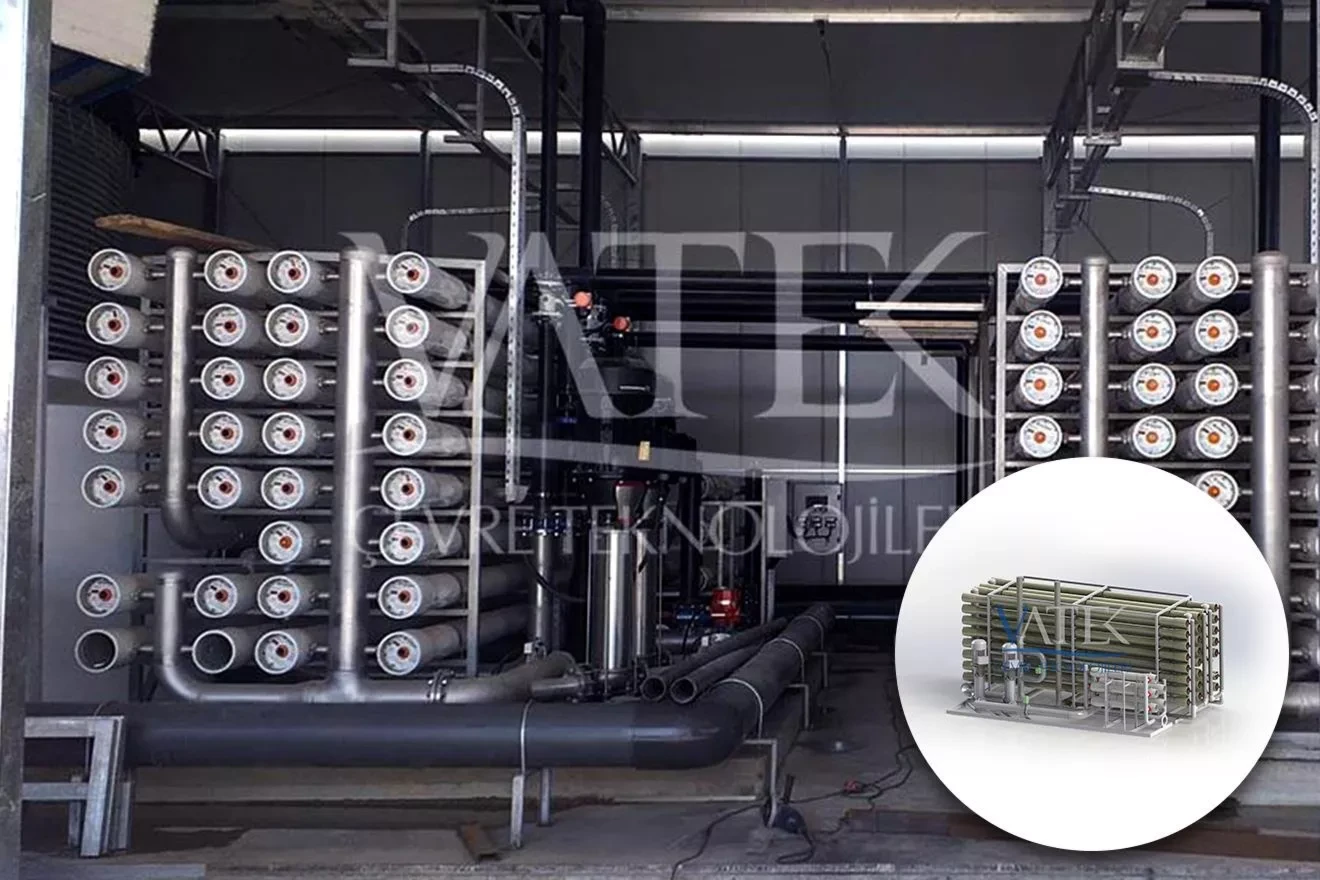
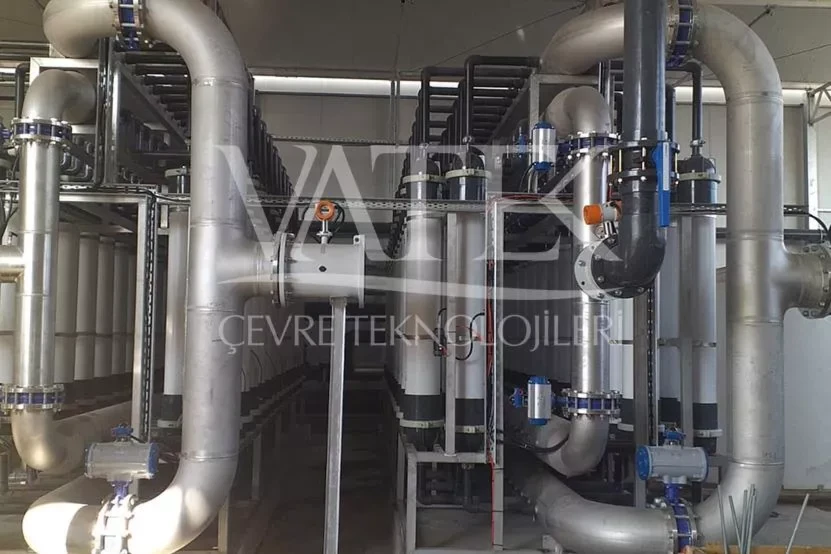
At Vatek Water Treatment Systems, our approach at this stage is not based on a “single device” concept; we first understand the water and then establish the correct process according to the need. This is because every water source (well water, mains water, surface water, etc.) and every cultivation model is different.
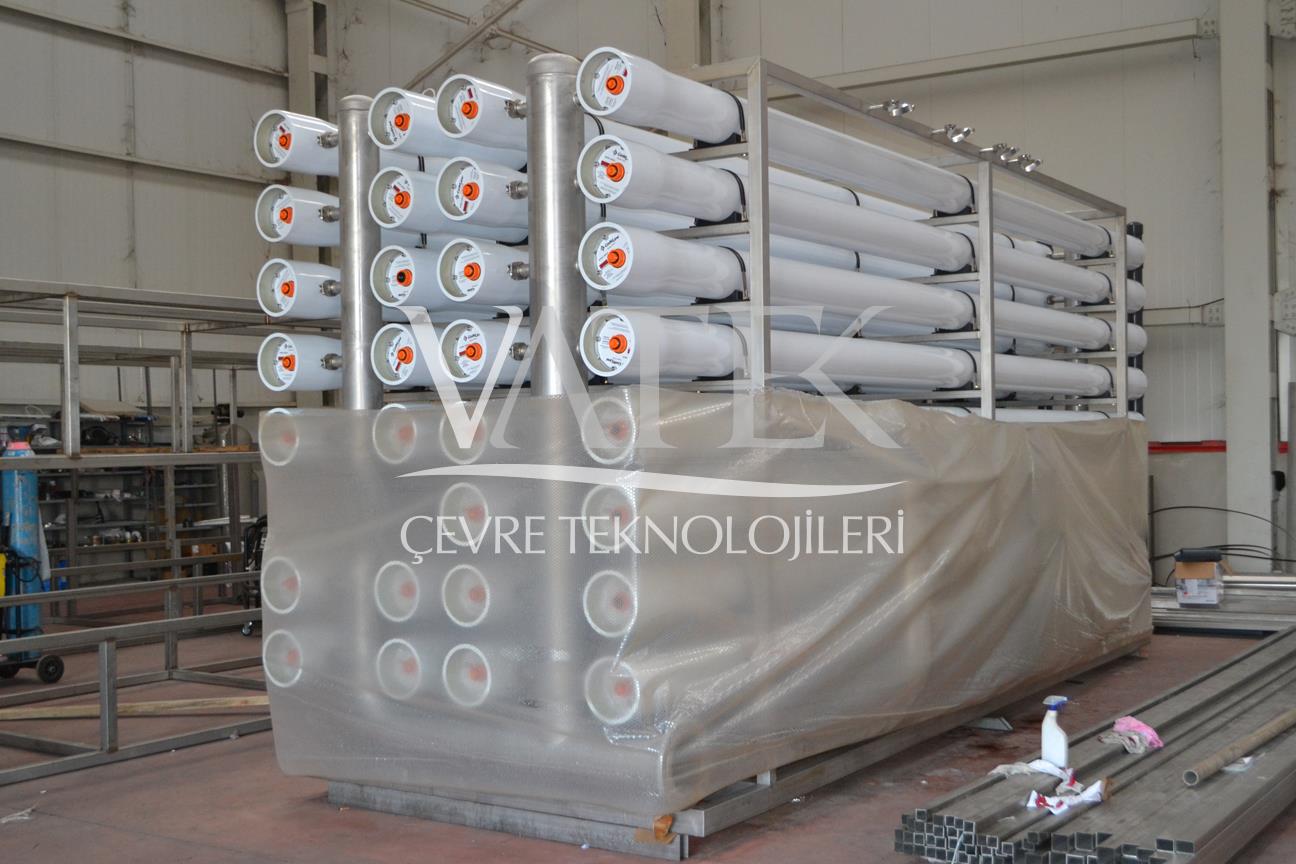
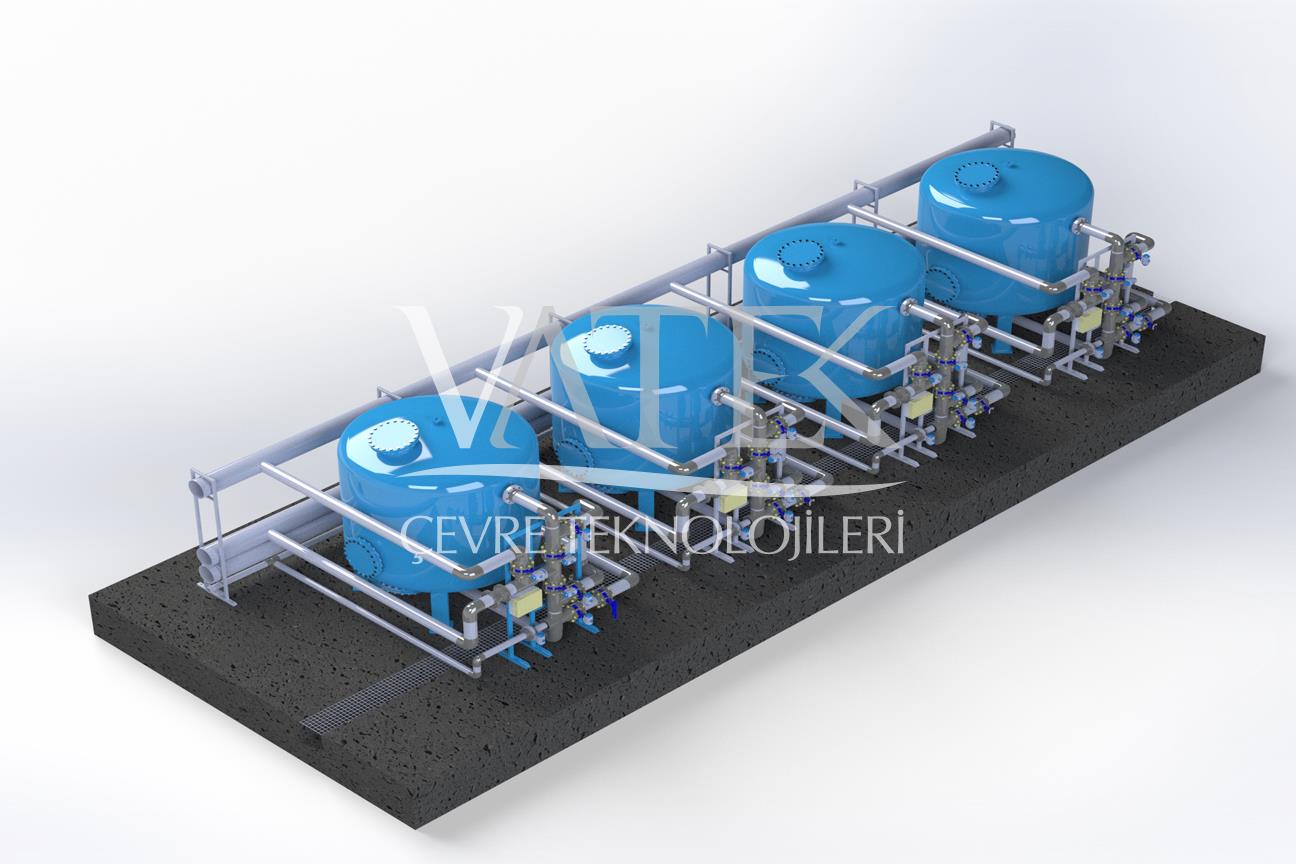
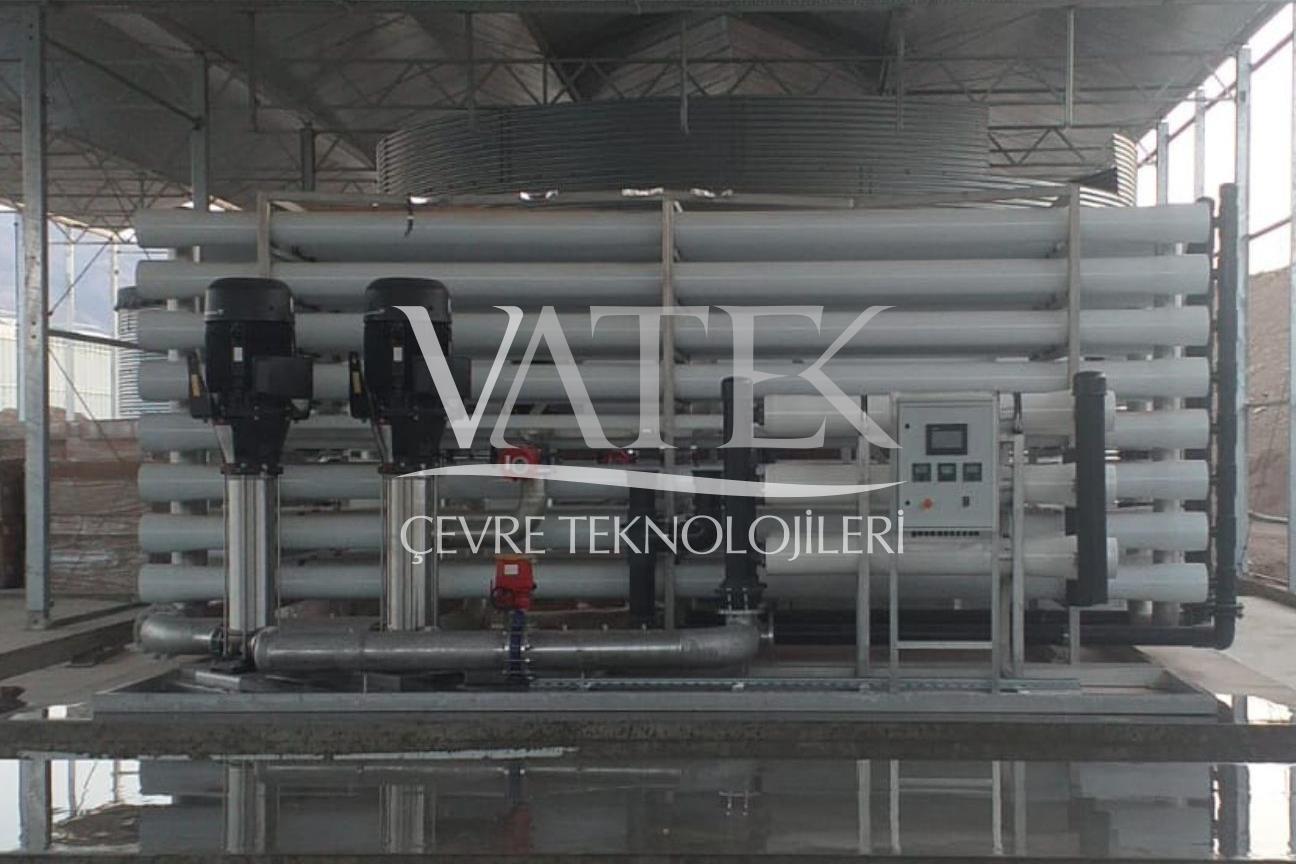
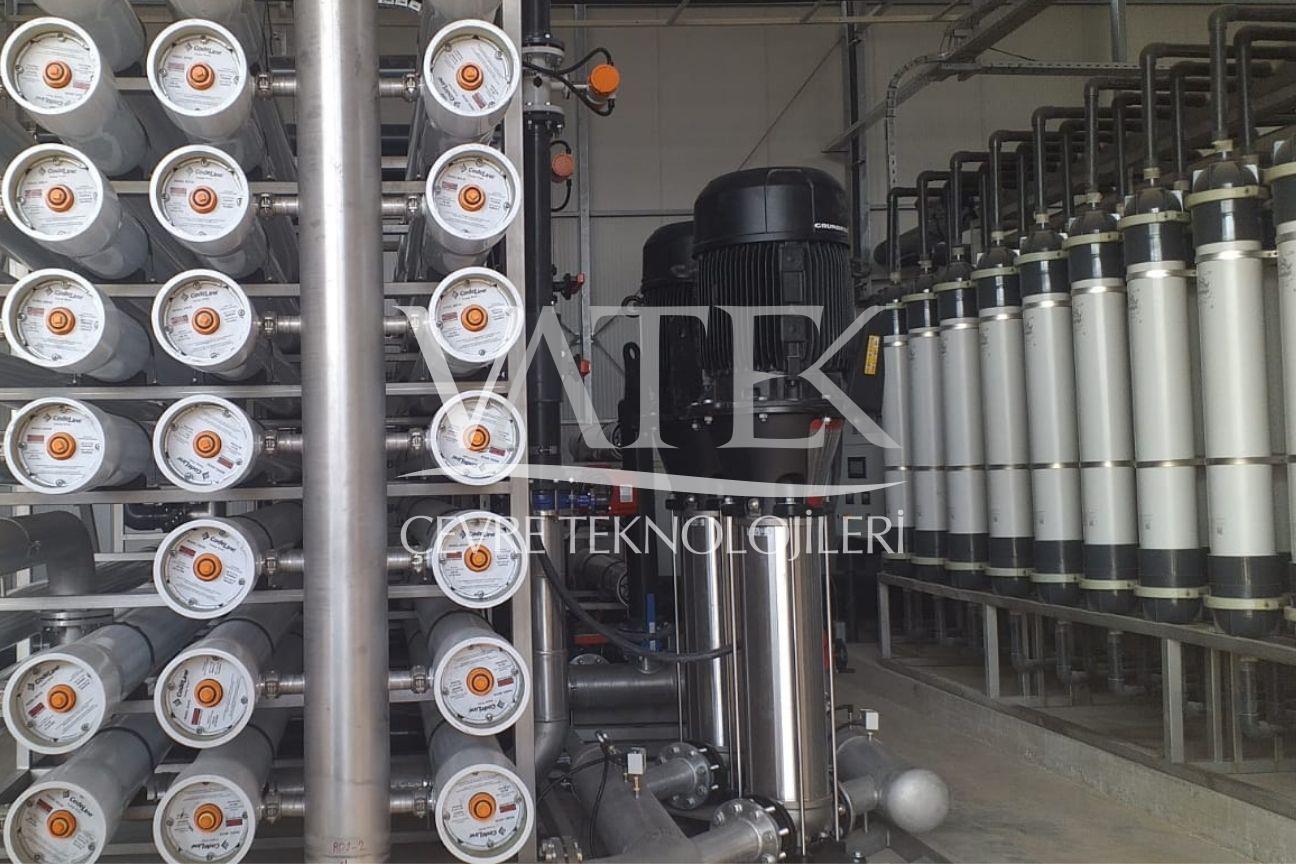
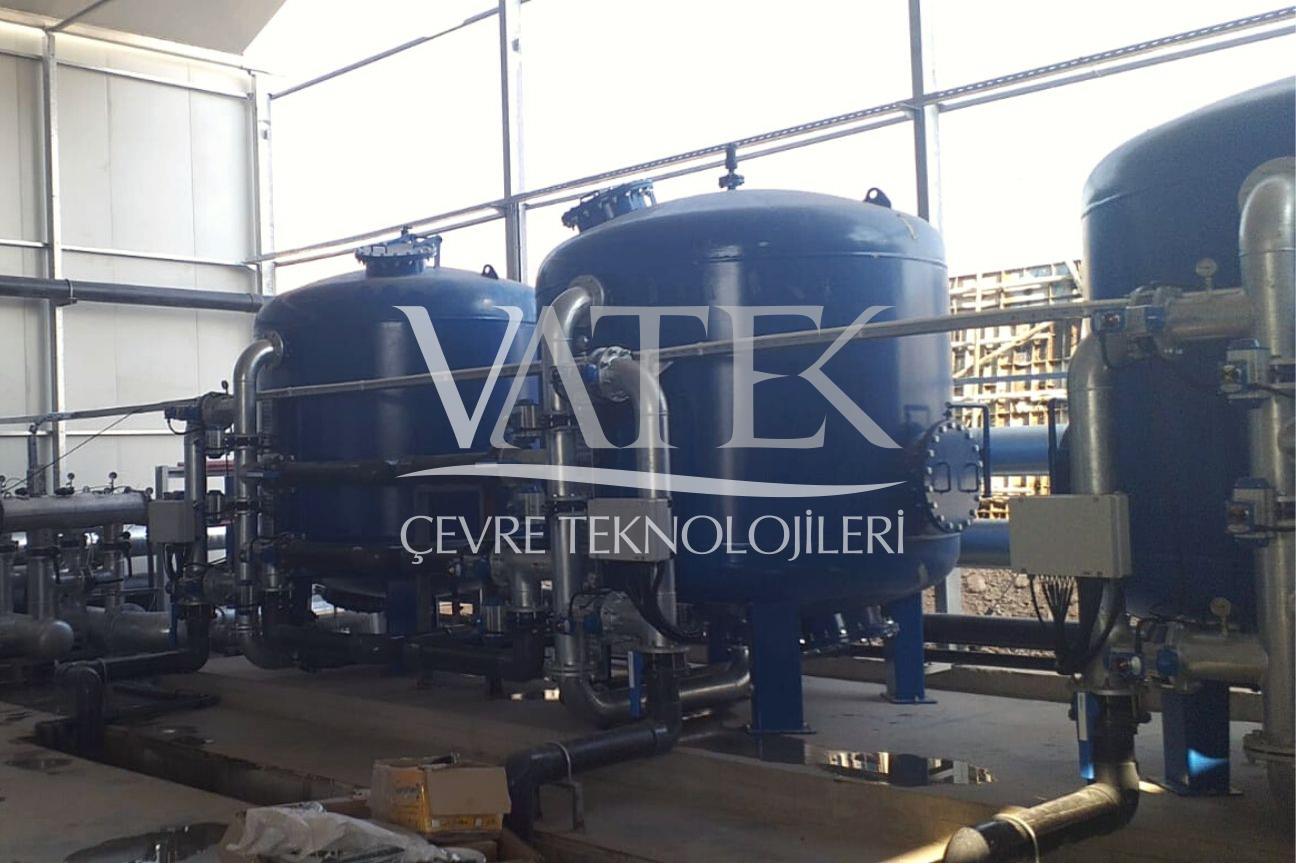
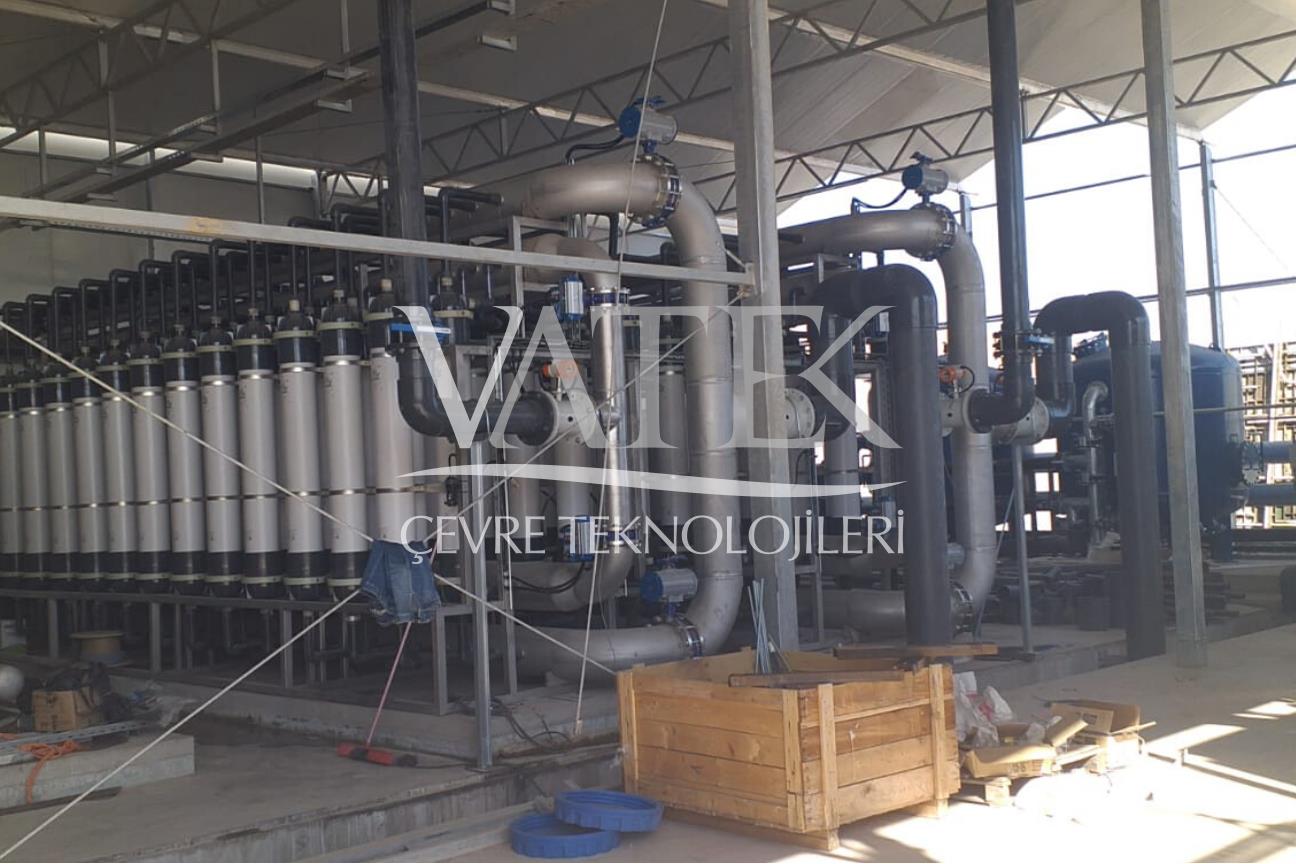
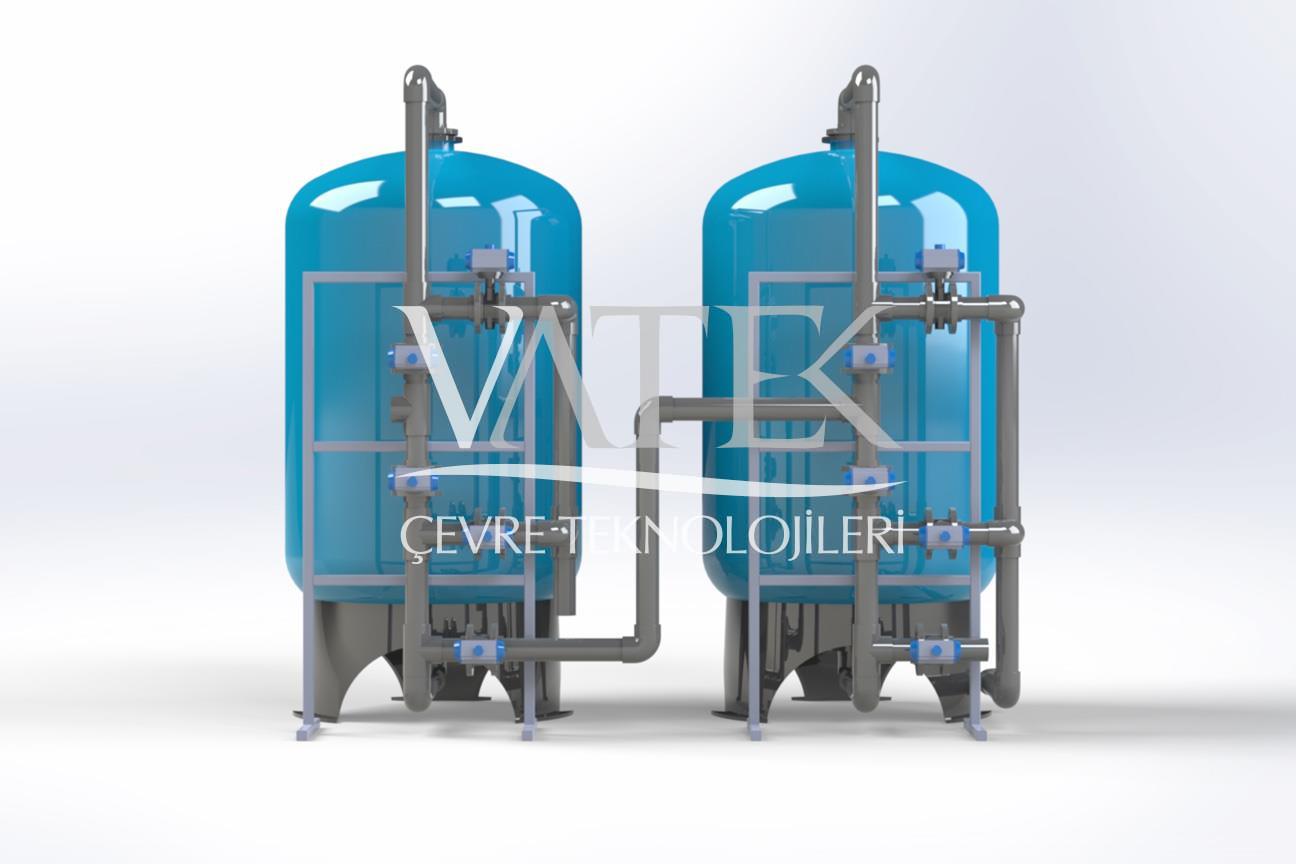
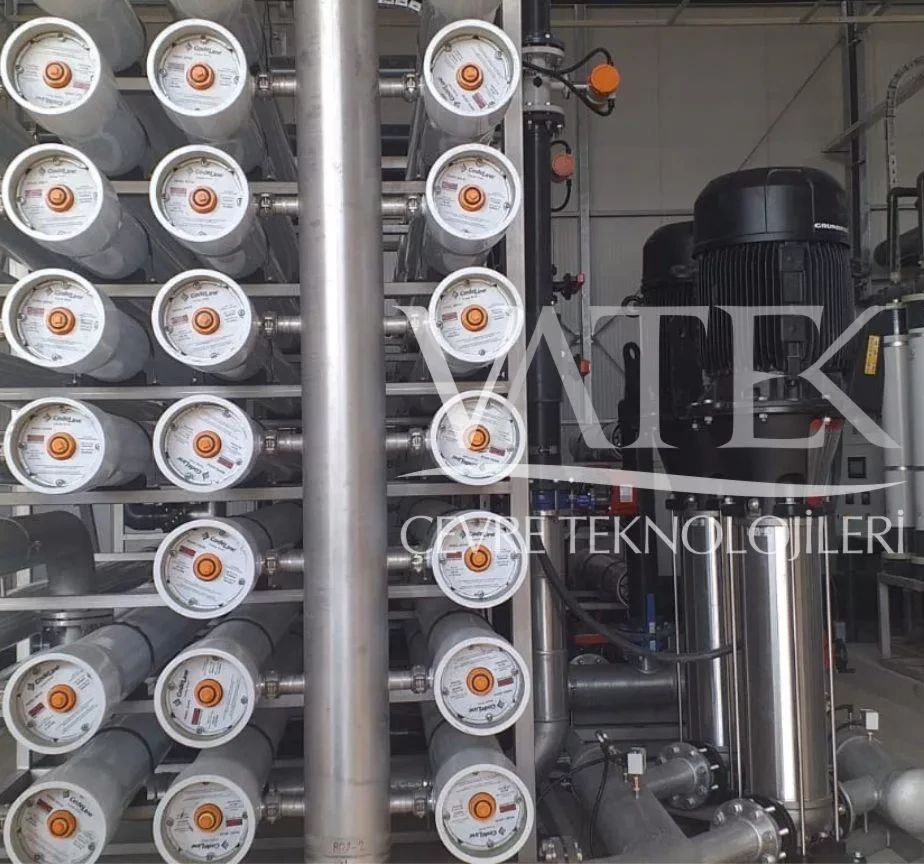
In general, the objectives of greenhouse water treatment are to manage the salt load, control the effects of pH/alkalinity, reduce unwanted ions, and minimize microbiological risks. Depending on the project, pretreatment, filtration, membrane processes (e.g., reverse osmosis), and disinfection stages are considered together. During commissioning, it is critical to establish an automation/monitoring setup that is compatible with the facility’s daily operation; because no matter how well the system is designed, its performance cannot be sustainable if it is not monitored.
We First Understand the WaterThen we establish the correct process according to the need.
- Yield Increases in Greenhouse Applications
Water for Soilless Greenhouses
The following outcomes are targeted through proper design and operation. (They should not be viewed as “guaranteed results,” but as benefits that may vary depending on the water source and greenhouse design.)
Yield increases by 70%.
When suitable water conditions are provided, significant increases in yield may be observed; the rate of increase varies according to the initial water quality and cultivation system.
Controlled growth is achieved.
As the pH EC balance remains more stable, the plant responds more predictably.
Risks from microbes, bacteria, and parasites are eliminated.
In practice, the aim is to significantly reduce the risk; the disinfection stage and hygiene management are addressed together.
Water savings are achieved.
Water management becomes more controlled in systems that use reuse/recirculation.
Multi-tier systems increase production volume.
When water quality remains stable, multitier/intensive production systems operate more sustainably.
The produce is tasty and healthy.
When nutrient uptake is balanced, quality parameters become more consistent.
The need for pesticides and fertilizers is minimized.
Under the right conditions, the need for chemicals may decrease; however, pest management and the nutrition program should still be planned according to the greenhouse.
- Project Design Backed by Years of Experience
Project Experience (Field Experience)
As an indication of our industry experience, we have completed many UNDP projects to date. Success in such field projects is not only about installing the equipment, but also about commissioning a system that is adapted to the site, can operate continuously under variable raw water conditions, and is easy to operate.
Based on our field experience, we can say that:
- Flexible design that adapts to variable raw water conditions,
- Simple and operator-friendly solutions,
- Site-specific automation and process settings are critical for long-term system continuity and operation.
Frequently Asked Questions
The main objective of Vatek river water treatment systems is to control the high particle load and microbiological risks in river water and achieve drinking water or utility water quality according to the need. At the heart of this approach are our special type chemical treatment unit and the filtration/disinfection stages selected according to the project.
CALL NOW
Is reverse osmosis (RO) necessary for every greenhouse?
It would not be correct to say that it is always necessary. For some sources, suitable filtration and alkalinity/hardness management are sufficient; for other water sources, stable production becomes difficult without RO. The best approach is to decide based on a water analysis.
Are “alkalinity” and “pH” the same thing?
No. pH can be considered an instantaneous measurement, while alkalinity describes the water’s ability to “buffer” pH. If alkalinity is high, maintaining pH within the desired range may become difficult, and nutrient uptake may be affected.
Is it difficult to operate the treatment system after installation?
Operation does not have to be complicated in a well-designed system. The process can be managed through regular maintenance (filter replacement, membrane cleaning schedules, and disinfection checks) and simple monitoring (such as pH/EC). At Vatek Water Treatment Systems, we place importance on addressing commissioning and operating practices together with project design.