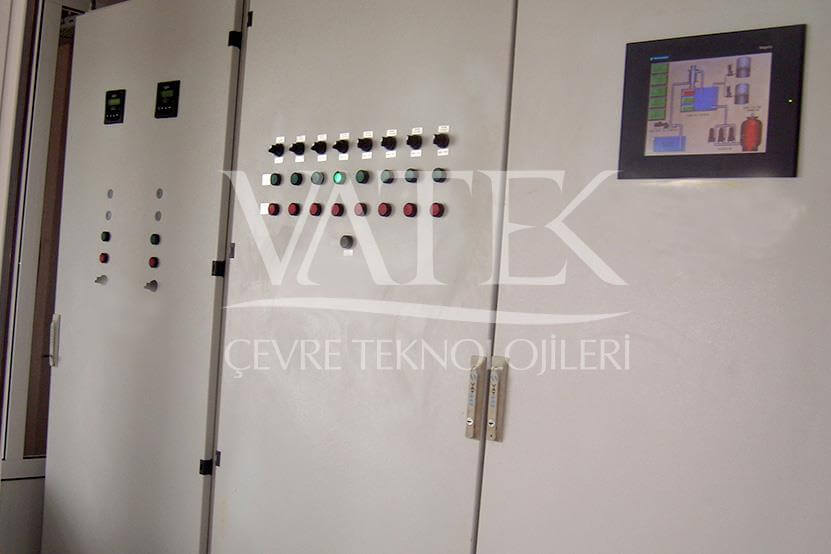
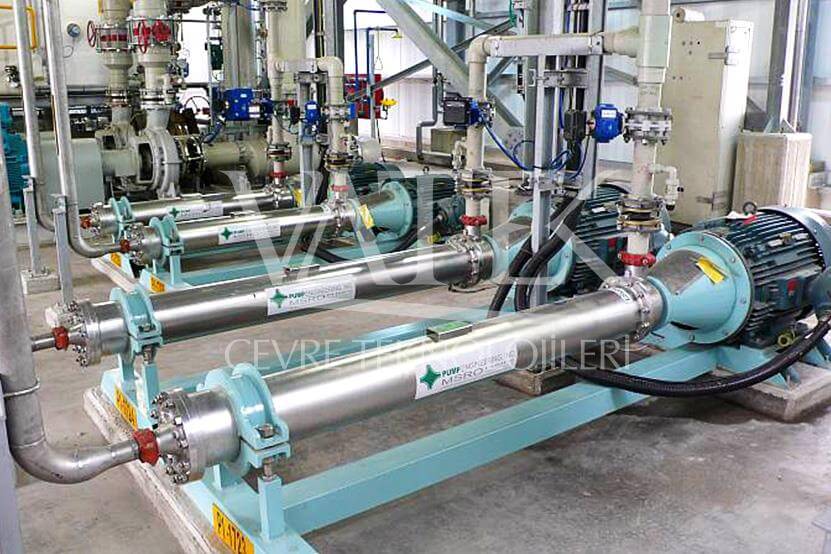
Sea Water Reverse Osmosis Systems
Because seawater and ocean water contain high salinity, dissolved minerals, and suspended solids such as sand, silt, and organic particles, they are not suitable for use directly as drinking water or as feedwater for many industrial processes . In simple terms, this water must first be brought to a usable raw water quality. This is exactly what seawater treatment systems do: they raise the quality of seawater or ocean water to meet drinking or utility water standards .
In recent years, climate change and the decline of existing freshwater resources have made the importance of these treatment systems more visible. As Vatek, an industrial water treatment company, while manufacturing and installing seawater treatment systems on site, we observe that the water resources essential to sustaining life are diminishing day by day, water supply is limited for businesses, and seawater treatment systems are vital for sustainable water supply in coastal regions. Therefore, especially in coastal areas with limited water resources, saltwater treatment systems offer a serious option for sustainable water supply.
Current Situation Analysis: Seawater has a high salinity profile, with approximately 40,000 mg/L TDS, 20,000 mg/L chloride, and a pH value between 7.8 and 8.3.
Insufficient freshwater resources, increasing salinization of groundwater, and rising water demand make it necessary to utilize such challenging water sources, turning seawater into an alternative and sustainable water supply option.
Our Technical Solution Implemented on Site
Under water-scarcity conditions in Saudi Arabia, the raw seawater had high salinity values of approximately 40,000 mg/L TDS, 20,000 mg/L chloride and pH 7.8–8.3 . In addition, sudden increases in turbidity and seasonal variations in biological load increased the fouling risk of SWRO membranes and operating costs. The objective was to achieve high salt removal while reducing energy consumption and ensuring long-term water security.
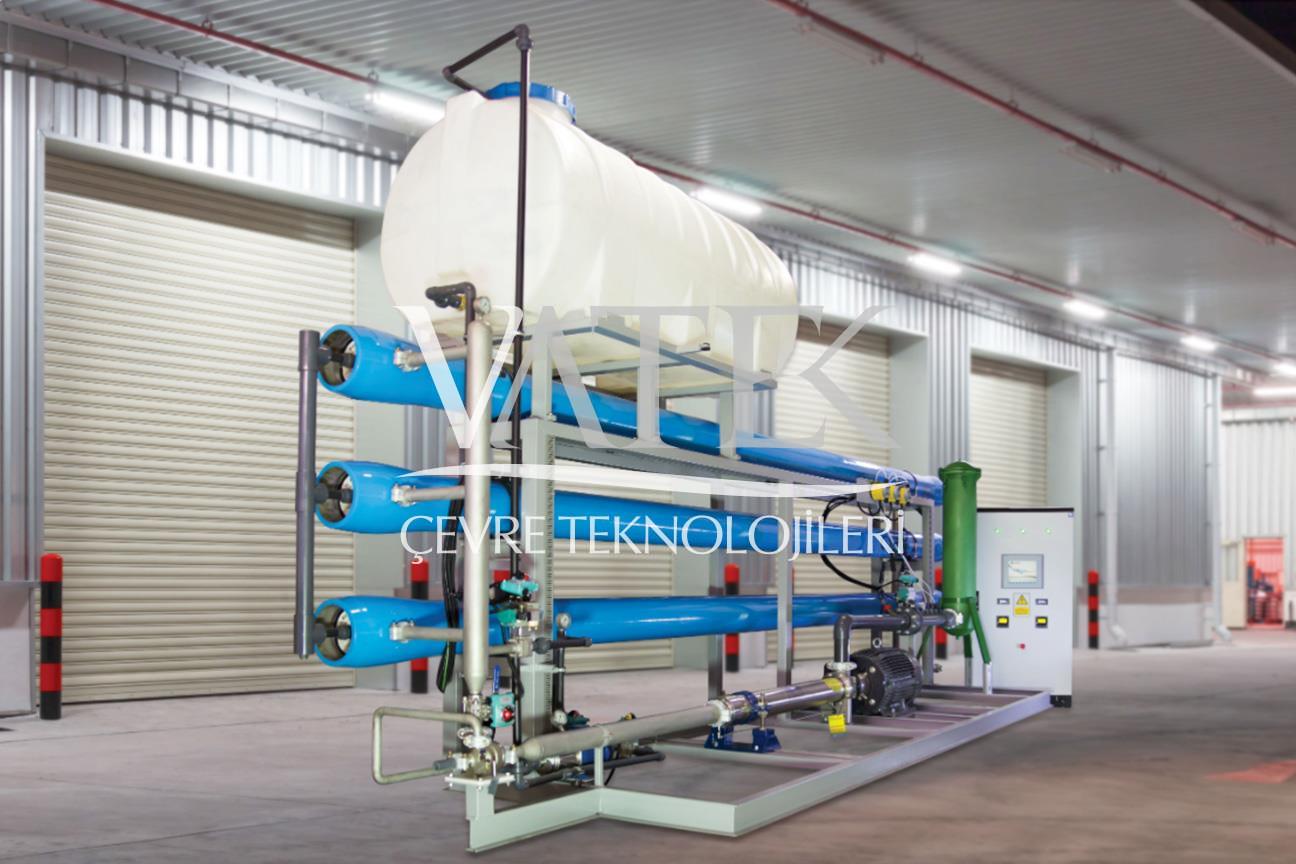
Solution: A project-specific design was implemented using multistage pretreatment, high-pressure-resistant SWRO membranes, and isobaric energy recovery , with hydraulic equipment suitable for 65 bar and flexible operating scenarios.
- ≥ 99.6% salt removal
- ≈ 3.0 kWh/m³ specific energy consumption
- 42% net water recovery
- 95% stable and uninterrupted operating performance
- Low chemical consumption and a low carbon footprint
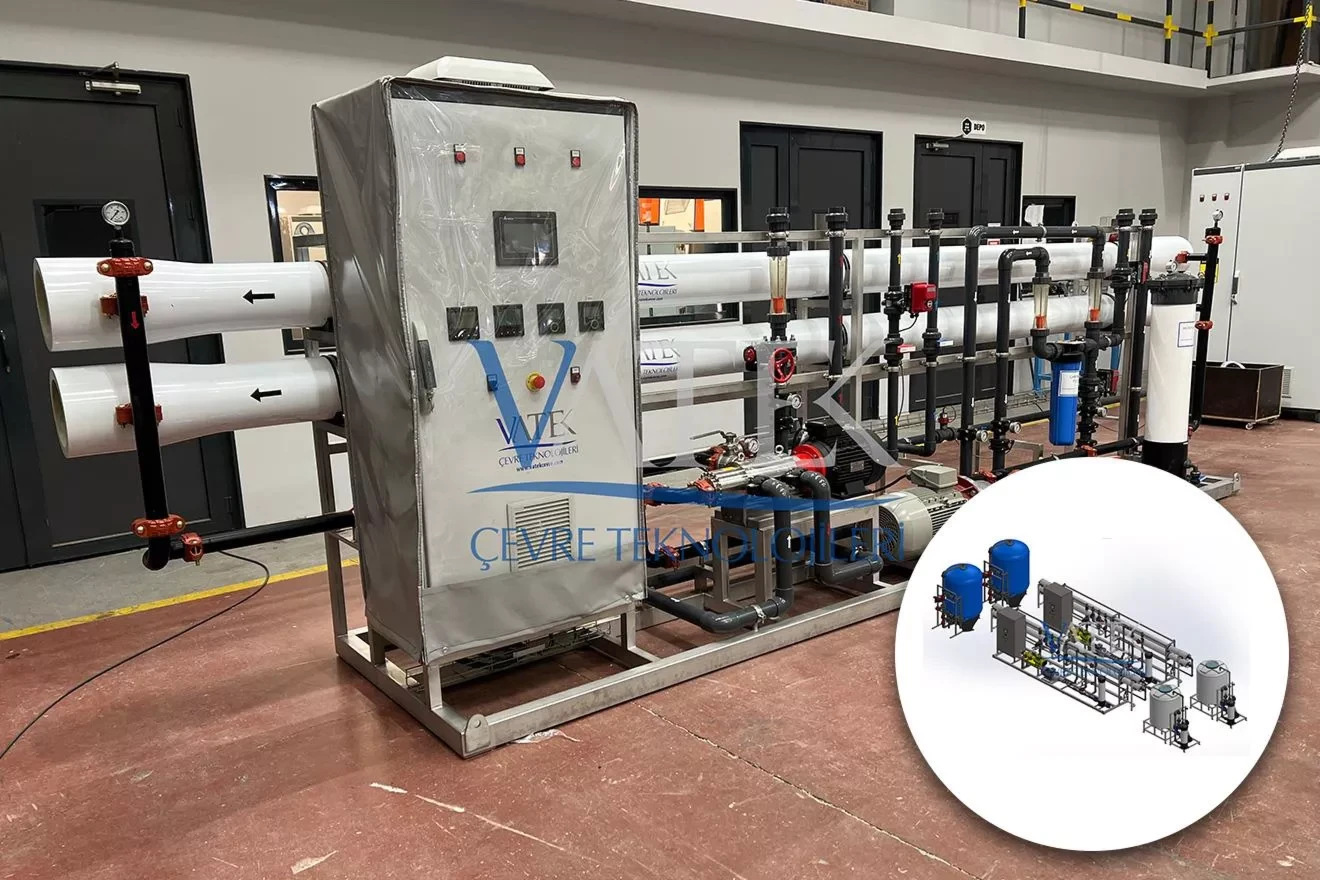
Seawater Treatment with Reverse Osmosis Technology
Reverse osmosis (RO) is one of the most widely used methods for seawater treatment. Put simply, RO forces water through a semipermeable membrane under pressure while retaining salts and most dissolved substances. Under the correct conditions, this technology provides an effective solution in the range of 95%–99% for seawater desalination.
However, there is a critical detail: using RO alone is often not sufficient. Pretreatment stages are essential for the long service life and stable operation of the RO system. Seawater may contain particles, organic matter, and, under certain conditions, biological loads that can clog membranes. The purpose of pretreatment is to protect the RO membranes and maintain sustainably high system efficiency.
When pretreatment is correctly designed, the RO system operates much more steadily and maintains its performance for a long time. In practice, the best results are generally achieved when pretreatment is selected according to raw water characteristics and the design considers operating conditions from the beginning. For this reason, pretreatment is not treated as an “additional step” alongside RO, but as an integral part of the system. The pretreatment details are determined according to raw-water quality, the intended use of the product water, and project conditions. In short, there is no single standard formula; the correct design is defined through accurate analysis.
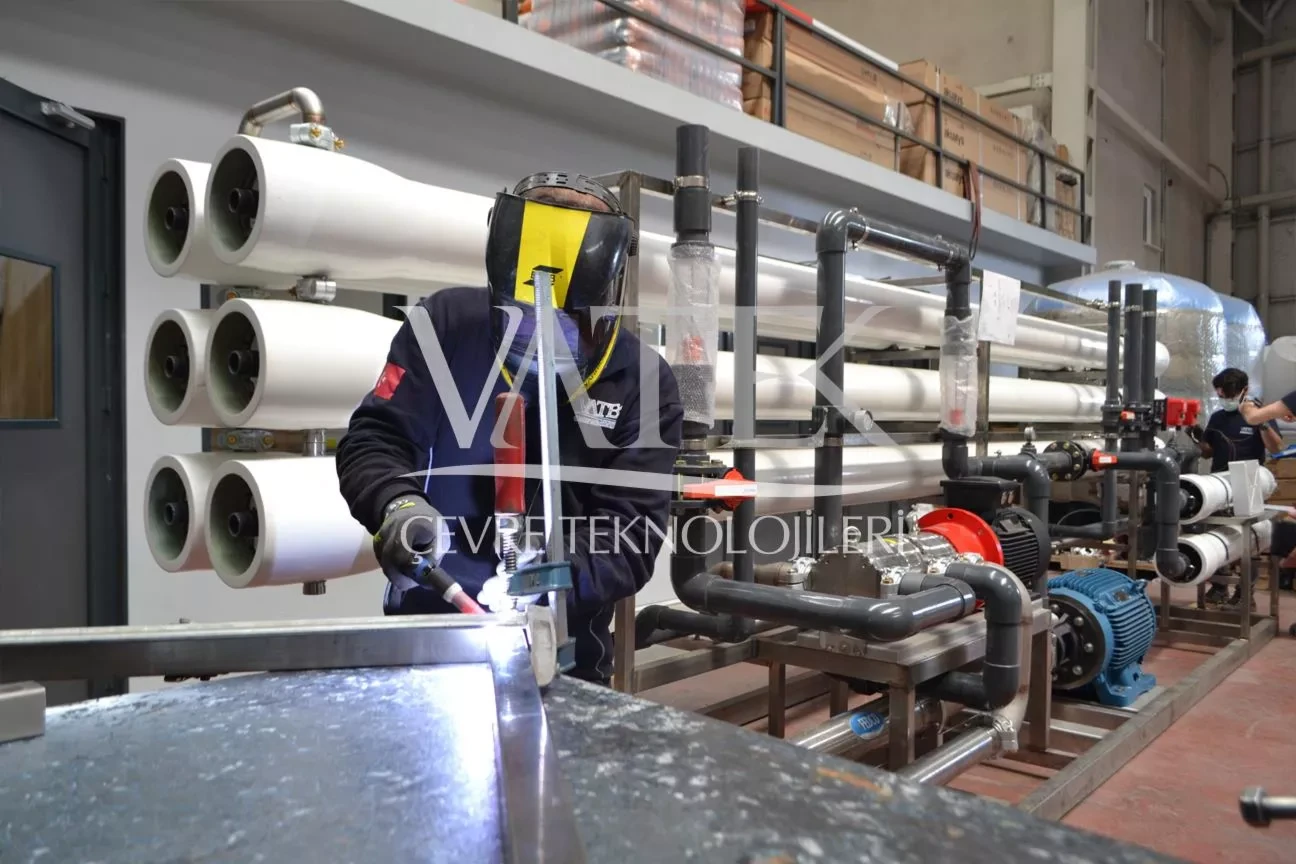
We Provide Long-Term Solutions
A Real Solution Implemented on Site
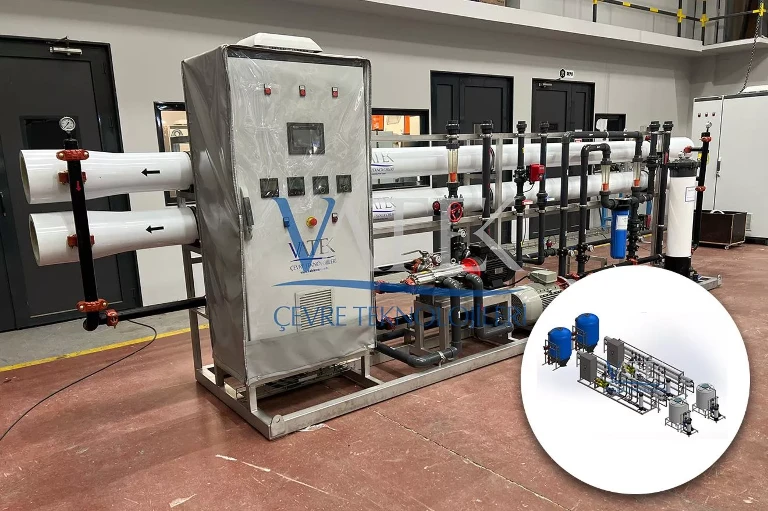
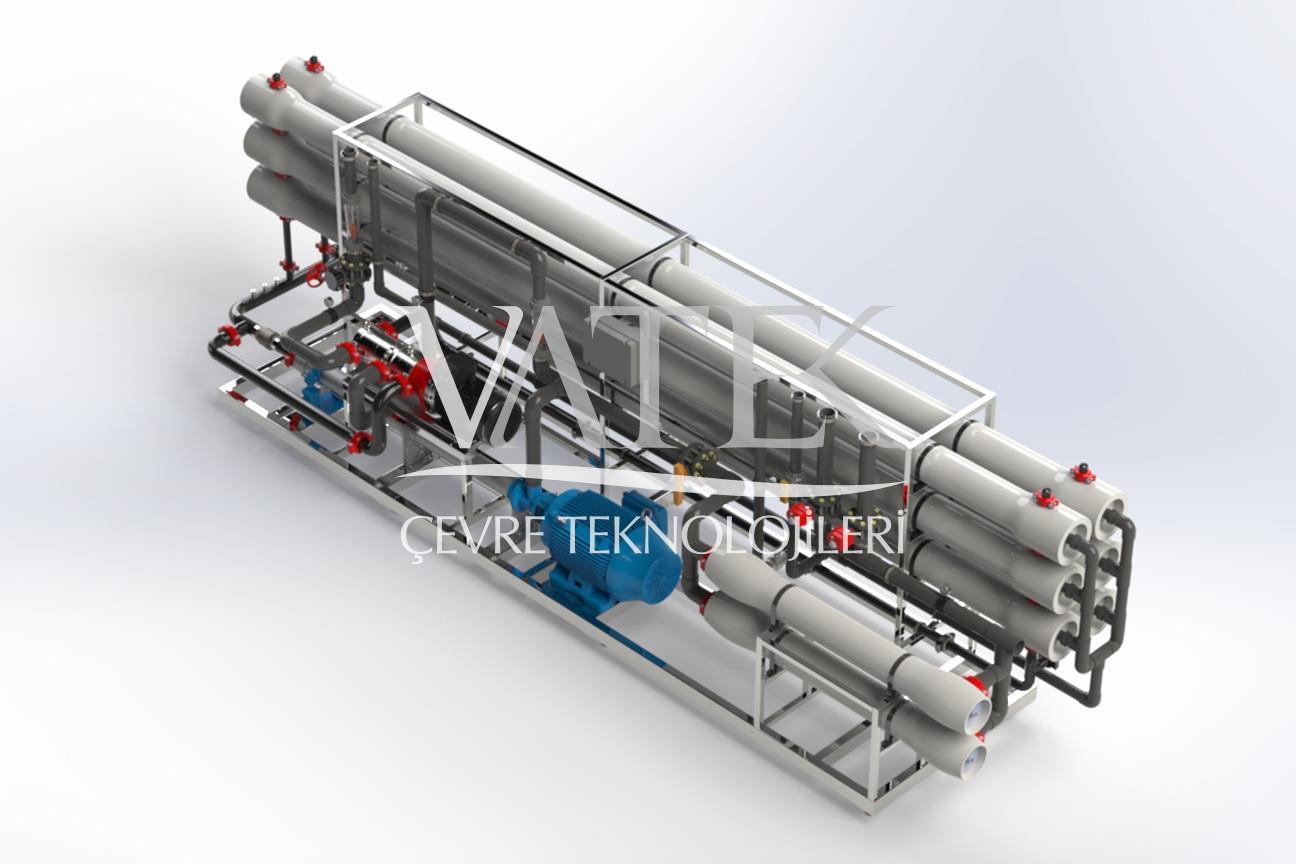
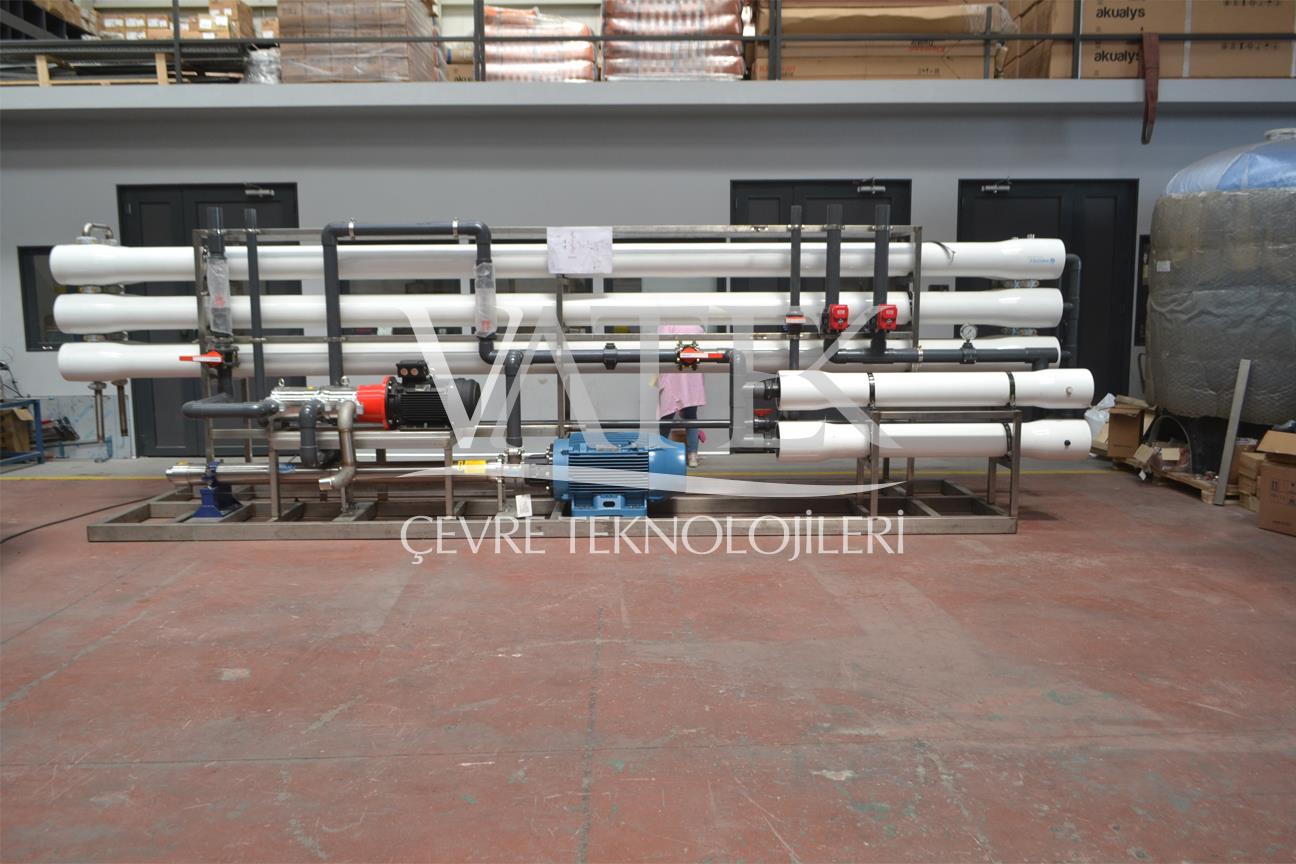
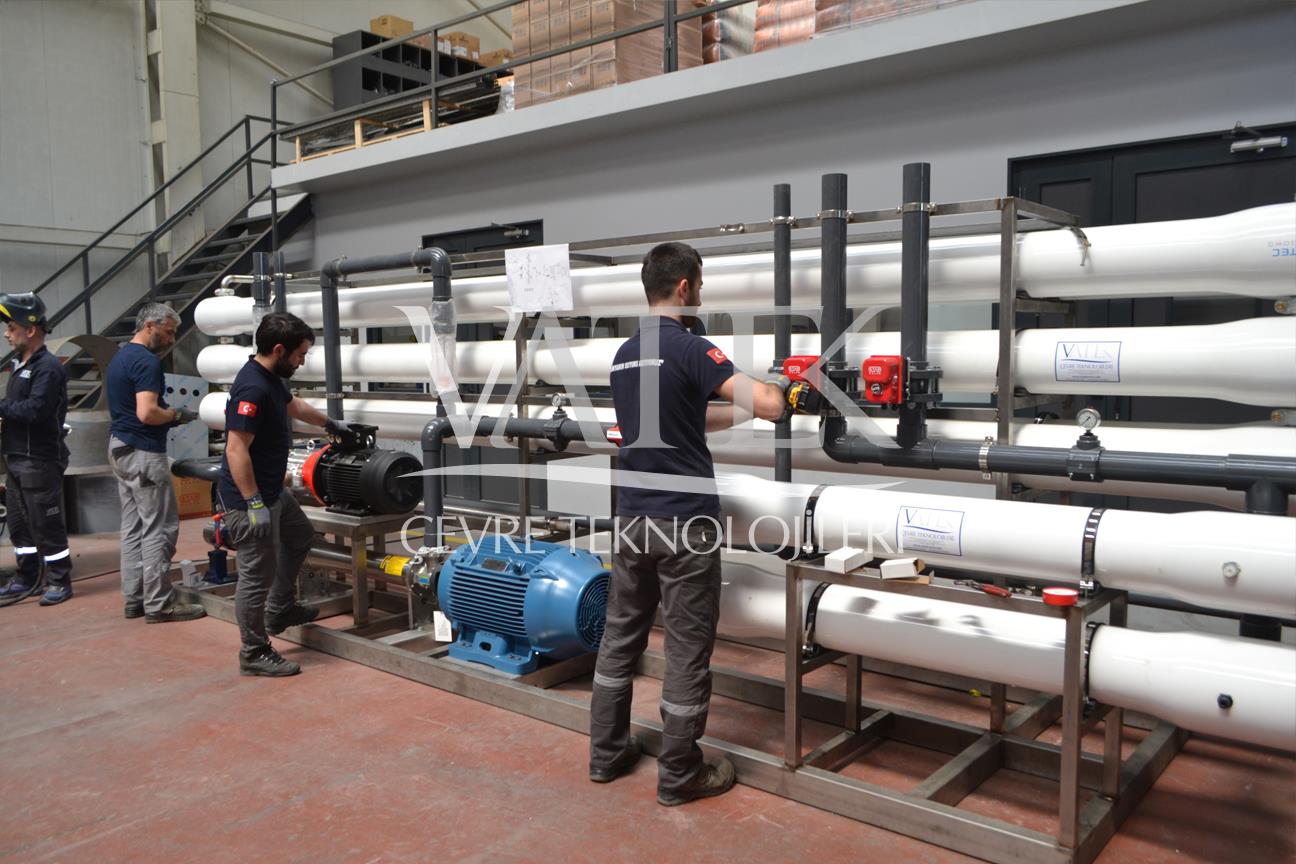
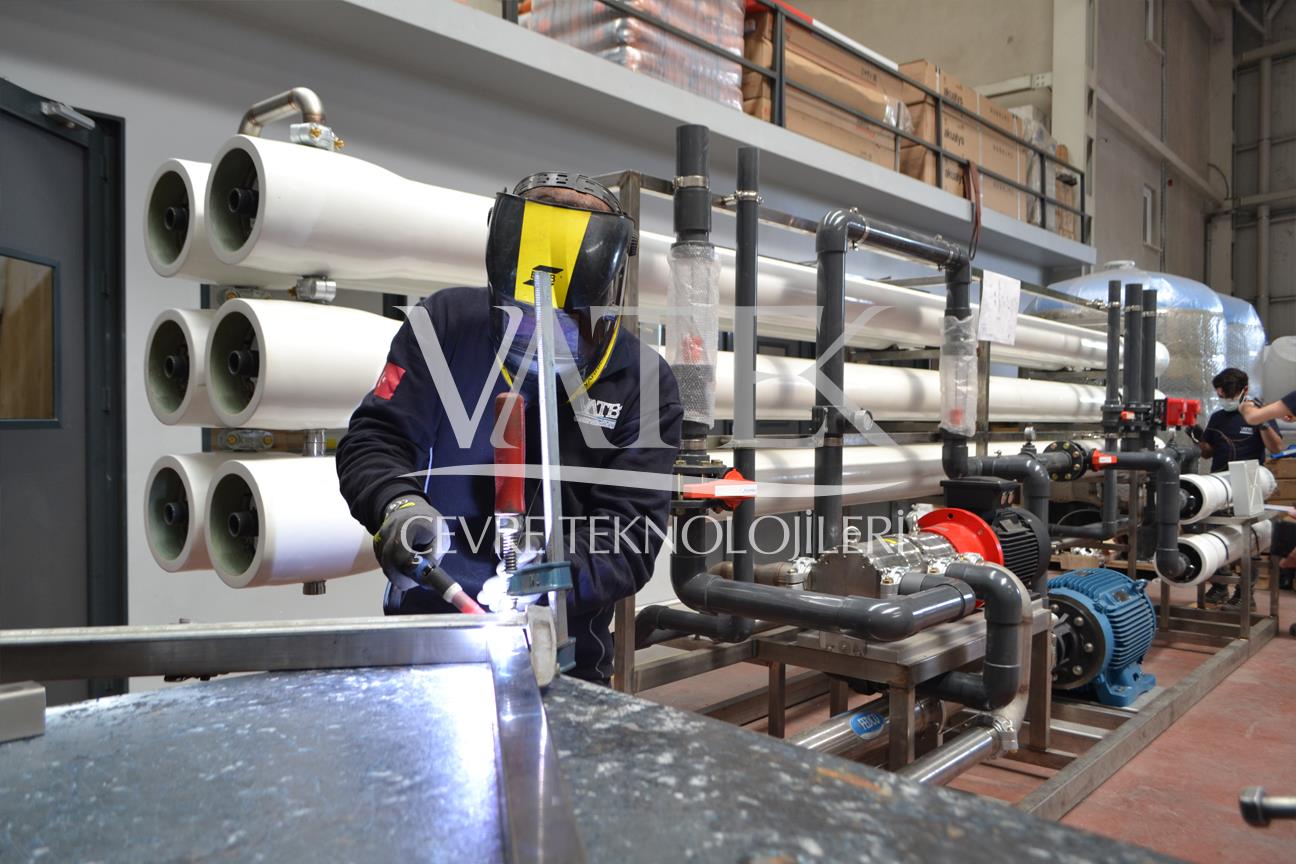
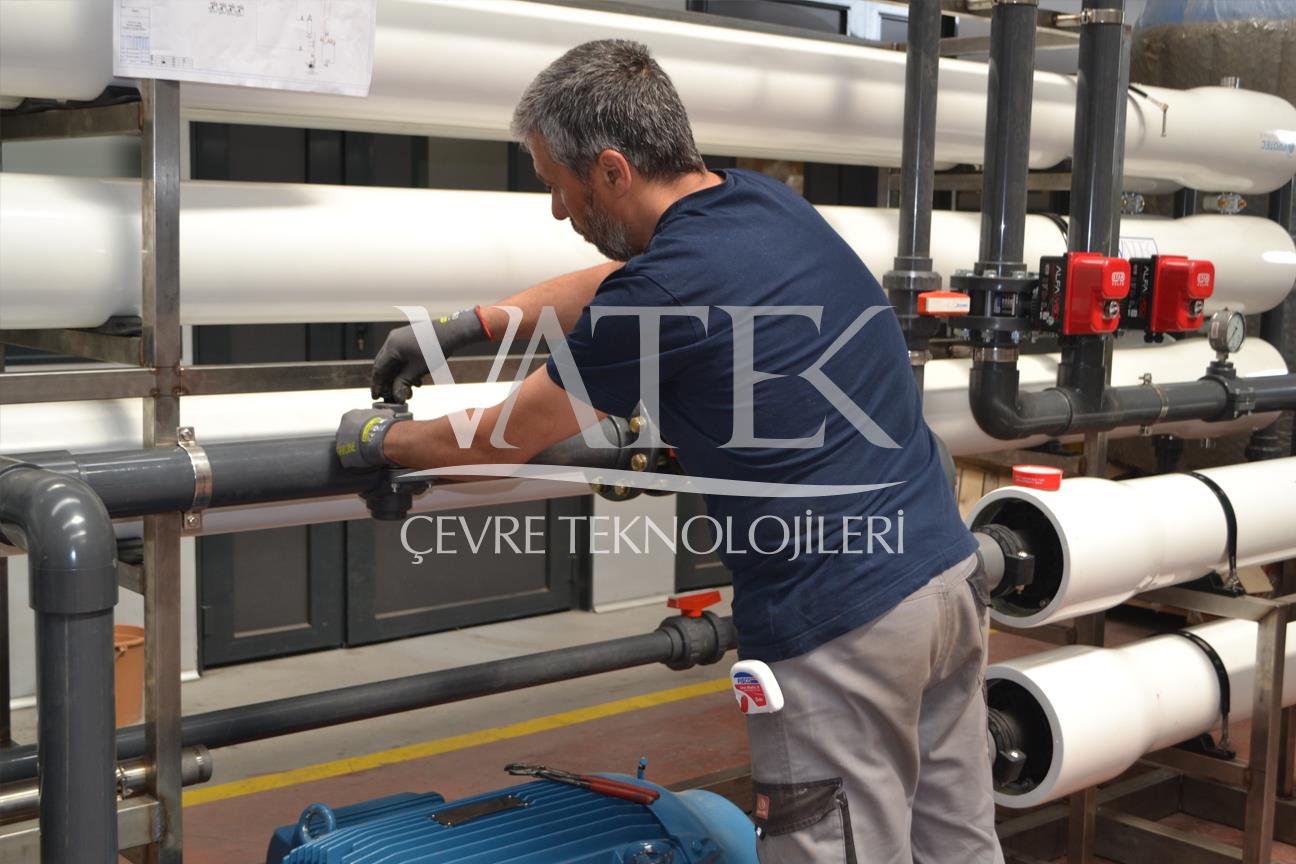
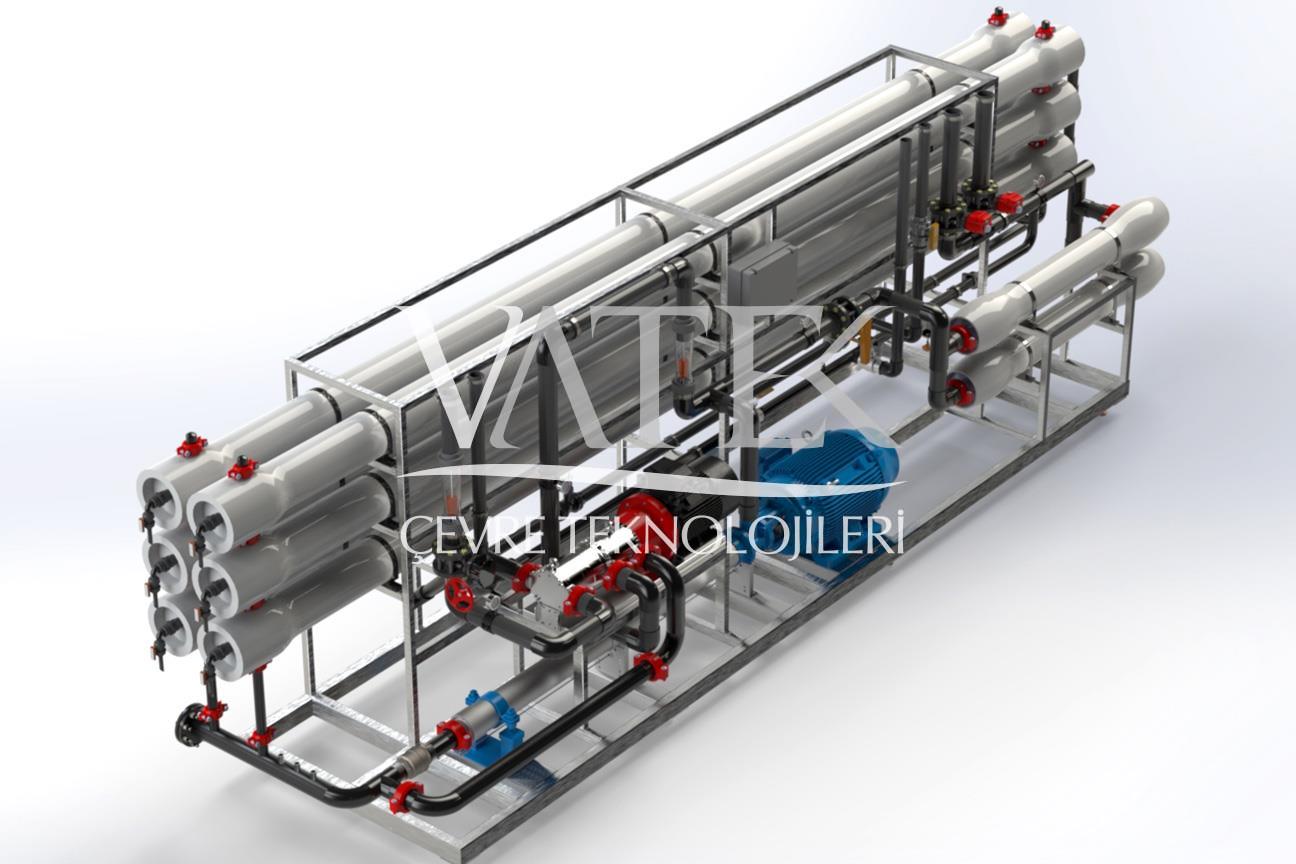
In Saudi Arabia, Vatek Environmental Technologies custom designed and commissioned a seawater reverse osmosis (SWRO) system with a capacity of 1,000 m³/day under high salinity and water scarcity conditions.
Considering the variable characteristics of the raw water on site, multistage pretreatment, high pressure resistant SWRO membranes, and an energy recovery system were integrated. This approach enabled the system to achieve stable, low energy, and sustainable long-term operation.
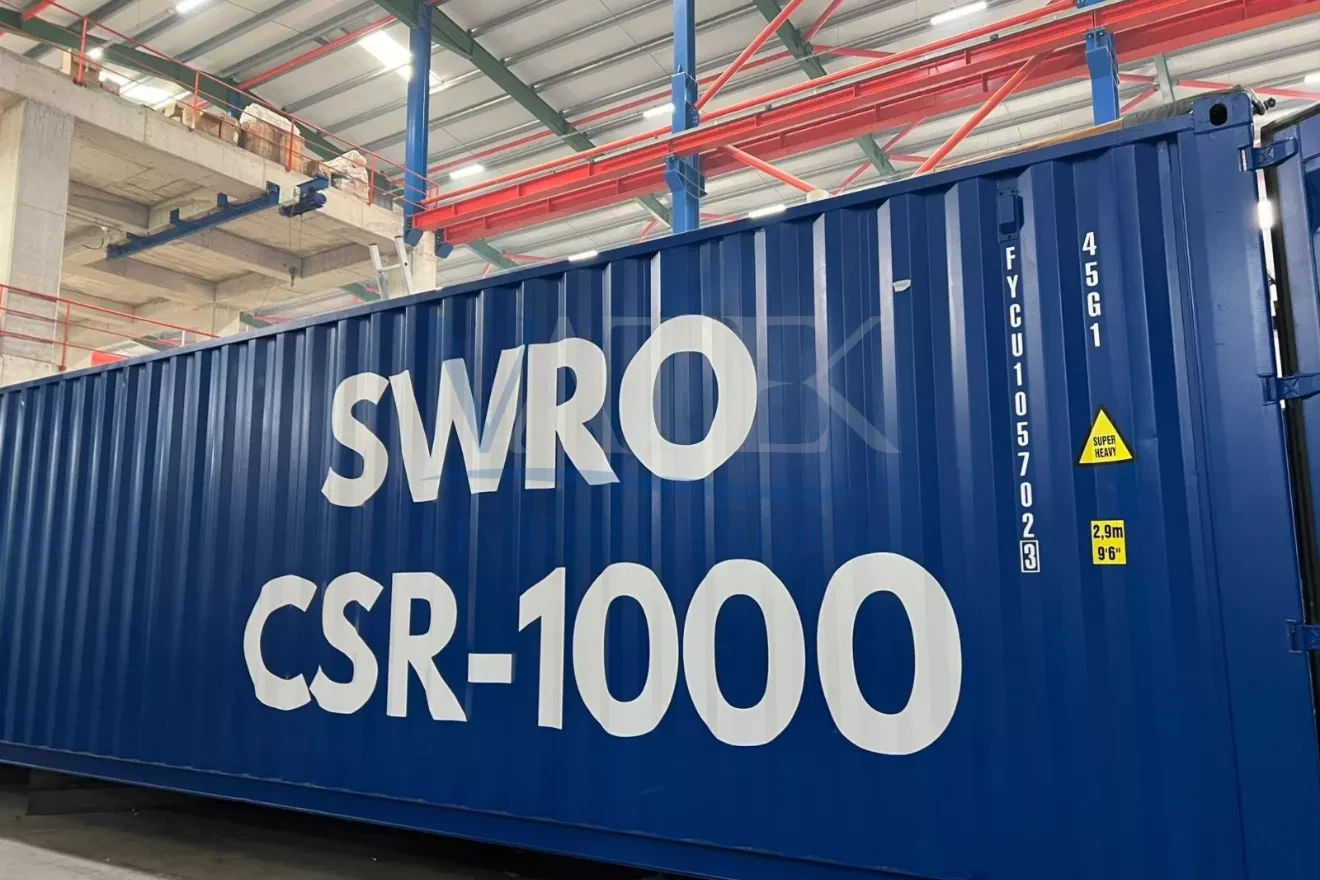
On-site results:
- ≥ 99.6% salt removal,
- 95% uninterrupted operation,
- 42% net water recovery and specific energy consumption of ≈ 3.0 kWh/m³.
This project clearly demonstrates the practical value of an engineering approach based on raw-water analysis and operating conditions instead of standard, one size fits all solutions for seawater treatment.
During the design process, flexible operating scenarios were developed by considering sudden regional increases in turbidity, seasonal variations in biological load, and conductivity fluctuations. The system was optimized with hydraulic equipment suitable for operating pressures of up to 65 bar and a skid base construction to provide mechanical strength, vibration control, and ease of maintenance.
Access to Drinking Water Worldwide: Key Data
Access to safe drinking water: According to WHO–UNICEF data, 2.1 billion people worldwide still lack access to safely managed drinking water; 106 million of them drink directly from untreated surface water sources such as rivers and lakes.
Health risk (contamination): According to WHO, at least 1.7 billion people used a drinking water source contaminated with feces in 2022; unsafe drinking water contributes to approximately 505,000 diarrheal deaths each year.
Global coverage (2015 → 2024): Between 2015 and 2024, 961 million people gained access to safely managed drinking water, and global coverage increased from 68% to 74%.
Water stress: WHO reports that more than 2 billion people lived in countries experiencing water stress in 2021. (World Health Organization)
Scale of water scarcity (UNICEF): According to UNICEF, 4 billion people experience “severe water scarcity” for at least one month every year; by 2040, approximately 1 in 4 children will live in areas of extremely high water stress.
REFERENCES
WHO – Drinking-water (Fact sheet, 13 Sep 2023)
WHO & UNICEF (JMP) – 1 in 4 people globally still lack access to safe drinking water (26 Aug 2025)
UNICEF DATA (JMP) – Access to drinking water / Summary of the JMP 2025 report (Aug 2025)
UNICEF – Water scarcity
Contact Us for Project Engineering
Every seawater treatment project must be evaluated together with the water characteristics of its location, the intended use, and operating conditions. Therefore, during the project engineering process, it is important to interpret the raw water analysis correctly, clarify the requirements, and structure technical decisions properly from the outset. At this stage, rather than offering standard solutions, we proceed with an engineering approach based on data and on site realities. Contact us to evaluate your project together and establish the framework of the correct design from the beginning.
Sustainability
When seawater treatment systems are designed correctly, they can go beyond being a short term solution and provide a reliable, balanced water source for many years. This is exactly where the sustainability approach comes into play: meeting today’s needs without increasing pressure on future water resources.
Pretreatment suited to raw water characteristics, correct equipment selection, and a design configured according to operating conditions ensure both controlled energy consumption and a long service life for system components. This reduces environmental impacts while making operational processes more predictable and manageable.

Frequently Asked Questions
Seawater treatment systems bring saltwater to drinking and utility water quality, offering a sustainable solution in regions where freshwater resources are insufficient. Designed with reverse osmosis and appropriate pretreatment, these systems provide a reliable, environmentally friendly, and long term water supply.
CALL NOW