Textile Wastewater Recyling System
Textile wastewater recycling systems directly address the wastewater problem generated by the textile industry and are critically important in terms of both environmental impact and operating costs. Particularly in regions where water is expensive and difficult to access, a properly designed recycling line makes it possible to reuse the same water multiple times. This significantly reduces both environmental impact and businesses’ water consumption and waste disposal costs.
We frequently observe the following in the field: declining groundwater resources and legal restrictions on drilling new wells are directing businesses toward alternative water sources. At the same time, the need for water treatment and recovery solutions continues to increase, making water treatment solutions essential for businesses. As a result, the use of water treatment and recovery systems is no longer a choice but a requirement for operational sustainability.
Another problem we observe in the field is that even when a water source is available and processes are operating, serious problems may arise in both production and compliance with environmental regulations if the correct engineering approach is not applied to wastewater. However, a properly designed textile wastewater recovery system can improve the efficiency of the existing line and provide long-term relief for the business.
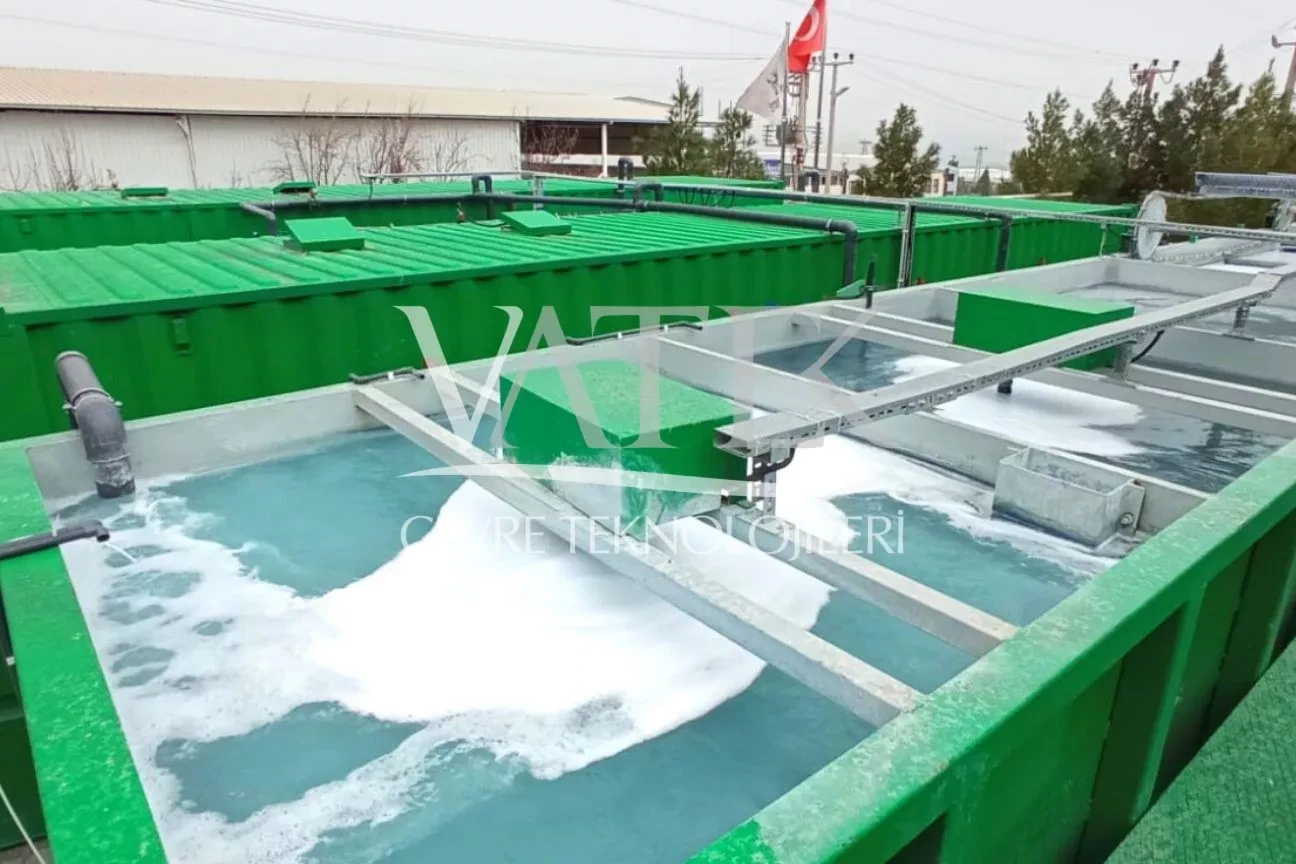
- Wastewater Recovery in the Textile Industry
How Is Wastewater Reused?
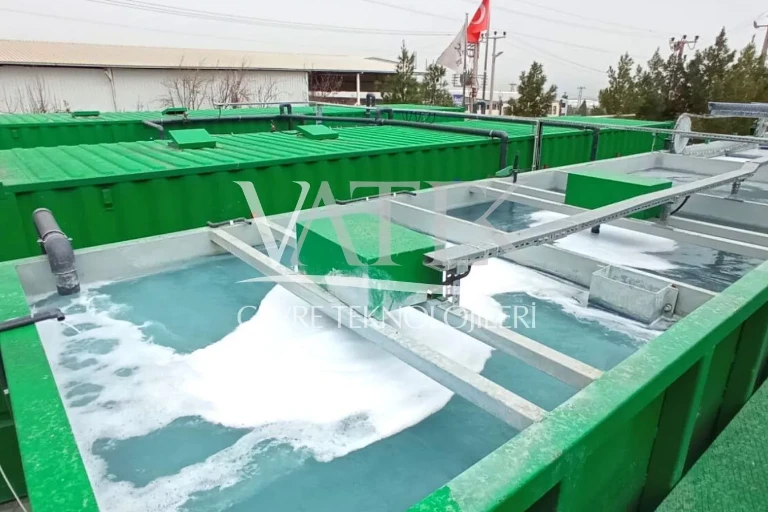
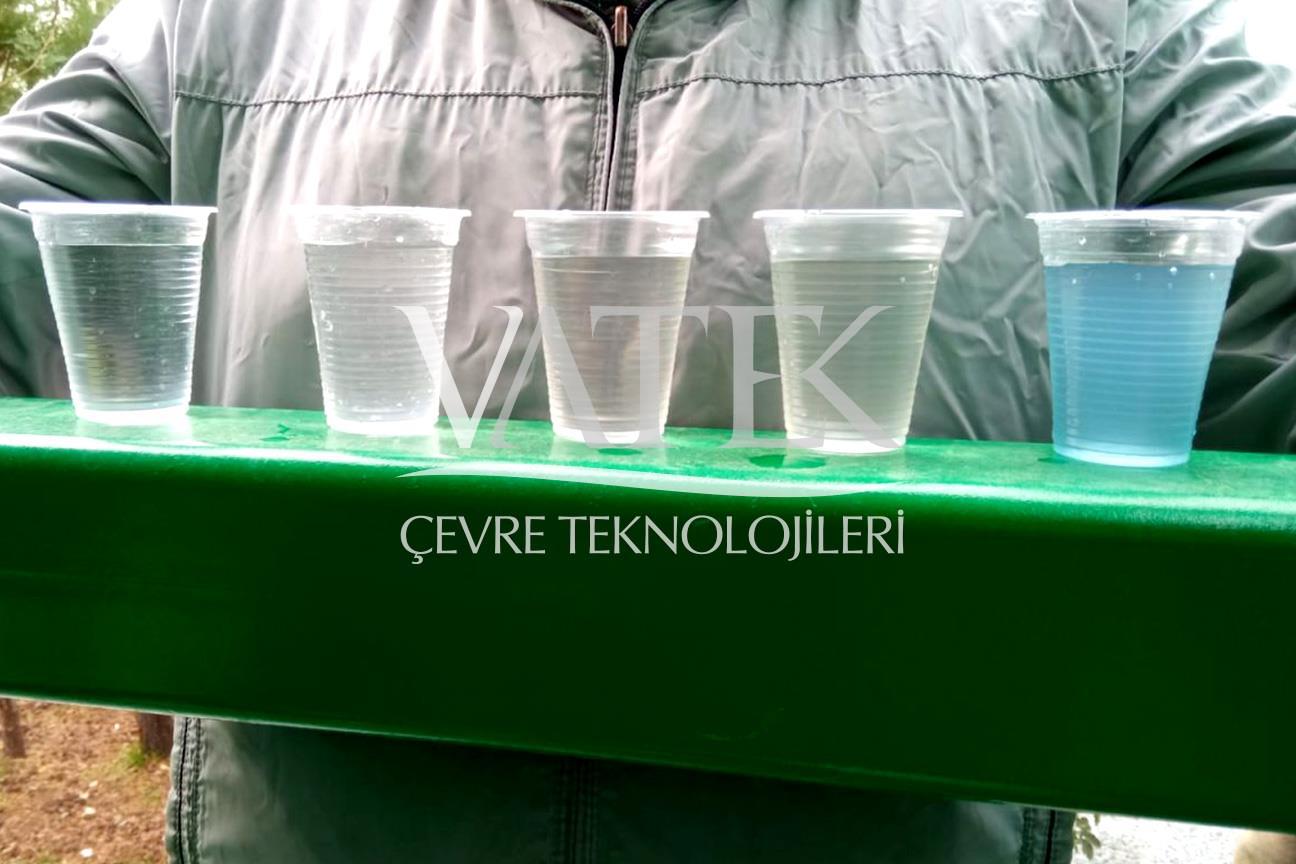
As Vatek Environmental, a company that manufactures and commissions recovery systems in the field, our textile wastewater recycling systems remove contaminants from water through suitable process stages. They make wastewater reusable or reduce its contaminant levels to a point at which it can be safely discharged without harming the environment.
Although the processes used vary depending on the project, they generally include a combination of the following stages:
- Physical treatment such as screening, preliminary sedimentation, and filtration
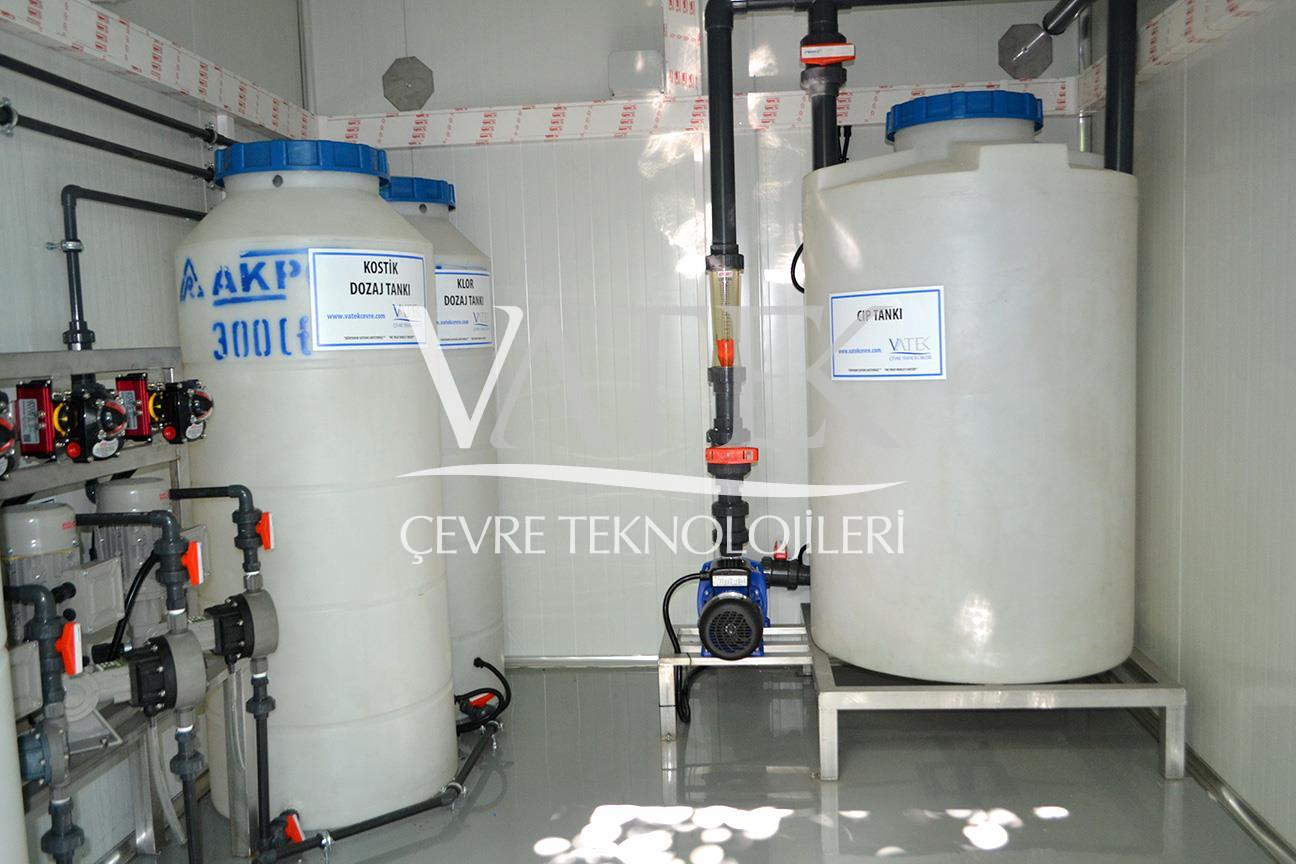
- Chemical treatment such as coagulation, flocculation, pH adjustment, and color removal
- Biological treatment involving the removal of organic loads by microorganisms
At facilities with high recovery targets, advanced treatment and membrane technologies such as ultrafiltration, nanofiltration, and reverse osmosis may also be implemented.
At Vatek Water Treatment Systems, we evaluate each facility’s processes, chemical consumption practices, and local discharge conditions together during the project design stage. We then ensure stable system operation during commissioning and the subsequent operating period.
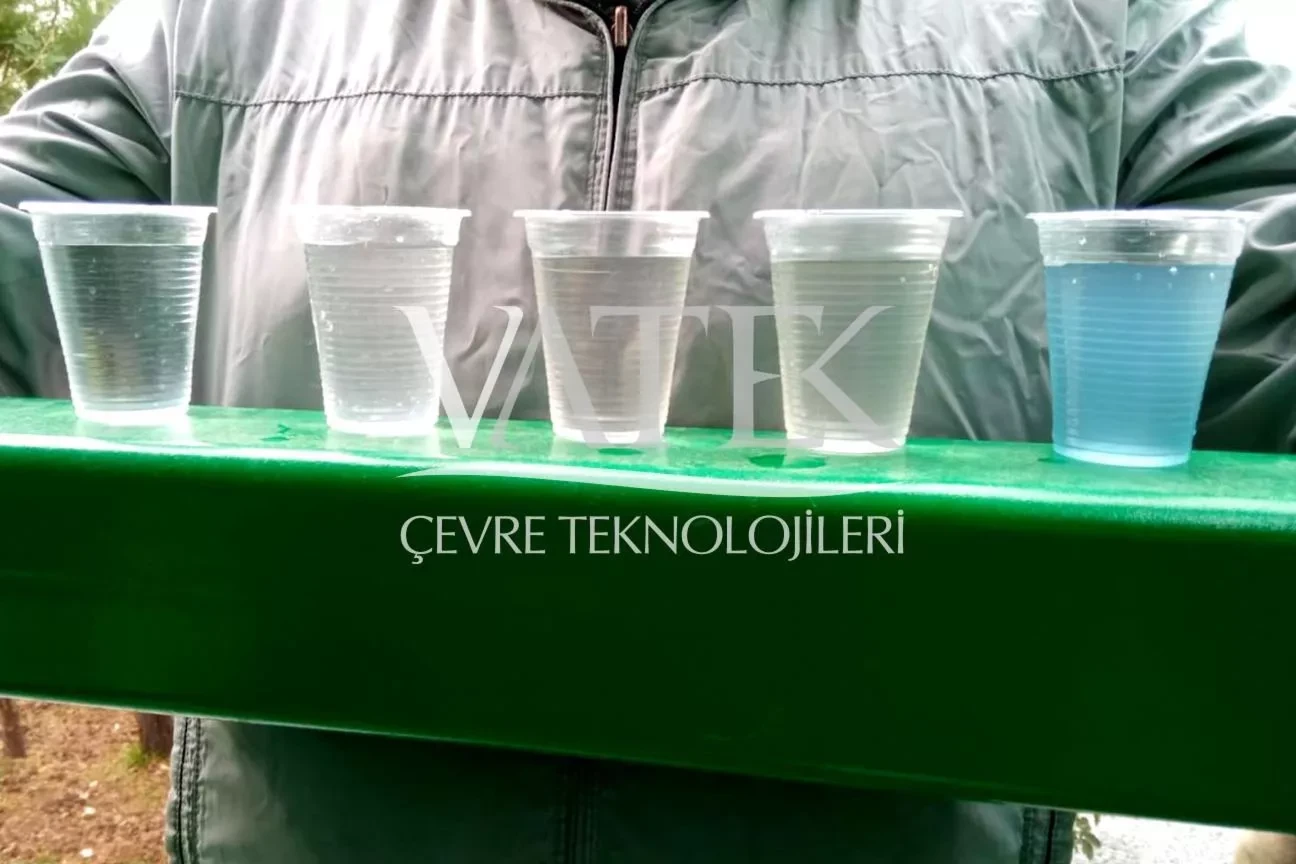
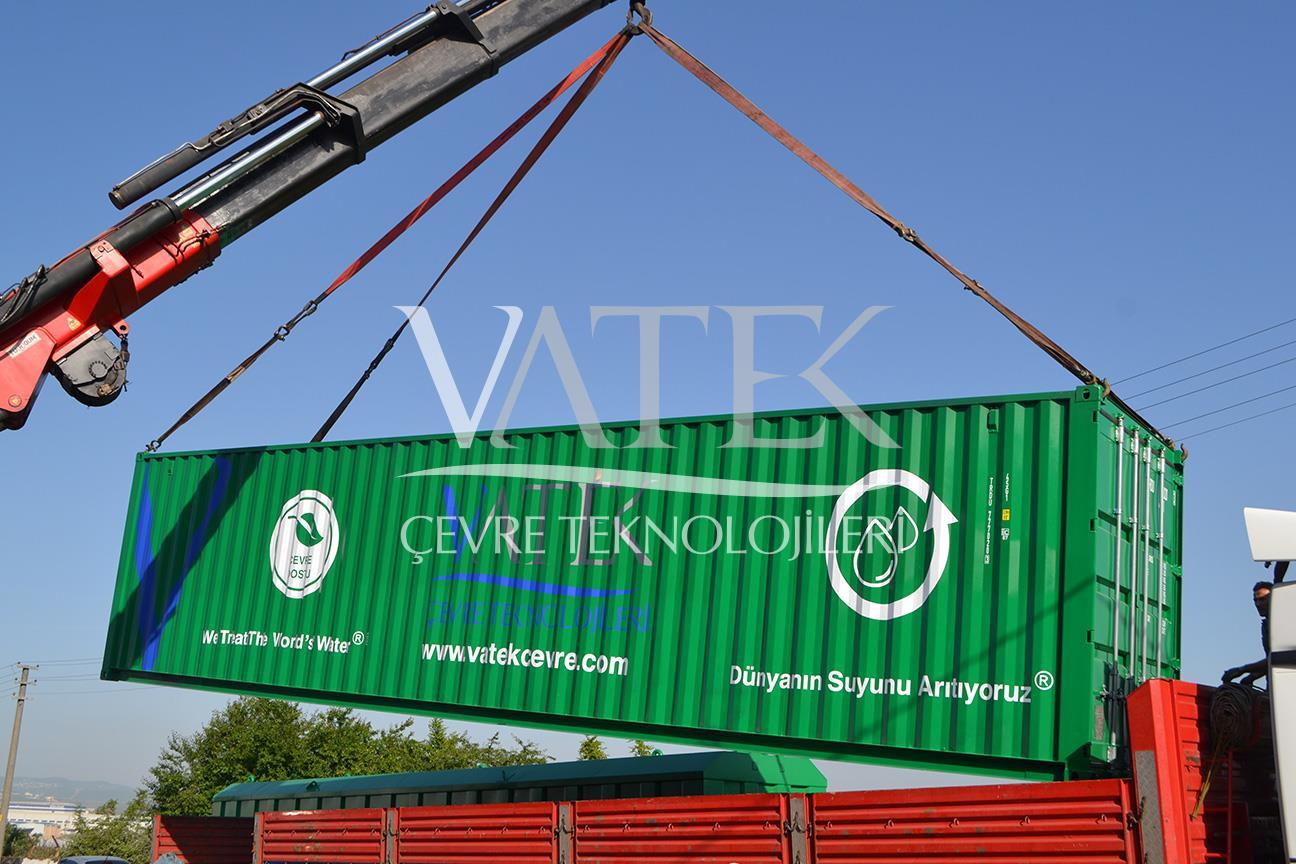
Another important advantage of textile wastewater recycling systems is their flexibility. Businesses may increase capacity or commission new lines over time. When correctly configured, our systems can be designed with a modular structure that adapts to these changes.
For example, an approach we frequently encounter in the field is to expand a line initially installed with a lower capacity by adding tanks, membrane modules, or chemical treatment stages in subsequent years. This allows controlled additions to the existing infrastructure during the facility’s growth instead of replacing the entire system.
We Develop Solutions According to the Requirements of Each Facility
Textile wastewater recovery systems are critical infrastructure solutions that increase environmental sustainability in the textile industry while also providing businesses with economic advantages.
Implementing these systems provides:
- More effective and efficient use of water,
- Reduced freshwater consumption,
- Lower wastewater volumes and disposal costs,
- Minimized environmental impact.
At Vatek Water Treatment Systems, we evaluate the processes and requirements of each facility individually and provide engineering support throughout the project design, installation, and commissioning stages. In this way, we aim to develop solutions that are both environmentally responsible and operationally sustainable.

Frequently Asked Questions
Textile wastewater recycling systems are engineering infrastructure solutions that enable textile facilities to use water more efficiently, reduce environmental impact, and ensure operational sustainability in response to increasing water costs and legal restrictions.
CALL NOW