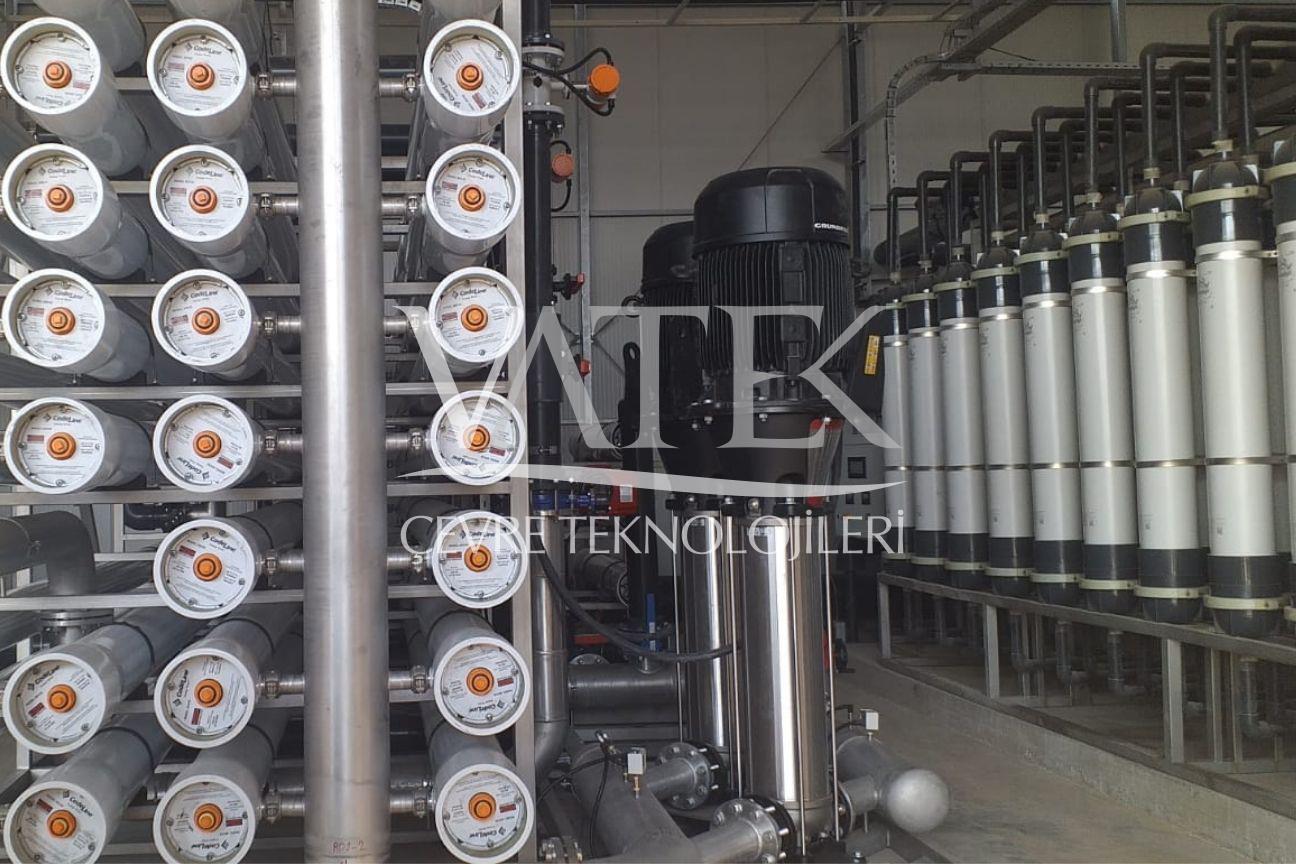
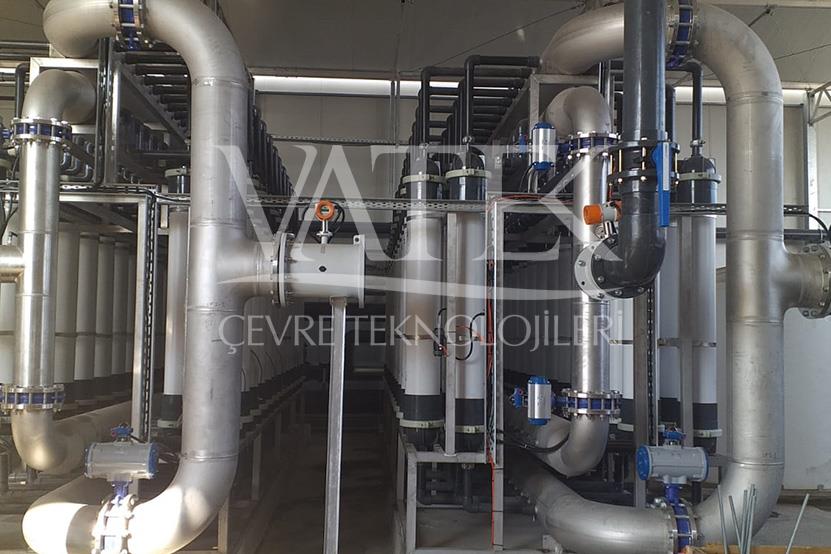
Topraksız Tarım Sera (Greenhouse) Uygulamalarında Arıtma
In soilless greenhouse systems, water is truly the heart of the operation. Since there is no soil, everything the plant needs is supplied through a properly prepared nutrient solution, controlled irrigation, and consistent water quality. Therefore, the quality of the water entering the system directly determines plant health, growth rate, and final yield.
In other words, soilless agriculture largely depends on water. When poor quality water is used, we usually encounter a similar situation in the field: The plant initially grows slowly and falls behind in its development. Over time, the leaves begin to turn yellow, the root structure weakens, and if the problem continues, the plant may gradually be lost.
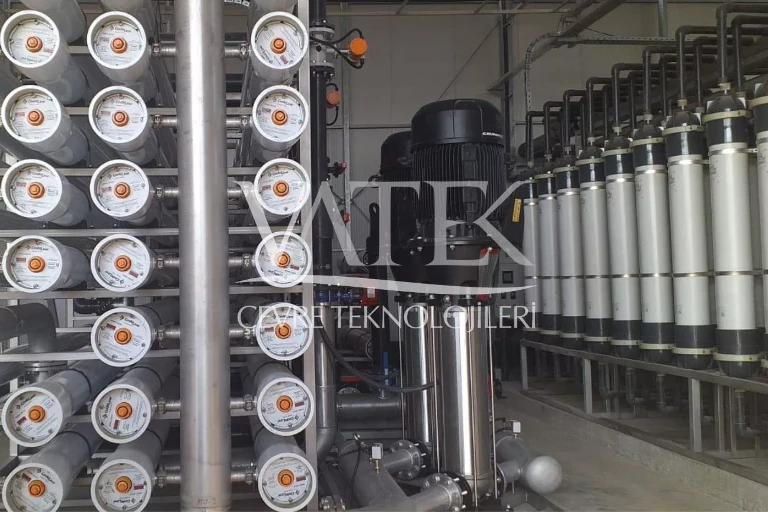
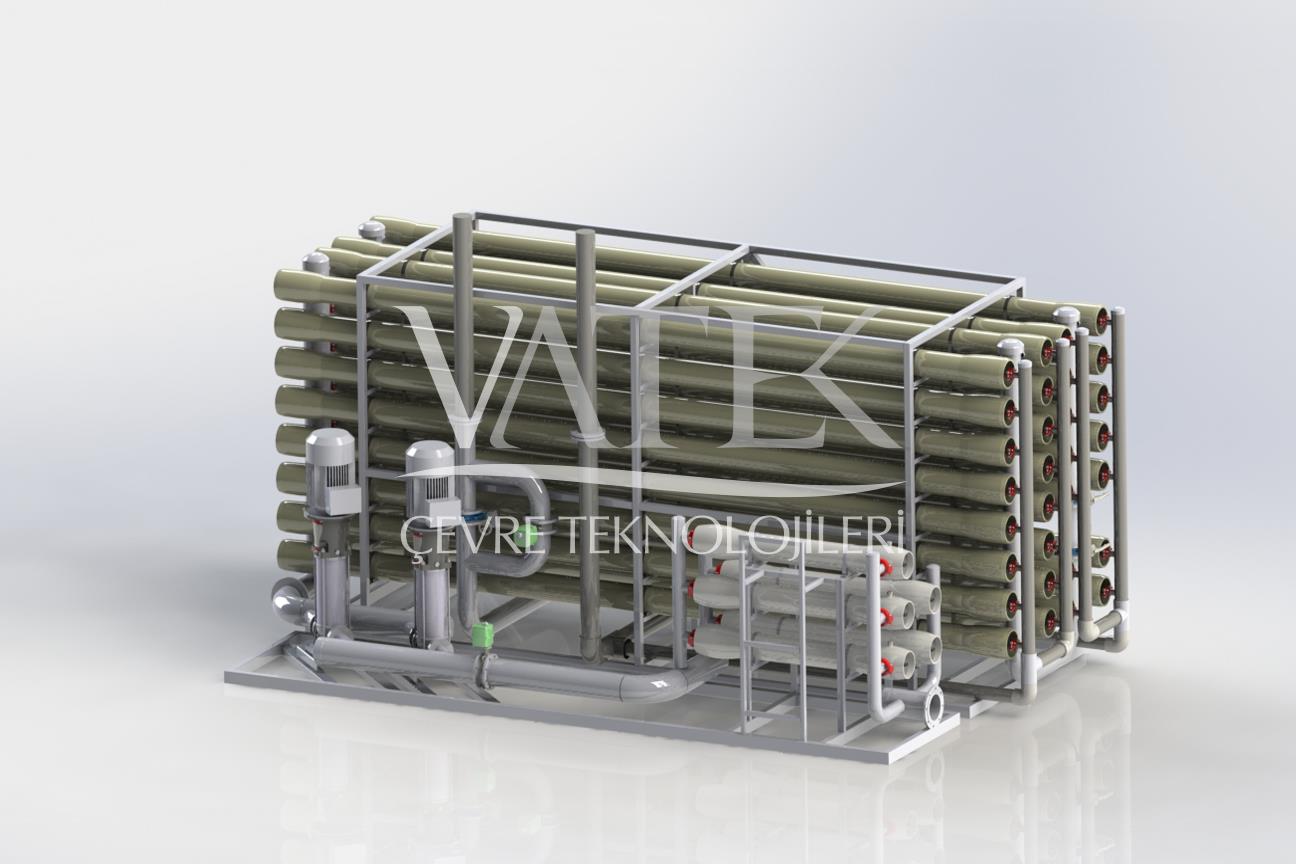
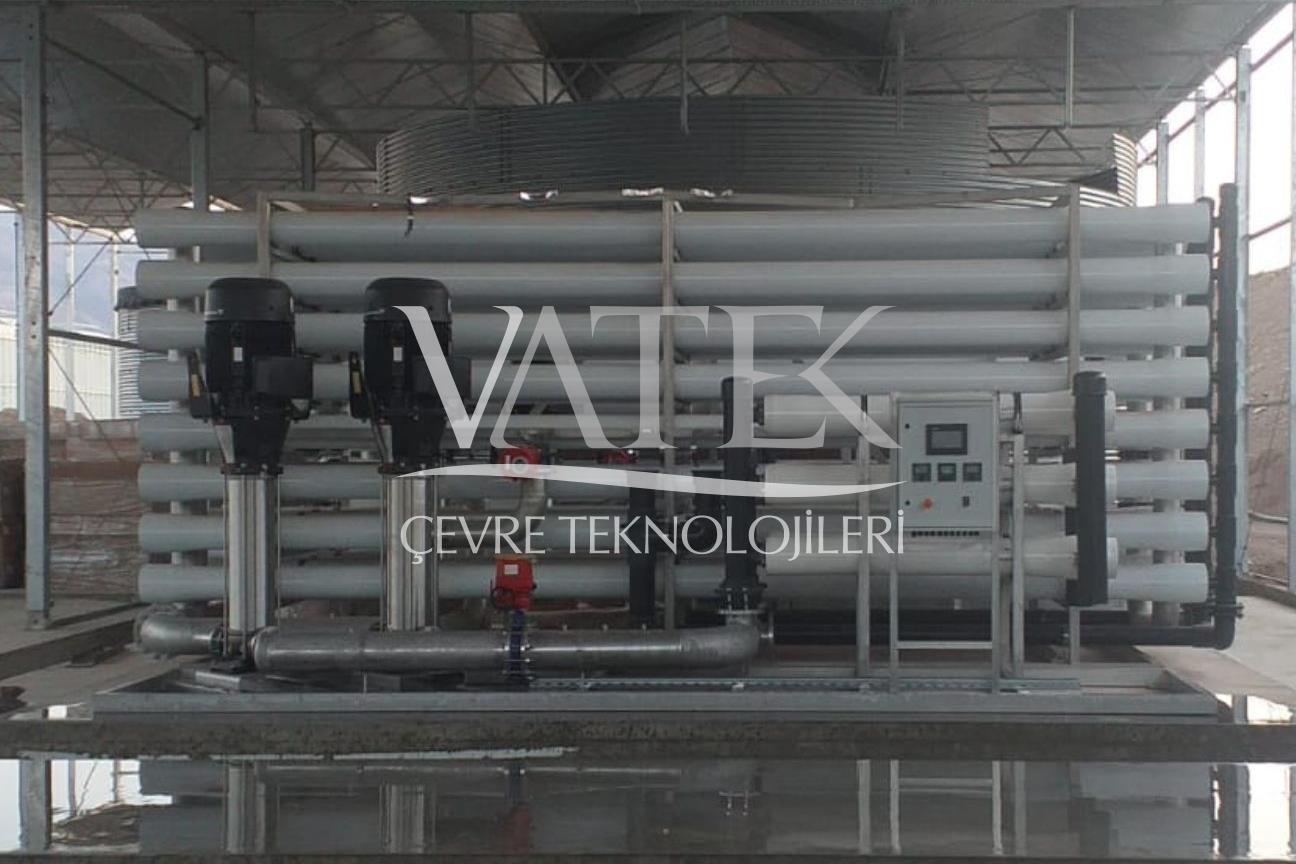
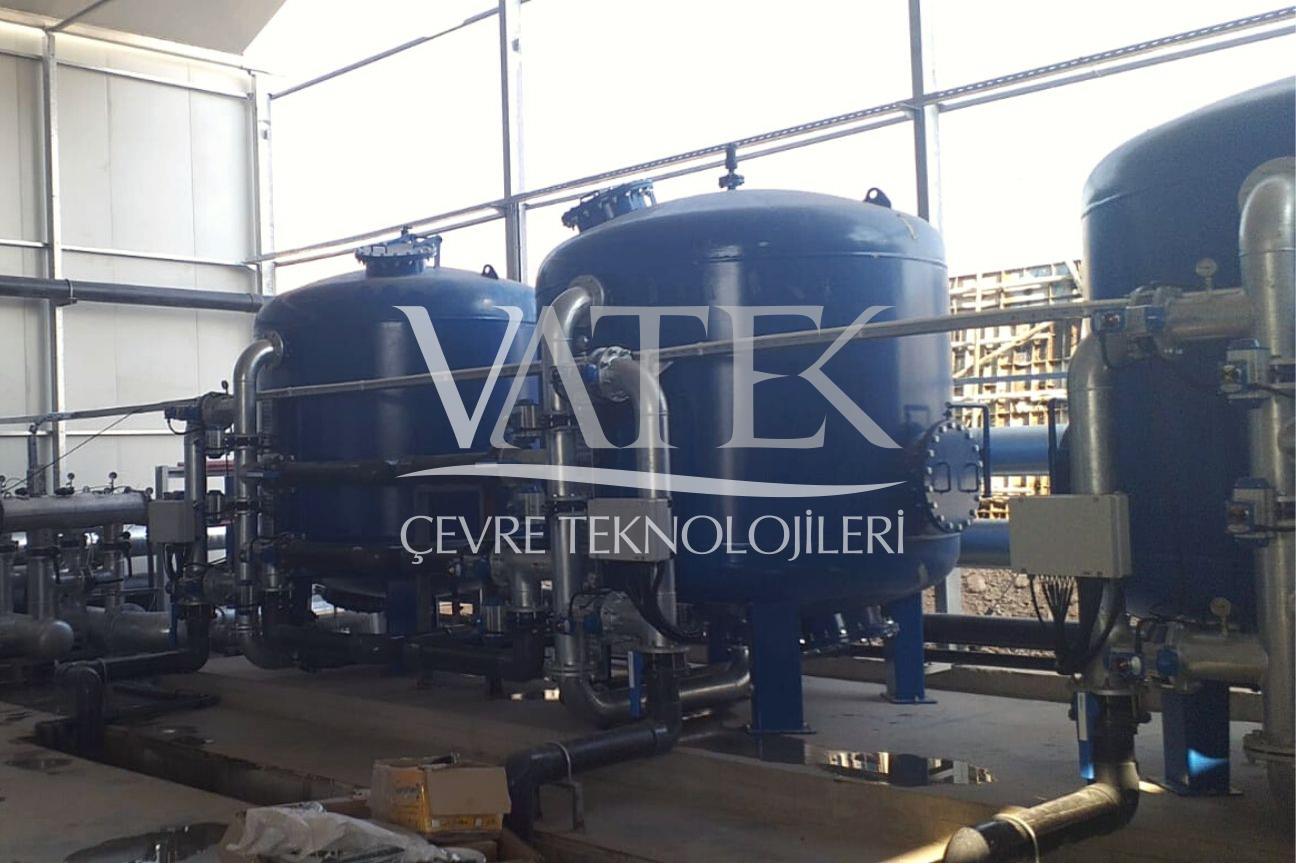
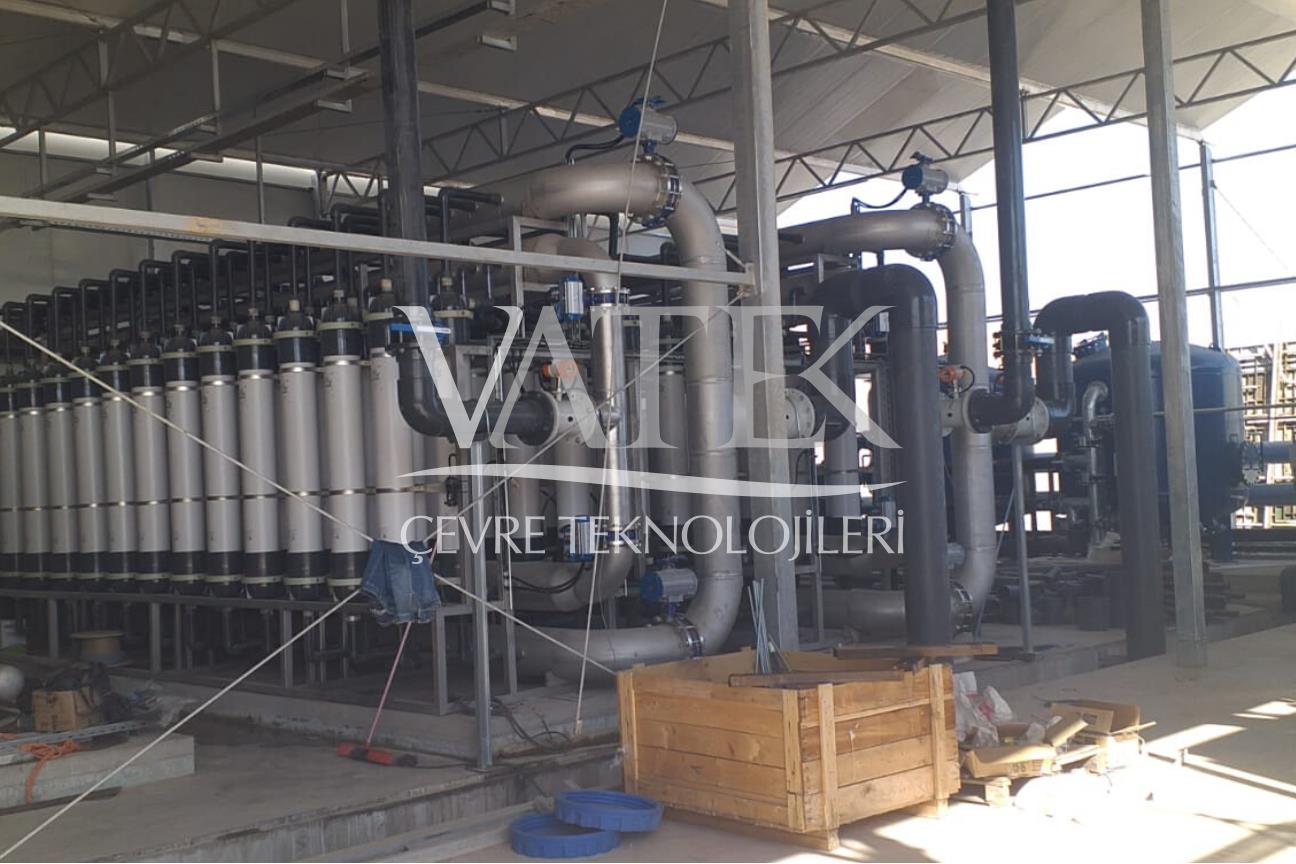
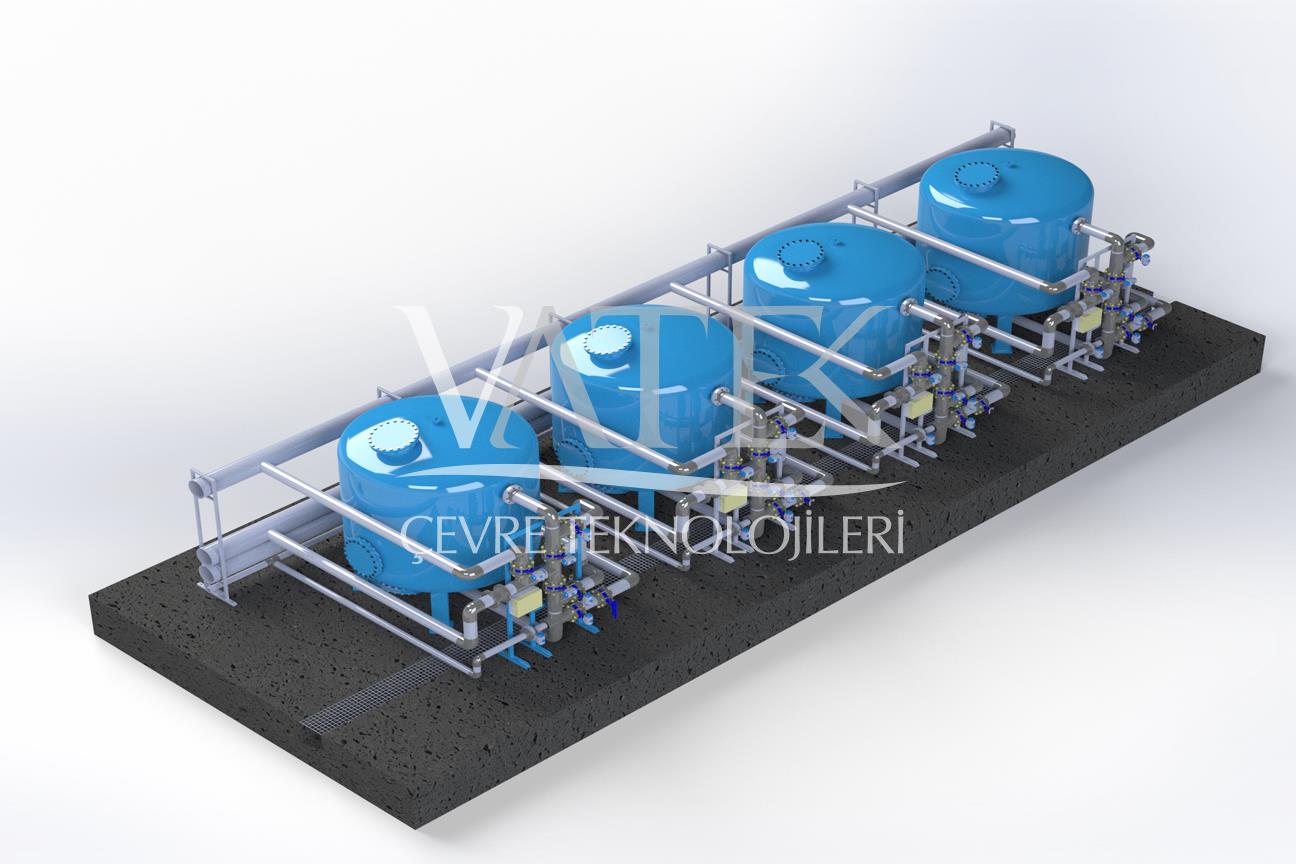
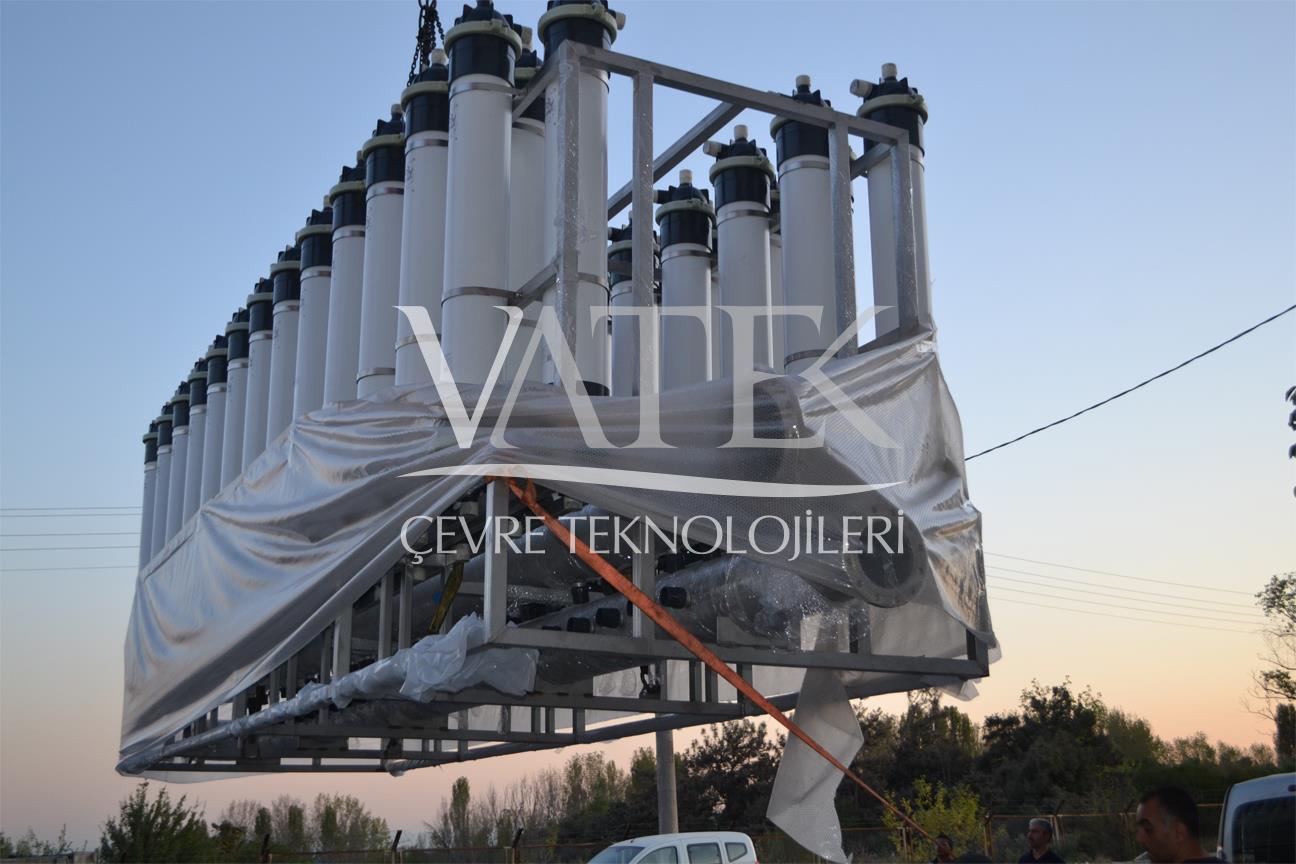
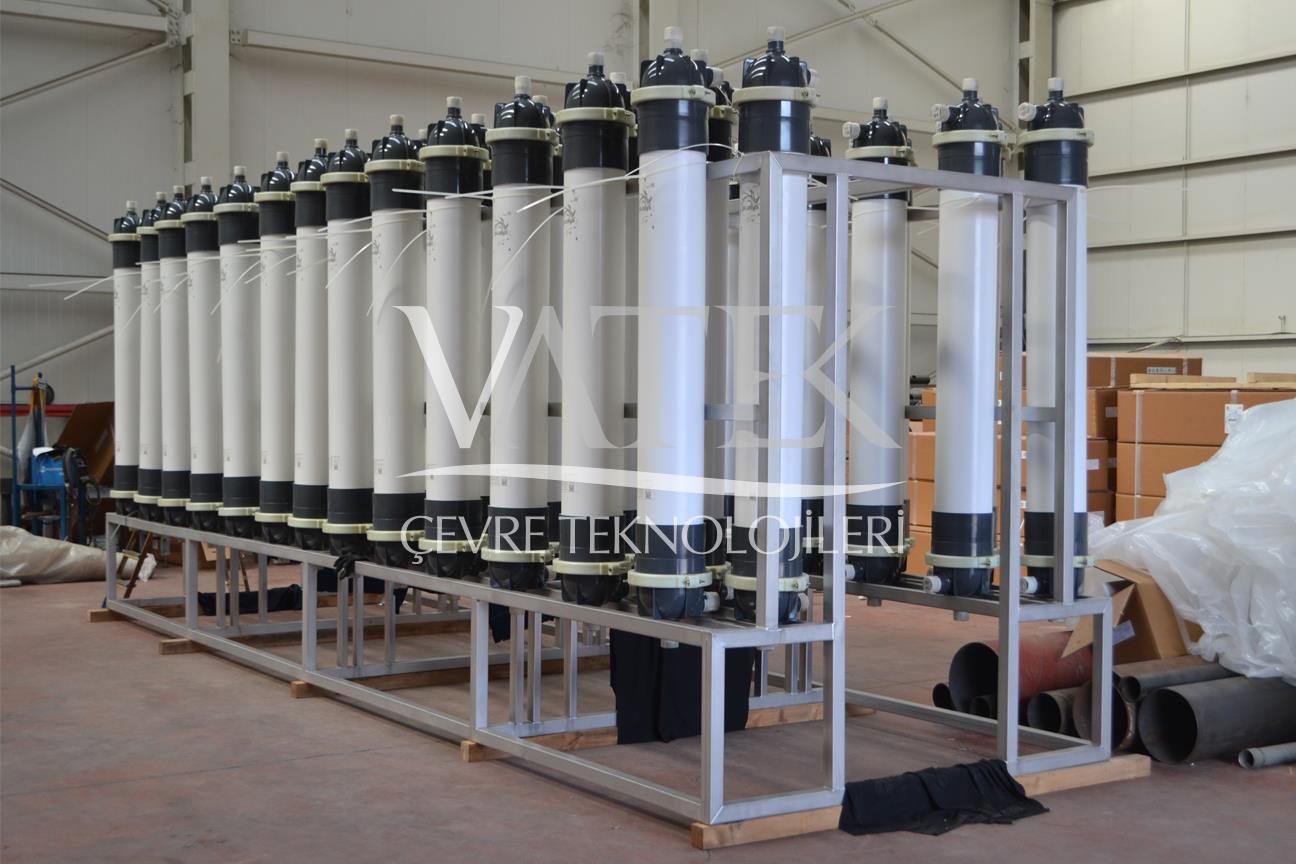
At this point, water treatment systems for soilless greenhouses come into play, helping to bring the water to a specific standard and keep the process under control. As Vatek Water Treatment Systems, our main objective during the design and commissioning processes is to provide the water required by the plant in a stable and sustainable manner.
3. Reduction of Microorganisms and Pathogens
Some microorganisms naturally present in raw water may multiply within the system over time, causing root diseases and yield losses. This risk is particularly significant in closed loop systems.
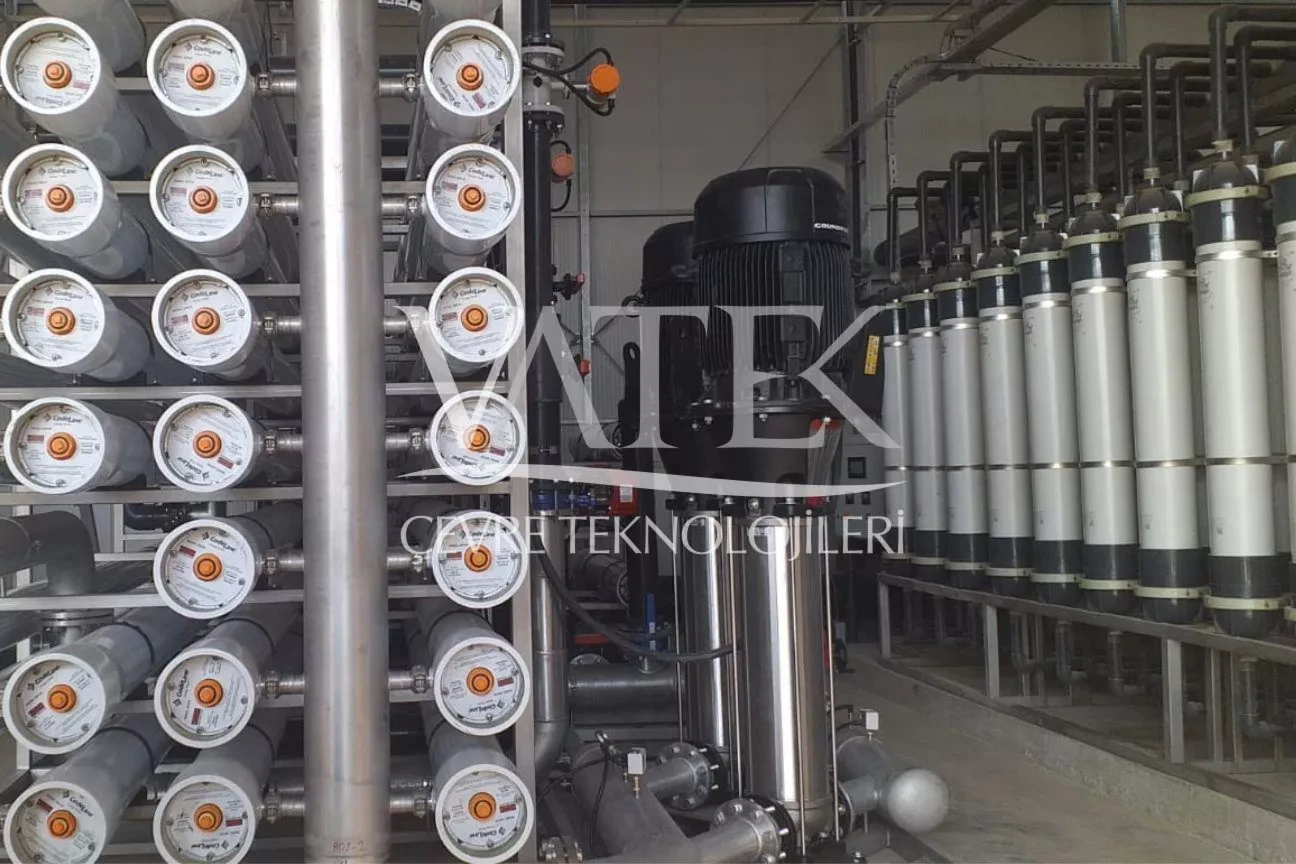
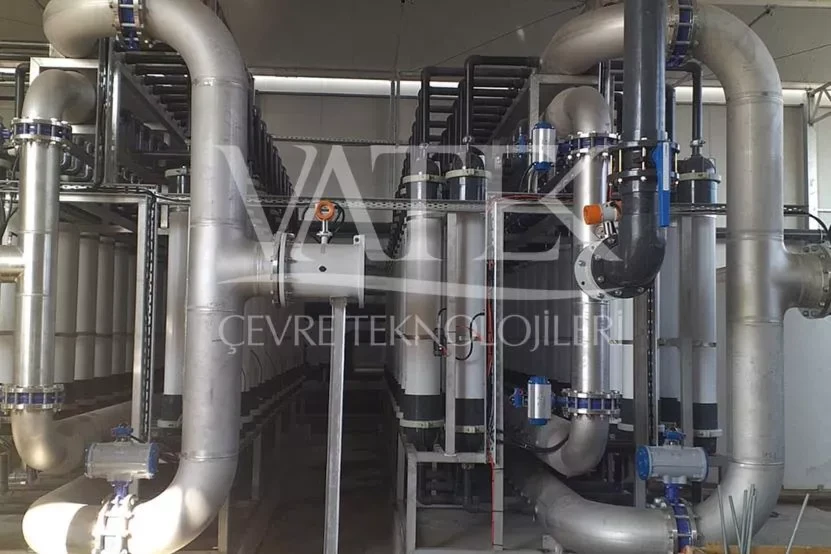
A properly designed water treatment system reduces the microbiological load in the water through filtration, disinfection when required, and similar processes. As a result, the risk of plant diseases decreases, while product quality and production continuity are positively affected.
4. Water Savings and Sustainability
One of the strongest advantages of soilless agriculture is its ability to use water in a closed cycle. Treatment systems allow the used water to be returned to the system under specified conditions.
In practice, this approach provides significant water savings and enables a more sustainable production model. This advantage becomes strategically valuable for businesses, particularly in regions where water resources are limited.
5. Increased Production Volume
Controlled water quality reduces plant stress. A plant with low stress levels and a healthy root zone remains productive for longer, increasing the total amount of produce obtained per unit area.
In the field, we observe that greenhouse applications with improved water quality can produce more crops from the same greenhouse area. Naturally, this increase should be evaluated together with the plant species, fertilization strategy, and operational discipline.
6. Healthy and Flavorful Products
Water quality is closely related not only to yield but also to the internal and external quality of the product. A healthy root system and the correct nutrient balance directly affect the quality of the plant’s fruit or leaves.
For the end user, this results in more uniform, flavorful, and reliable products with a longer shelf life. This is also an important factor that increases the product’s market value.
7. Reduced Need for Pesticides and Fertilizers
When water and nutrient management is properly controlled in soilless systems, plants develop a more resilient structure. Reducing water-related stress may indirectly increase resistance to diseases and pests.
This makes it possible to reduce pesticide use and manage fertilizer dosages more efficiently. As a result, operating costs decrease and environmental impacts are reduced to a more manageable level.
A critical role in the future of agriculture
Water Treatment Is No Longer an “Option” in Modern Greenhouse Farming
Water treatment systems for soilless greenhouses hold a critical position in the future of modern agriculture. By improving water quality, they increase efficiency, support continuous production, reduce environmental impact, and provide businesses with long term security.
As Vatek Water Treatment Systems, we emphasize the following in every project: In soilless agriculture, achieving the desired yield and quality consistently is very difficult without establishing the correct water infrastructure.
Therefore, system design, engineering calculations, and the commissioning process must be addressed specifically according to the conditions, water source, and operational objectives of each greenhouse.

Frequently Asked Questions (FAQ)
Below, you can find the questions most frequently encountered in the field regarding water treatment systems for soilless agriculture applications.
CALL NOW