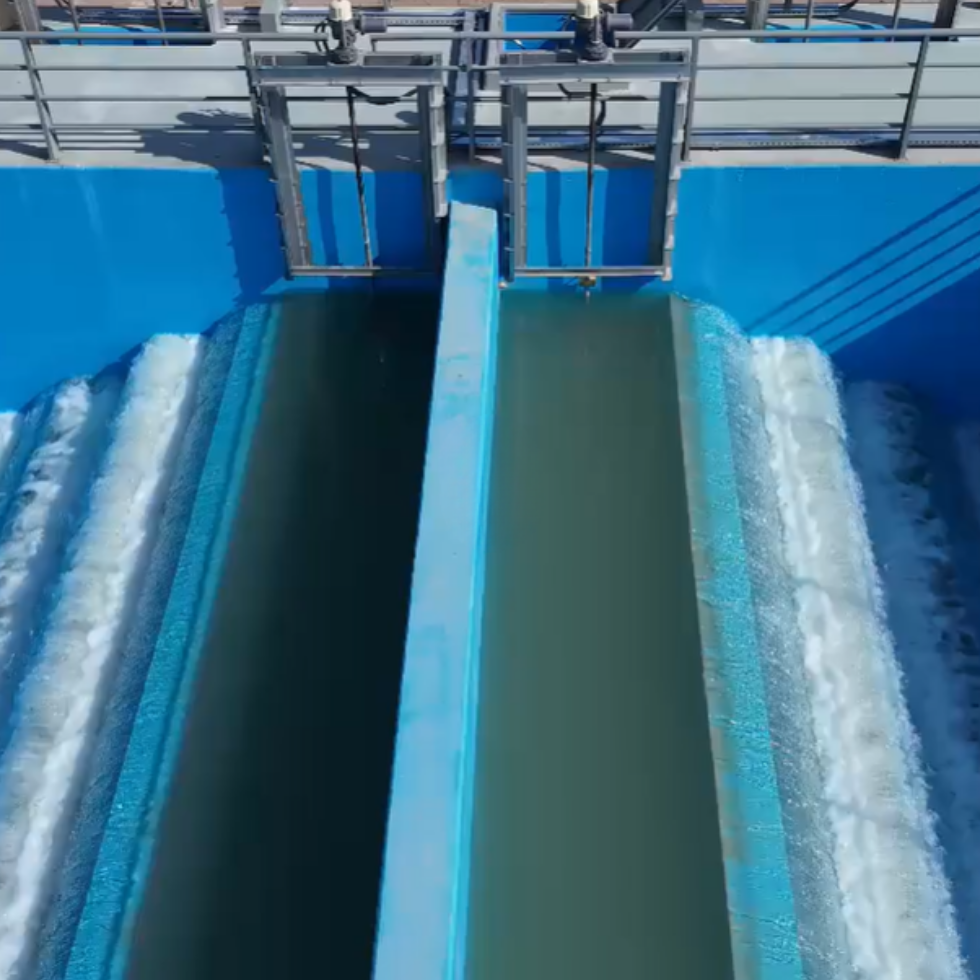
Conventional Water and Wastewater Treatment Systems
Conventional water and wastewater treatment systems are proven treatment technologies in which physical, chemical, and biological processes are used together and whose performance has been demonstrated through many years of field application.
As Vatek, a company that custom designs and manufactures conventional water and wastewater treatment systems, we believe that access to clean water is not a choice but a fundamental need. Therefore, we design conventional water and wastewater treatment systems according to project conditions, based on processes that have repeatedly proven their performance in the field.
Conventional treatment systems enable drinking water, process water, and domestic or industrial wastewater to be treated in compliance with national and international standards. They are reliable and sustainable solutions that combine physical, chemical, and biological processes. These methods have been successfully applied around the world for many years.

Custom Design
For each project, we design a staged treatment process based on the characteristics of the source water and the target outlet values. With a life cycle oriented engineering approach, we aim to improve energy efficiency, reduce chemical and consumable use, and optimize sludge disposal costs.
Key Advantages of Conventional Systems
The key advantages of these systems are their design flexibility for different water characteristics, their ability to deliver consistent results at the target water quality, and their ease of long term operation. When properly designed, they provide a balanced and sustainable solution in terms of both treatment performance and operating costs.
Operating Principle and Process Stages
As Vatek, with a production line in Türkiye, we configure conventional treatment processes in different combinations according to the raw water source and target outlet values. A typical process line includes the following stages:


1) Pretreatment
Coarse/fine screens and sieves, sand and grease traps, equalization tanks, pre-oxidation/aeration, pumping, and required chemical dosing applications.
2) Physicochemical Processes & Primary Separation
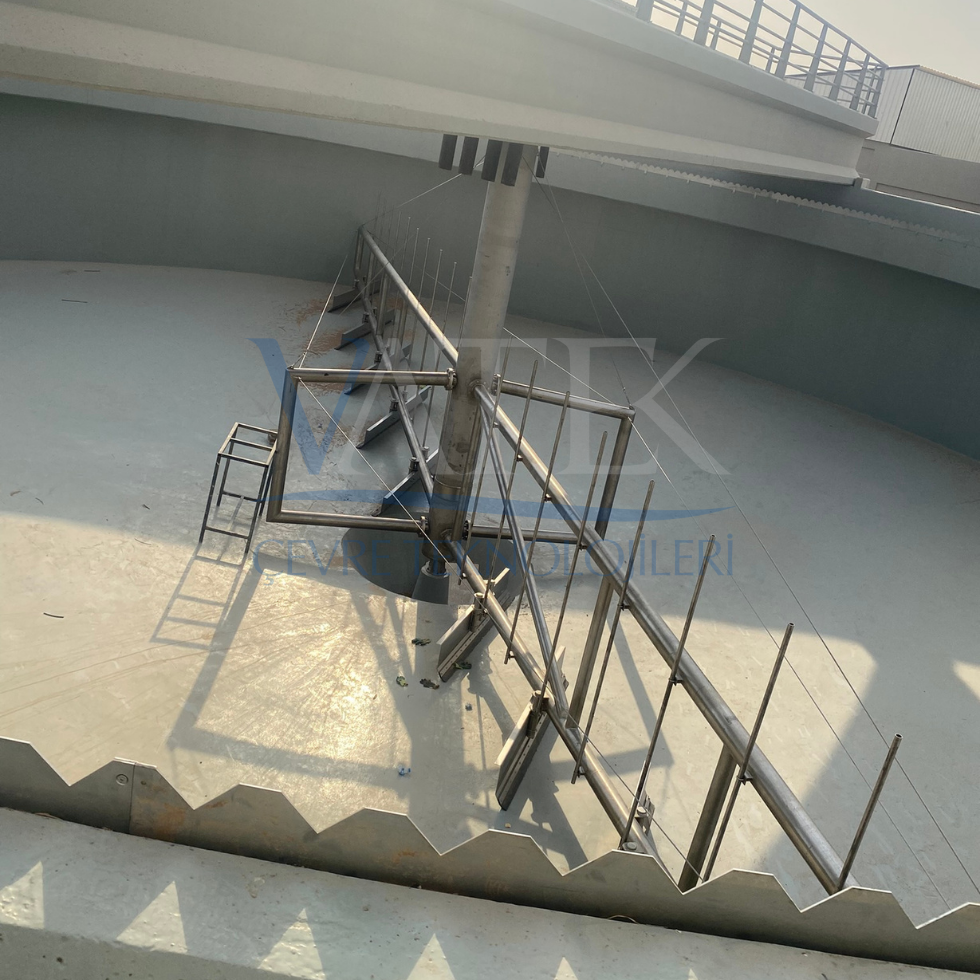
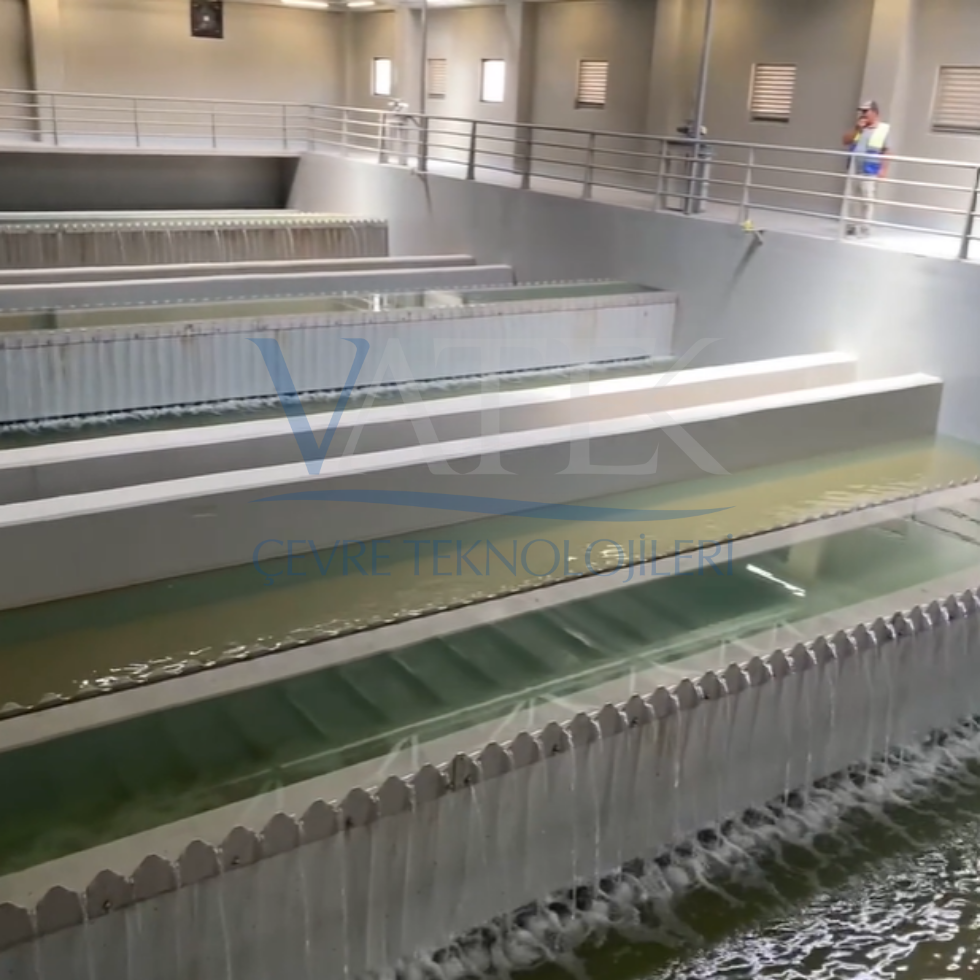
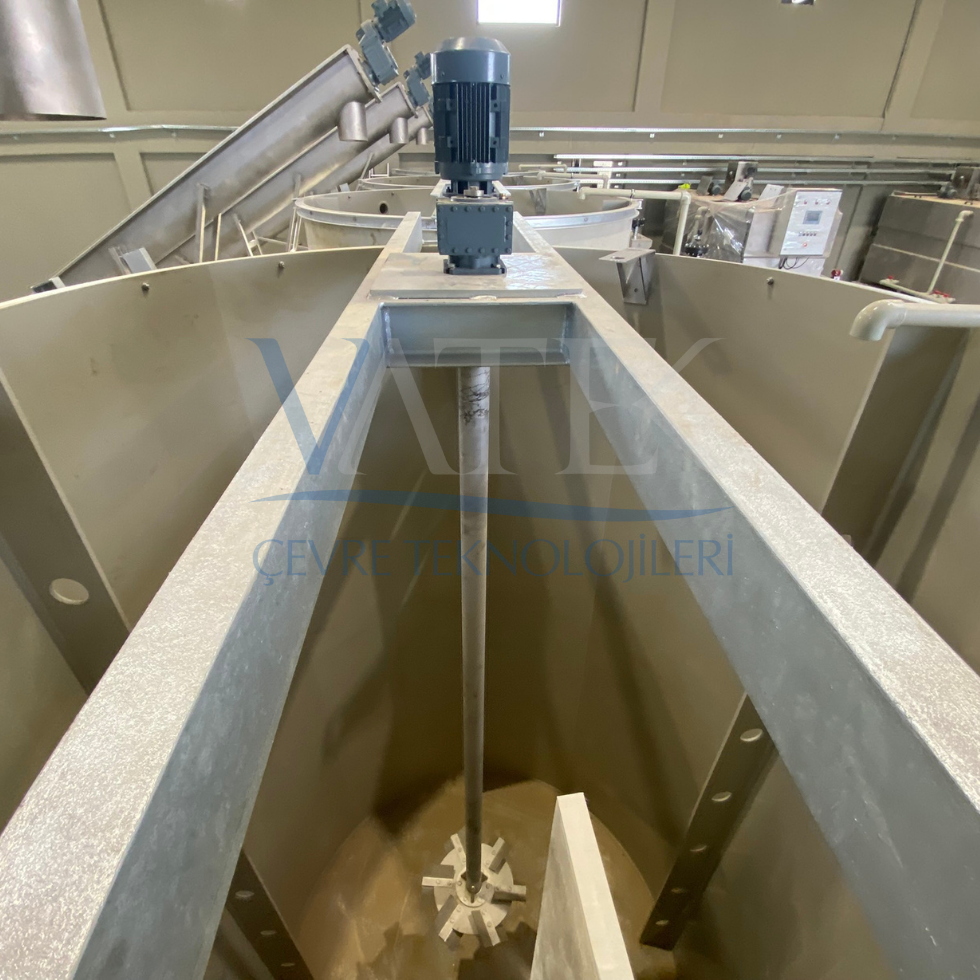
pH adjustment, coagulation–flocculation, rapid/slow mixing, sedimentation (circular/lamella), DAF, softening, metal removal, and color and odor removal applications.
3) Filtration
Particles and unwanted components are retained at an advanced level using units such as rapid sand/multimedia filters, activated carbon filters, and Fe–Mn filters.
4) Biological Treatment
Organic load and nutrients are managed through processes such as activated sludge, SBR, MBBR, nitrification–denitrification, and chemical phosphorus removal when required.


5) Secondary Clarification
Final clarification, sludge return, and excess sludge removal are carried out at this stage.
6) Tertiary / Advanced Processes
Steps such as polishing filtration (sand/disc/deep bed), membrane processes (UF/NF/RO), AOP applications (ozone, UV/H₂O₂), and remineralization are implemented according to the target standard.
7) Disinfection
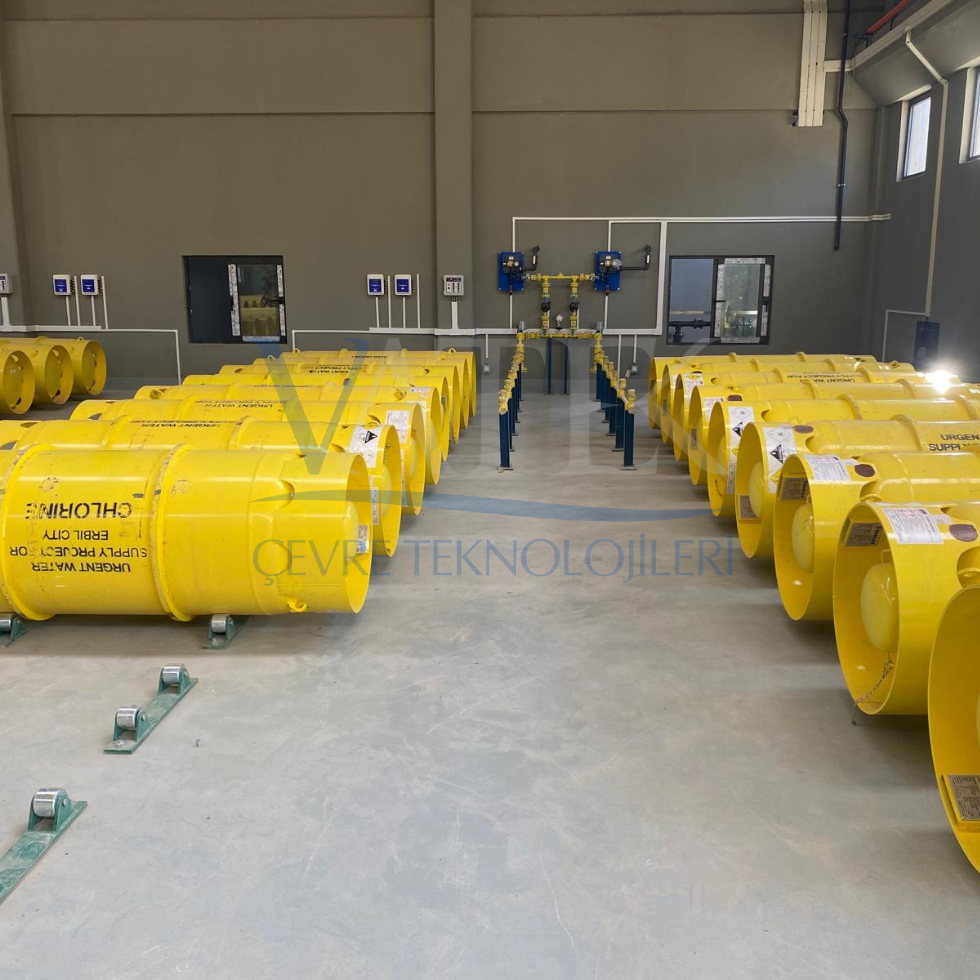
Microbiological safety is ensured using methods such as chlorine, chlorine dioxide, UV, or ozone.
8) Sludge Line
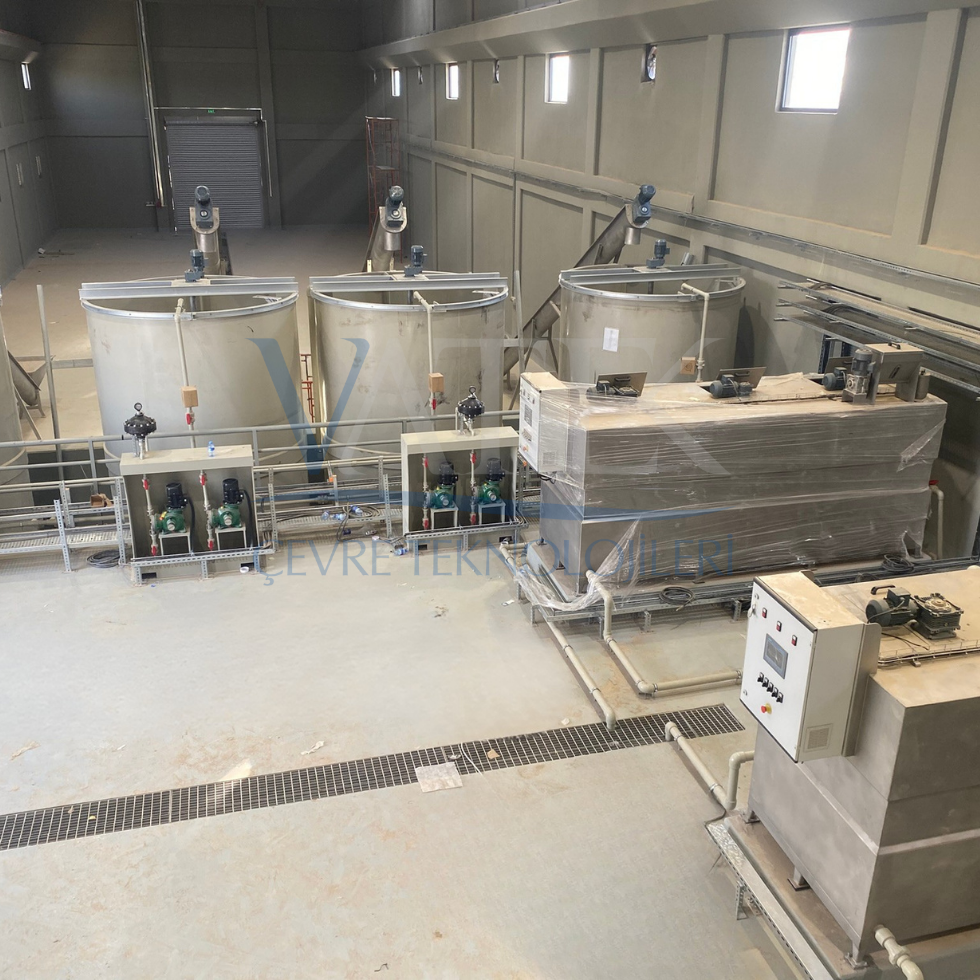
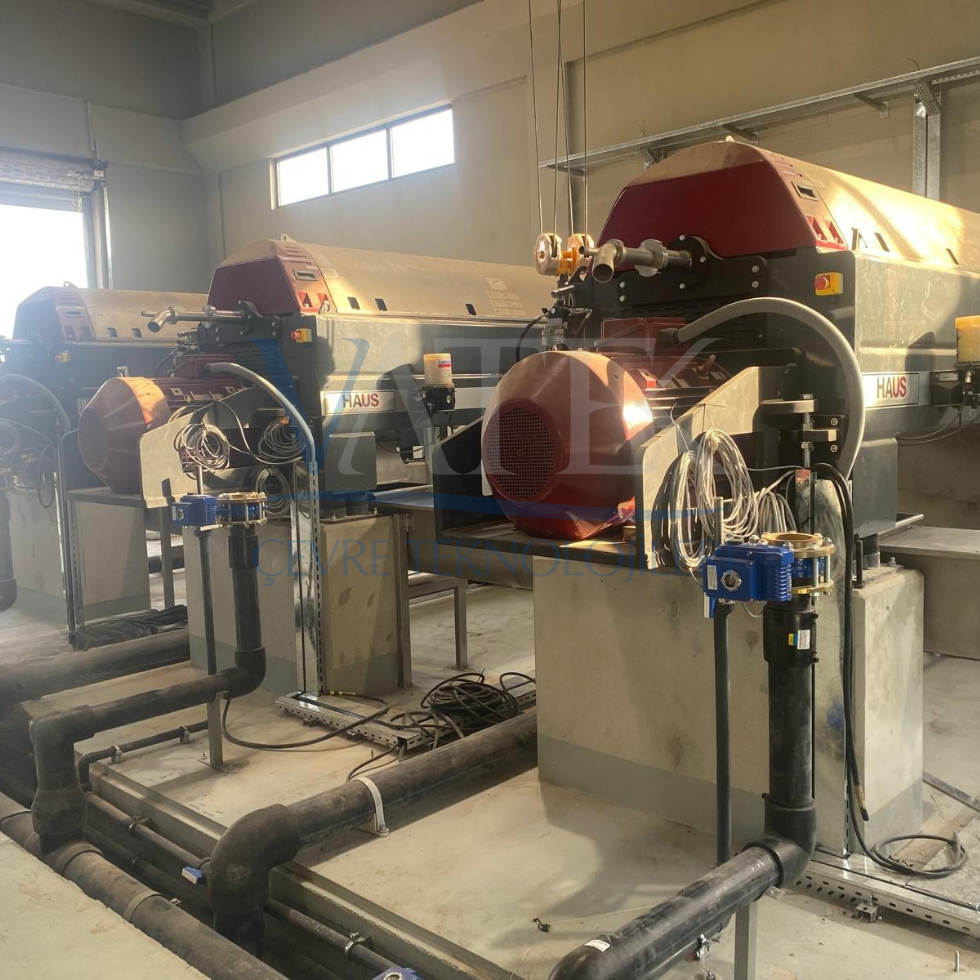
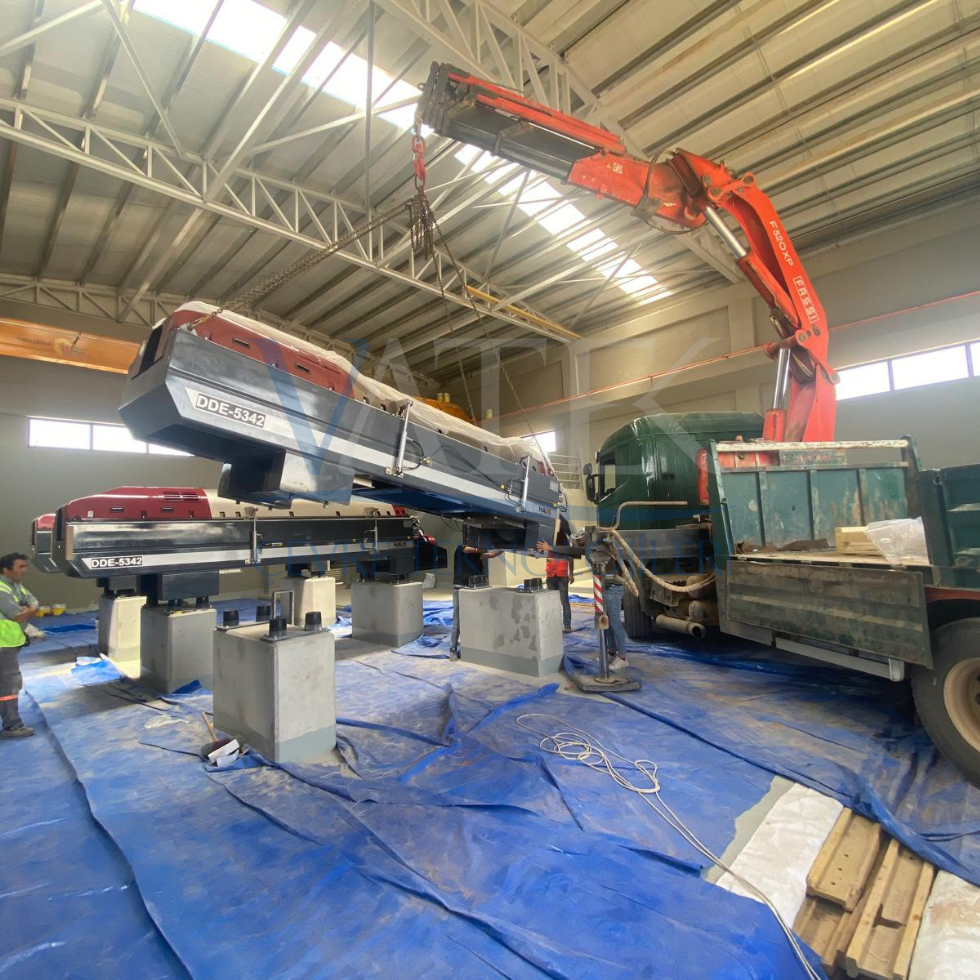
Units such as thickening (gravity/DAF), dewatering (belt press, plate filter press, centrifugal decanter), drying, polymer preparation, and odor control are planned for sludge management.
9) Auxiliary Systems
Supporting equipment such as automation & SCADA, online measurement (pH, turbidity, residual chlorine, ammonia, nitrate), chemical preparation and dosing systems, blowers, and pumps ensure continuous facility operation.
Note: Industrial wastewater may vary significantly depending on the process source; therefore, each facility is custom-designed.
A Brief Overview Based on WHO/UNICEF Data
Approximately 2.2 billion people lacked access to safely managed drinking water—roughly 1 in 4 people.
Approximately 3.5 billion people lacked access to safely managed sanitation, meaning that around 57% had access.
Approximately 2 billion people lacked basic hygiene services, while around 75% had access.
Sources: WHO/UNICEF Joint Monitoring Programme (JMP) – Progress on Household Drinking Water, Sanitation and Hygiene 2000–2022 (2023)

With advanced automation and SCADA infrastructure, the systems ensure operational continuity through their remote monitoring, alarm management, and reporting capabilities.
We also offer flexible delivery models according to project requirements:
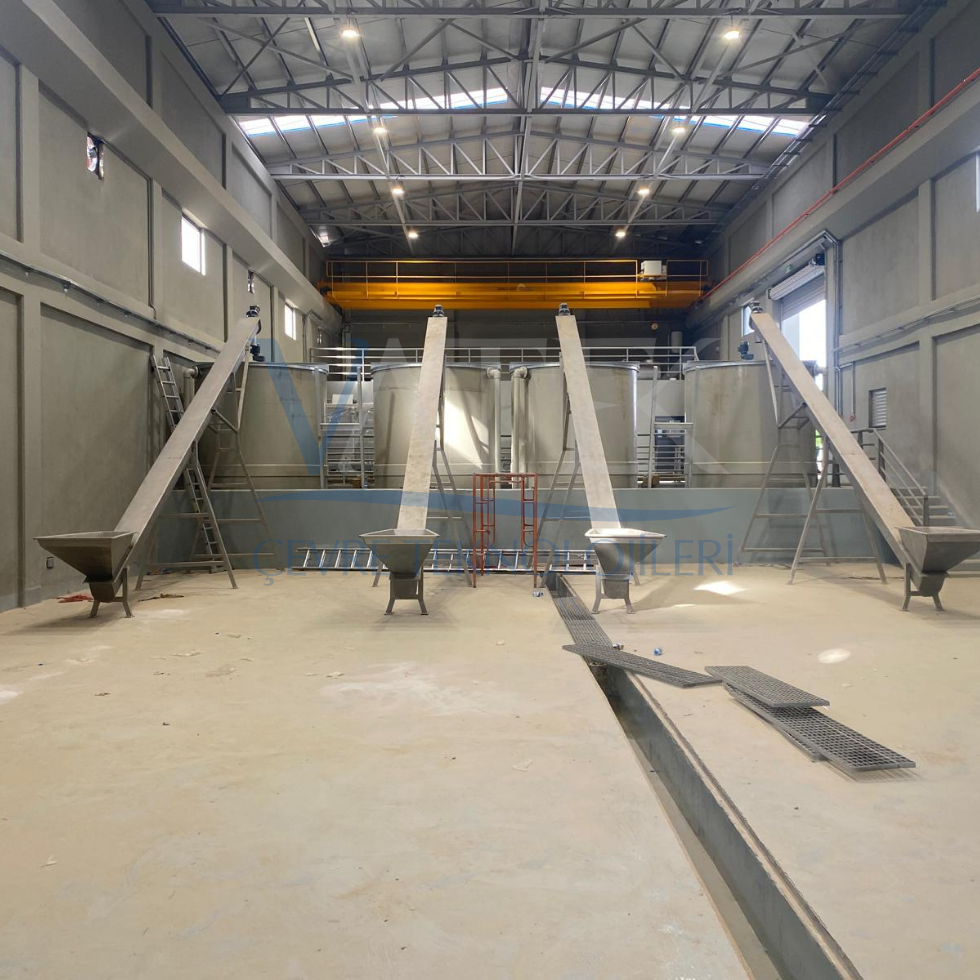
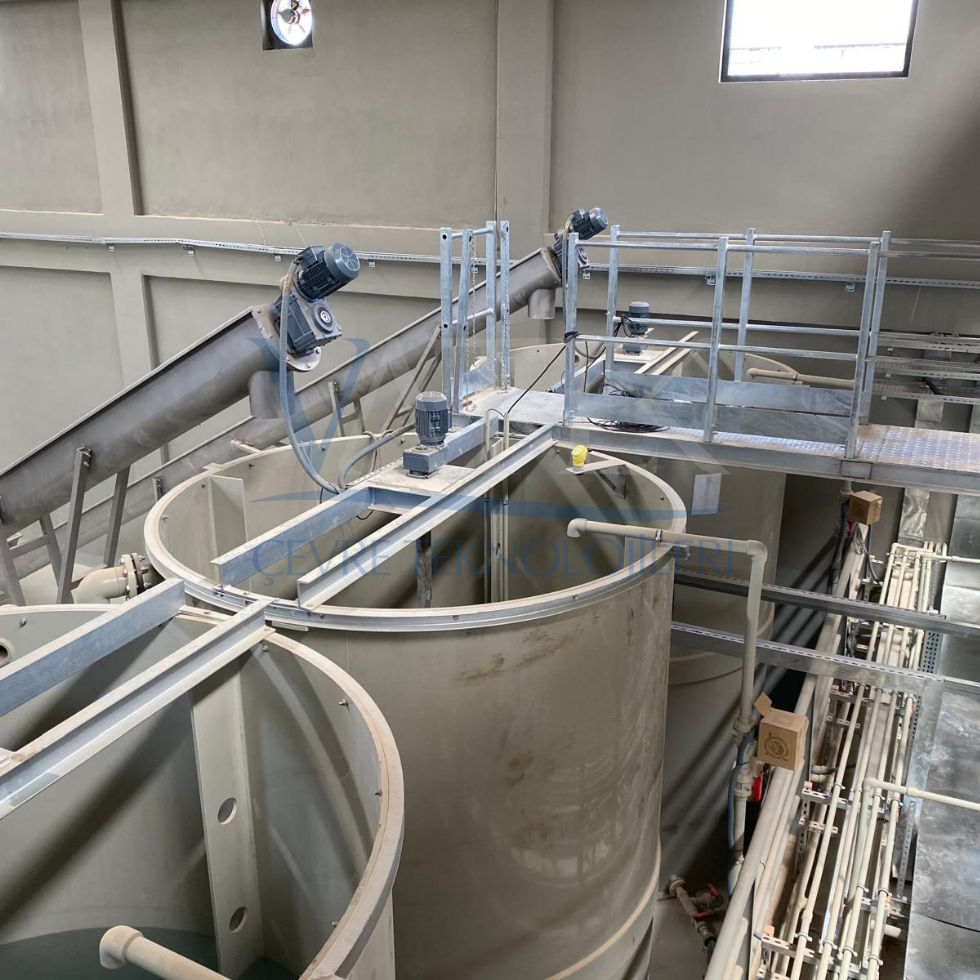
- Tank-based conventional treatment systems for high-flow projects,
- Modular and packaged water treatment systems for applications requiring rapid commissioning
Contact Us for Project Engineering
Every water source and every facility has different requirements. Contact us to evaluate the most suitable conventional treatment processes for your project and accurately address the raw water characteristics and target outlet values. Our technical team will help you clarify the process through data-driven and practical solutions.
A Sustainable Future
Sustainabilityis not limited to producing treated water; it also requires proper water management, efficient energy use, and responsible waste management that does not burden the environment. Thanks to their field proven processes, conventional treatment systems operate consistently for many years and contribute to the more efficient use of resources.
A properly designed and well operated facility helps ensure safe water recovery, balance chemical and energy consumption, and reduce environmental impact.

Frequently Asked Questions
Our aim is to make the process clearer and establish the right expectations.
CALL NOW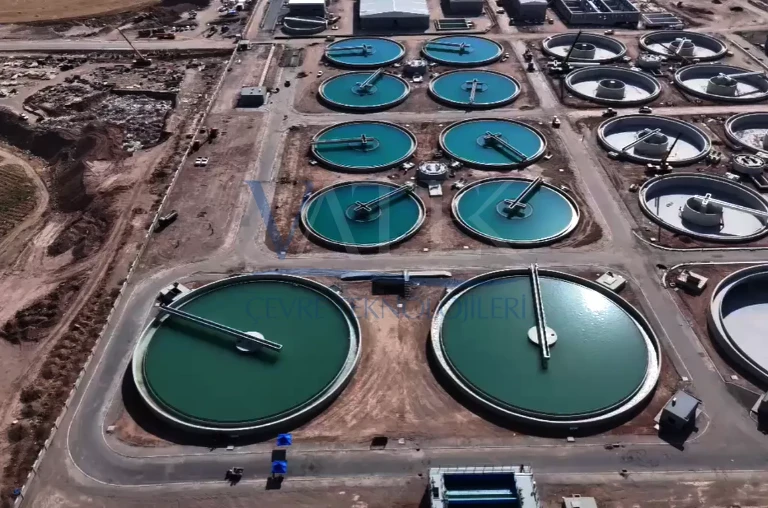
Operating Principle and Process Stages
Conventional treatment processes vary depending on the raw water source and the targeted effluent quality.
Water Intake & Pre-Treatment: Intake structure, coarse/fine screens, grit and grease trap, equalization basin, pre-oxidation/aeration, pumping, chemical dosing.
Physicochemical Processes & Primary Separation: pH adjustment, coagulation flocculation, rapid/slow mixing, sedimentation (circular/lamella), DAF, softening, metal removal, color and odor removal.
Filtration: Rapid sand/multimedia filters, activated carbon, Fe–Mn filters.
Biological Treatment: Activated sludge, SBR, MBBR, nitrification denitrification, chemical phosphorus removal.
Secondary Clarification: Final settling, sludge return, excess sludge removal.
Tertiary / Advanced Treatment: Polishing filtration (sand/disc/deep-bed), membrane processes (UF/NF/RO), AOP (ozone, UV/H₂O₂), remineralization.
Disinfection: Chlorine, chlorine dioxide, UV, ozone.
Sludge Line: Thickening (gravity/DAF), dewatering (belt press, plate filter press, centrifuge), drying, polymer preparation, odor control.
Auxiliary Systems: Automation & SCADA, online monitoring (pH, turbidity, residual chlorine, ammonia, nitrate), chemical preparation and dosing, blower/pump.
Note: In industrial wastewater treatment, significant variations may occur depending on the source of the effluent; therefore, each plant is uniquely designed.
Our Application Areas
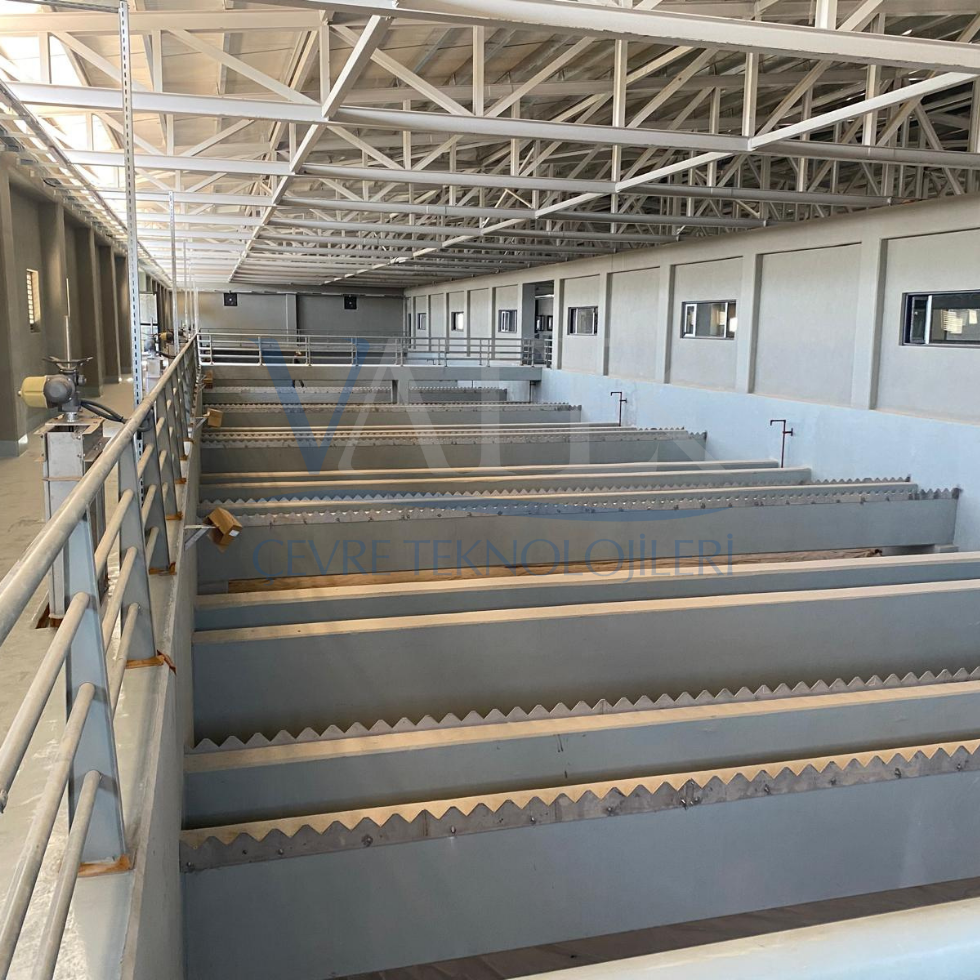
- Municipal Drinking Water Treatment Plants
- Municipal Wastewater Treatment Plants
- Industrial Facilities (textile, food, chemical, metal, energy, etc.)
For each project, a stepwise treatment process is designed based on the characteristics of the raw water and the targeted effluent values.
With our life cycle oriented engineering approach, we enhance energy efficiency, reduce chemical and consumable usage, and optimize sludge disposal costs.
Thanks to our advanced automation and SCADA infrastructure, our systems ensure operational continuity with remote monitoring, alarm management, and reporting features.
In our delivery models, we offer flexible solutions tailored to project needs:
- For high flow projects, basin based conventional treatment systems,
- For scenarios requiring rapid commissioning, modular and package type water treatment systems that provide scalable alternatives.