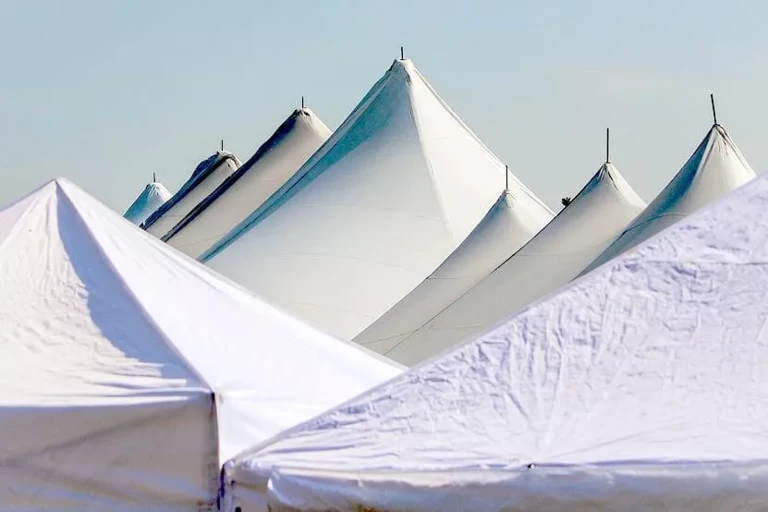
Camp And Temporary Settlements
Refugee camps are often established under sudden and challenging conditions, where even the most basic human needs are limited. Alongside shelter, security, and food, water frequently becomes one of the most critical issues, especially when access to safe and potable water is restricted. At this point, water and wastewater treatment systems become life saving infrastructure solutions.
At Vatek Water Treatment Systems, we frequently observe the following in the field: when a water source is available but there is no treatment system, the water often remains unusable. Conversely, a properly designed treatment system makes sustainable water management possible even under limited conditions.
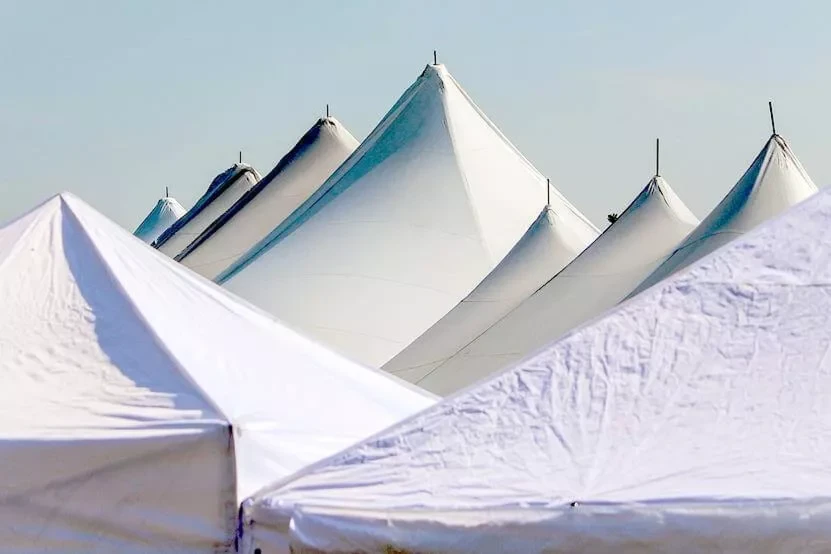
- Converting Water Sources into Drinking Water
Ensuring Drinking Water Quality in Temporary Settlements
In refugee camps, water is generally obtained from natural sources such as groundwater, lakes, and rivers or occasionally transported by tankers. However, this water may not have a quality suitable for direct use as drinking water. Our Vatek mobile water treatment systems make it possible to obtain water of drinking water quality.
Therefore, the water treatment systems used must:
- Be mobile and portable;
- Adapt quickly to changing camp conditions;
- Operate flexibly with different water sources.
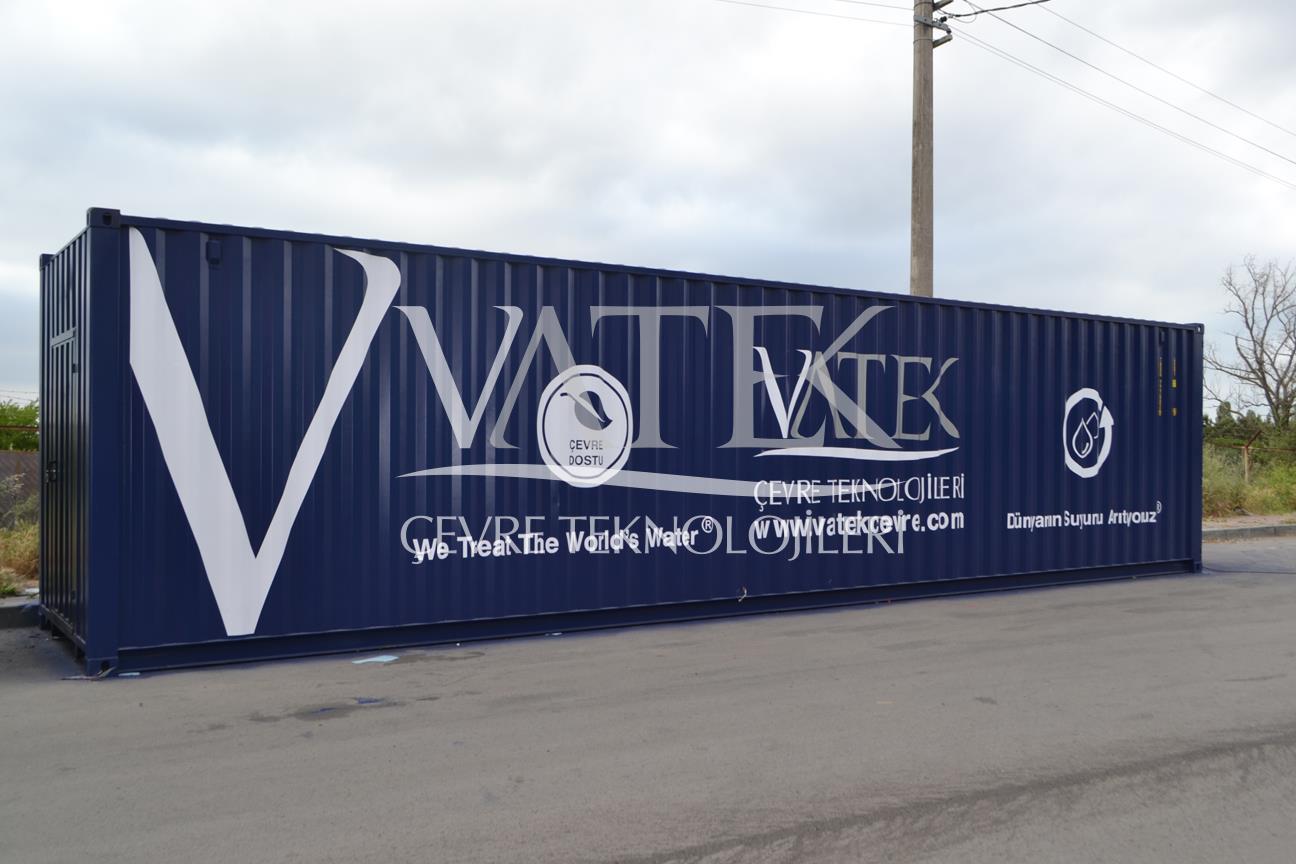
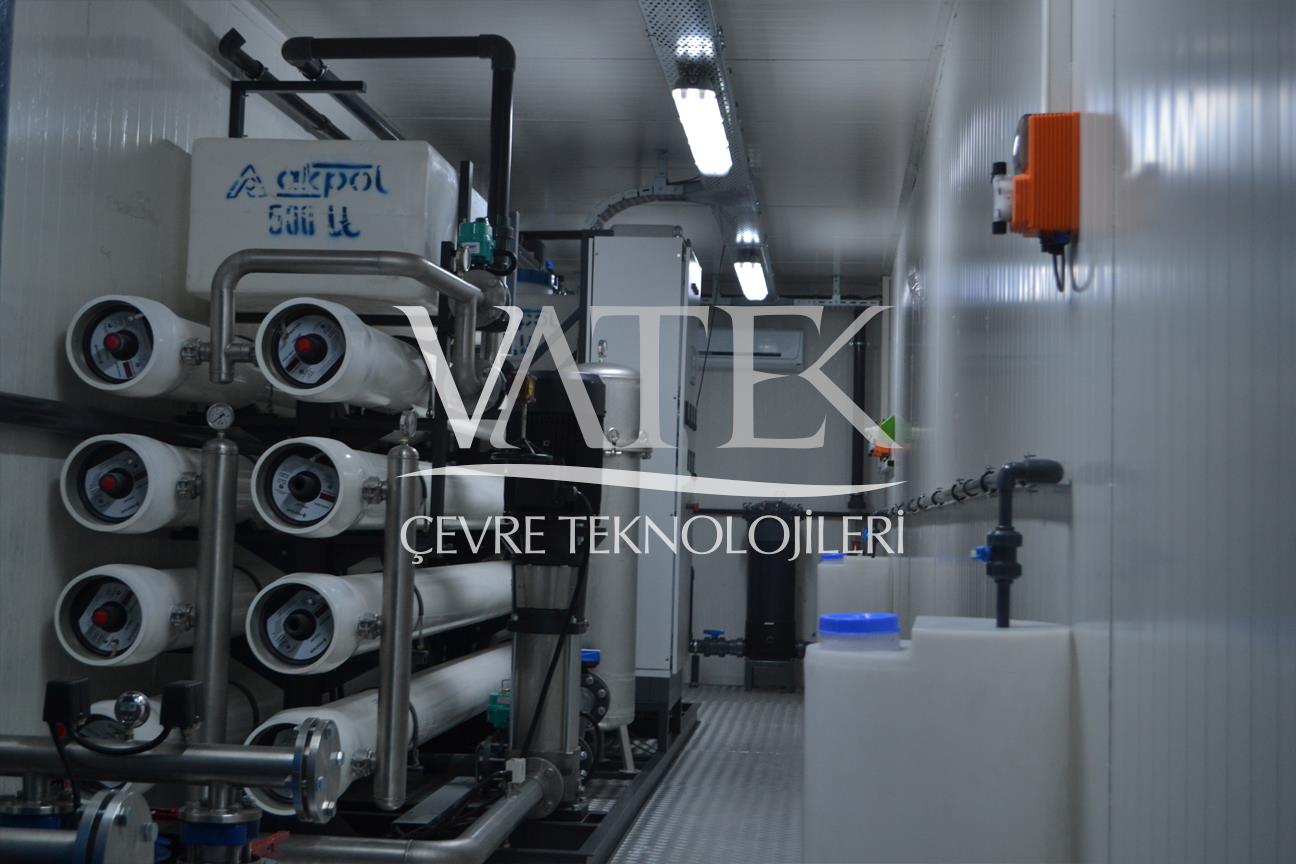
In practice, the systems preferred in refugee camps are generally containerized, trailer mounted, or easily transportable mobile systems. Therefore, when the camp is relocated or additional capacity is required, the system can move together with the camp.
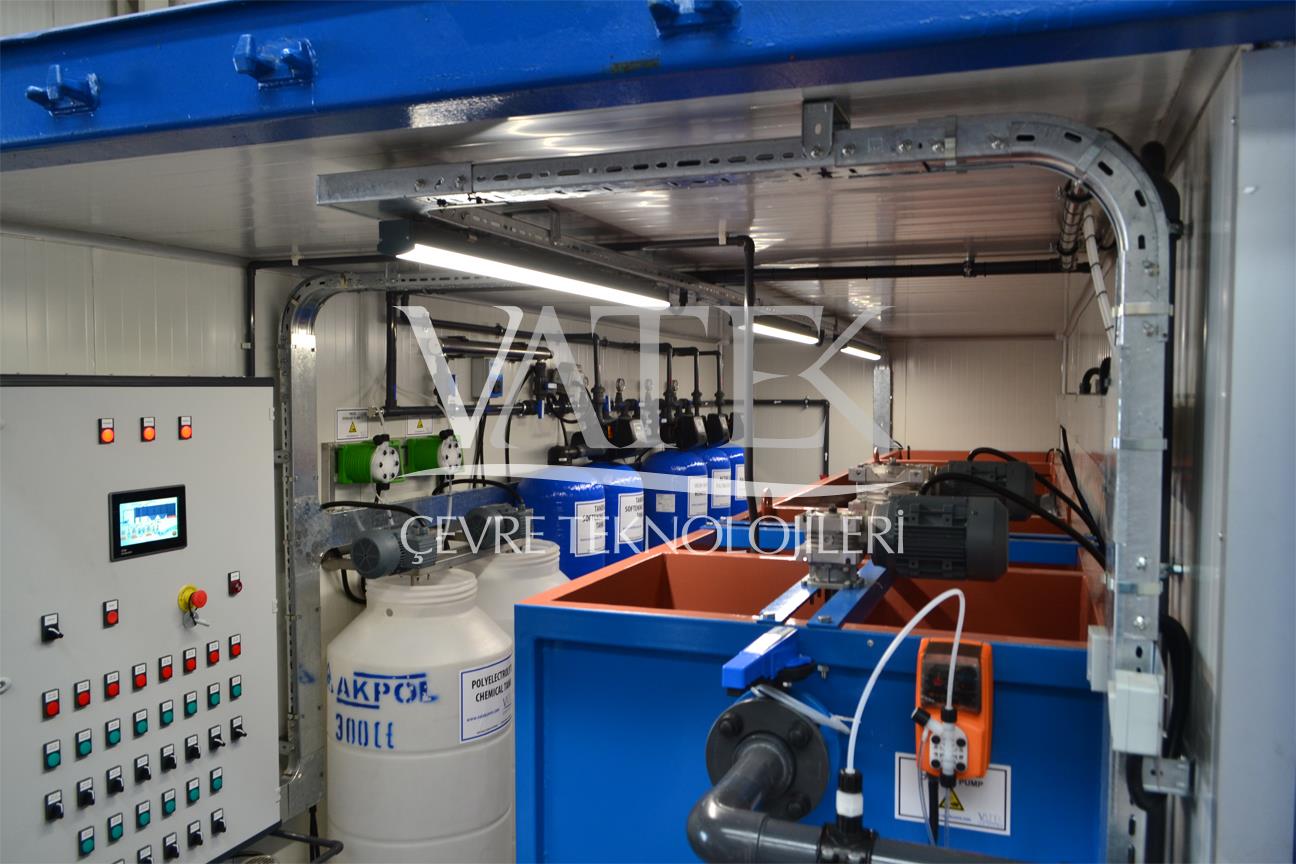
Depending on the water quality and project requirements, these mobile water treatment systems may include:
- Basic filtration units such as cartridge and sand filters,
- Membrane technologies such as ultrafiltration and reverse osmosis,
- Chemical treatment and disinfection stages when required.
Advanced treatment methods such as reverse osmosis and ultrafiltration can remove a significant proportion of harmful microorganisms such as bacteria and viruses, chemical contaminants, and suspended solids such as sediment and turbidity, bringing the water into compliance with drinking water standards.
"In the field, we clearly observe that properly sized and regularly maintained systems can consistently preserve potable water quality."
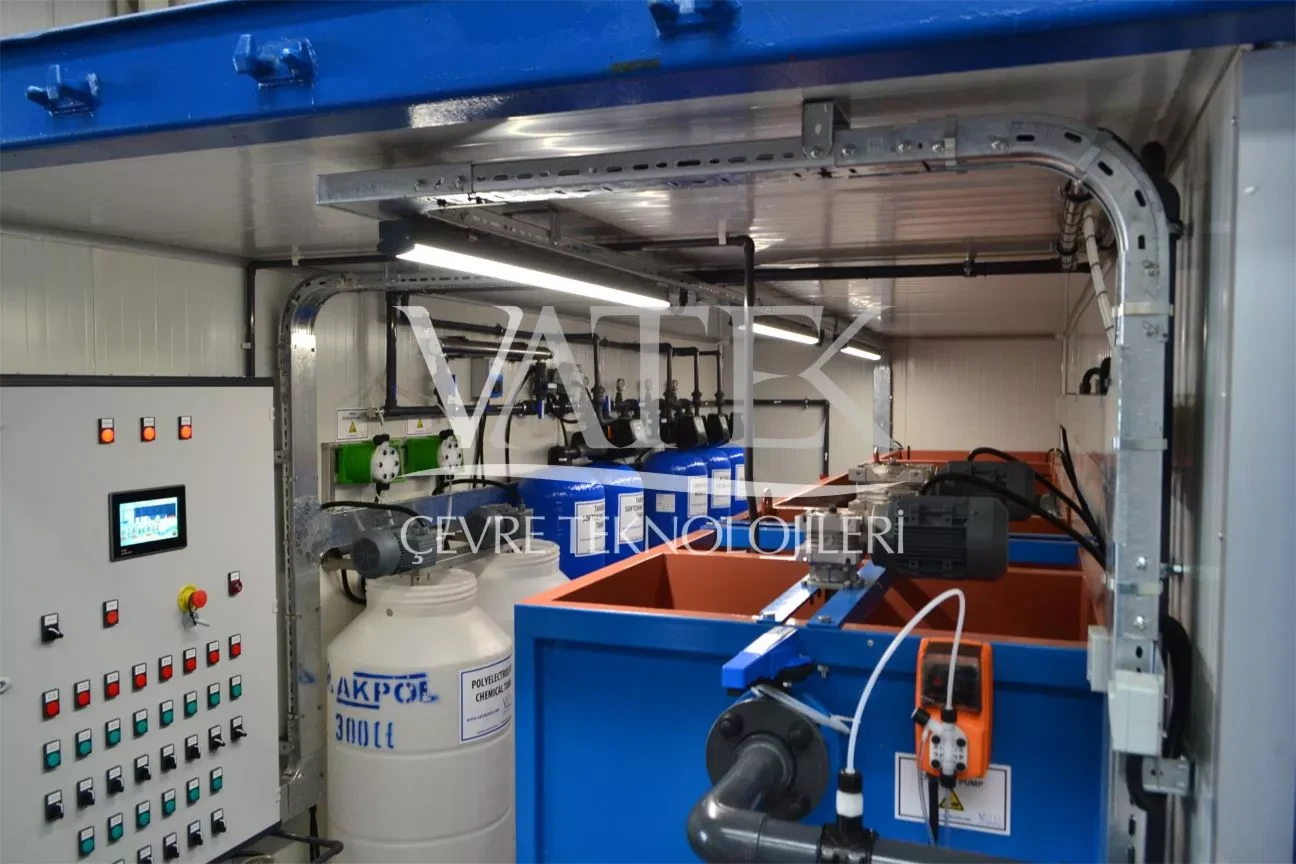
The use of water and wastewater treatment systems in refugee camps is critically important for human health and environmental protection. The effective design, installation, and operation of these systems can help improve refugees’ living conditions and protect their health. The use of water and wastewater treatment systems in refugee camps is critical for both human health and environmental protection. Properly designed and operated systems ensure that: A continuous supply of clean drinking water is maintained, water related health risks are reduced, the camp and surrounding environment are protected, and more humane living conditions can be created even under challenging circumstances.
What Is Our Approach at Vatek Environmental Technologies?
The installation and operation of these systems may involve certain challenges. Camps frequently have limited resources and insufficient infrastructure. Therefore, water and wastewater treatment systems must have low operating costs and be easy to maintain and operate.
Low operating costs: Systems with low energy consumption and the simplest possible automation are preferred.
Easy maintenance and operation: Priority is given to solutions that are suitable for operator training and allow rapid intervention in the event of a malfunction.
Modular structure: The ability to increase capacity by adding modules as the camp population grows provides a significant advantage.
Adaptation to field conditions: Instead of applying a “one size fits all solution” to every project, a custom design must be developed according to the water source, climate, energy availability, and camp layout.
The key point is that an effective refugee camp treatment system must be designed according to field realities, not only theoretical requirements. Unfortunately, a system that appears perfect on paper but cannot be operated in the field will not fulfill its purpose.

Frequently Asked Questions
Our field experience shows that properly positioned mobile treatment systems can significantly reduce costs in many areas, from logistics to human resources.
CALL NOW