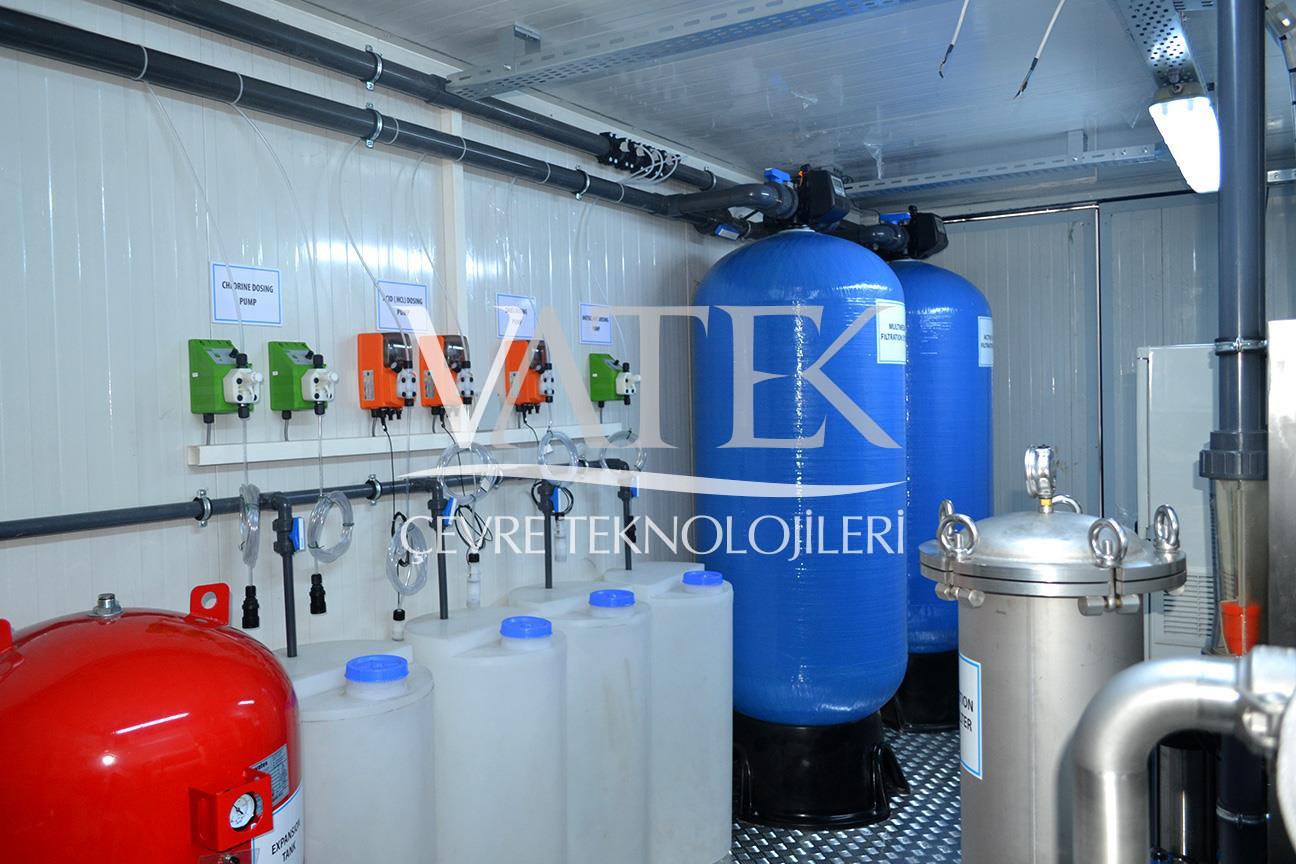
In large scale residential and public-use facilities such as schools, apartment buildings, housing complexes, and shopping malls the quality of the water supplied to the entire site or building is a critical consideration. In such facilities, the water must be free from sediment, particles, and hardness.
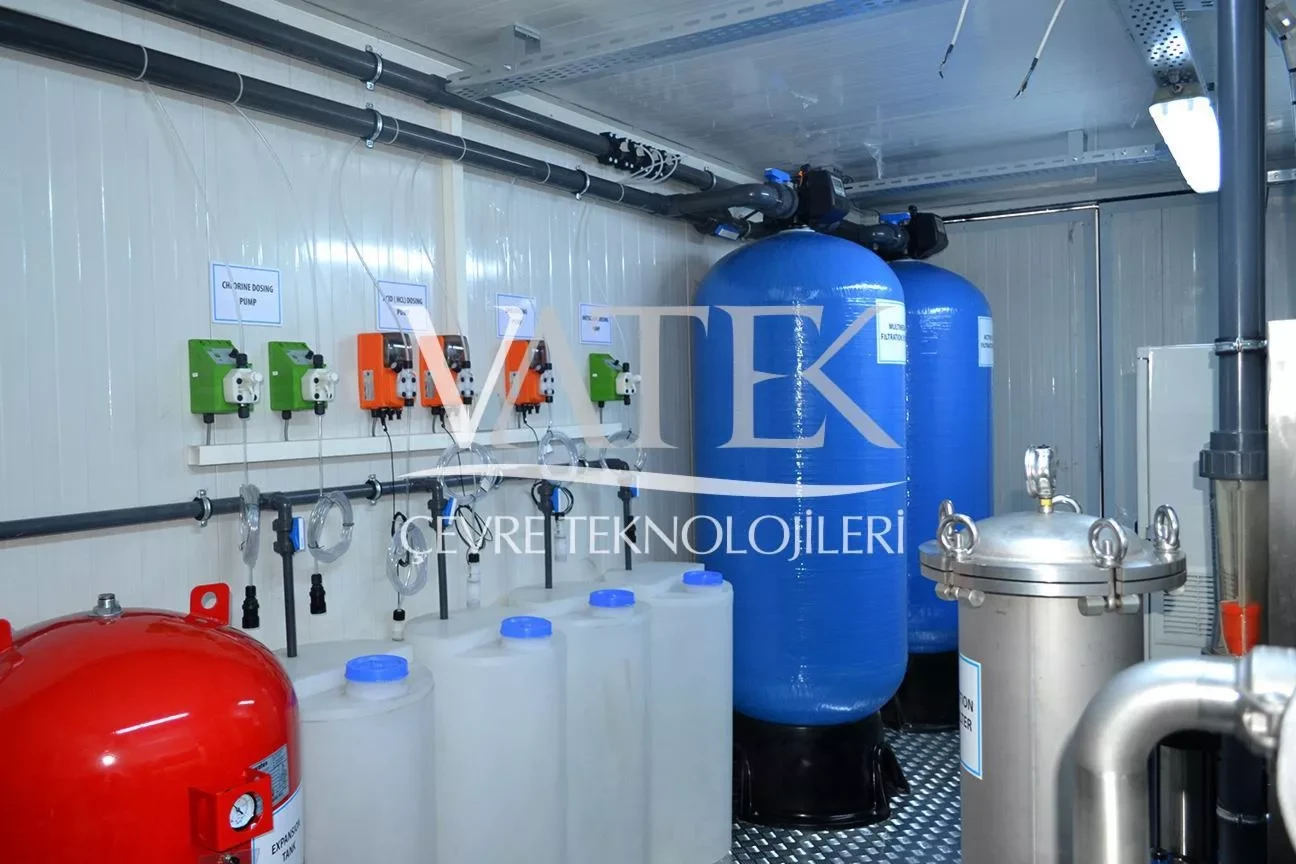
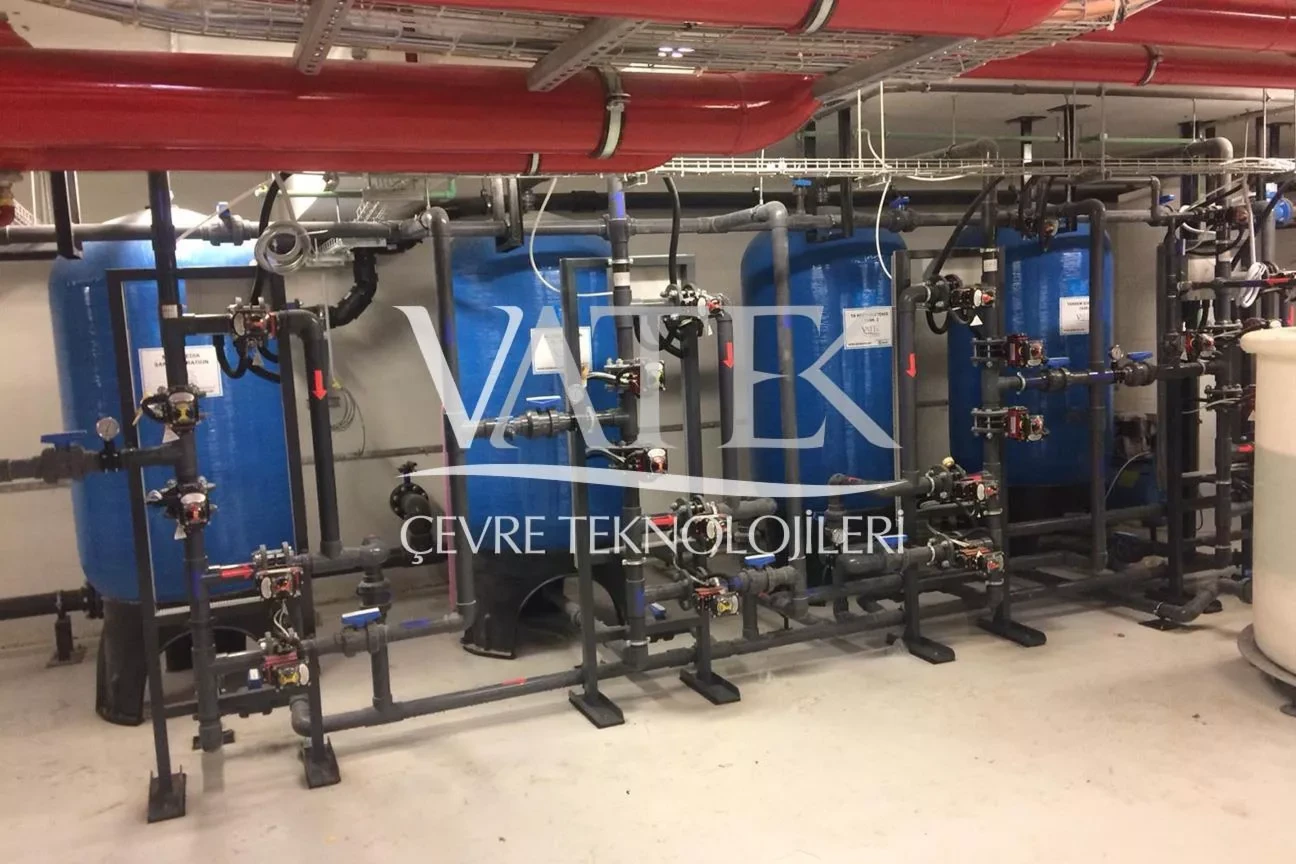
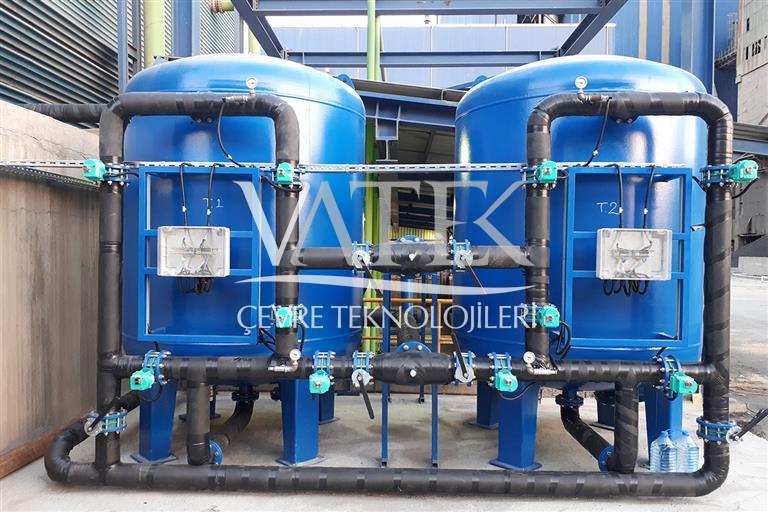
Solids and suspended particles in water are effectively removed using filtration systems such as multimedia filters, separator filters, or bag filters. This pretreatment stage improves the visual quality of the water while helping to protect subsequent treatment stages and the building’s plumbing system.
For More Technical Information +90(216) 526 0426
Water quality in communal living areas
Filtration and Hardness Control
Particle and sediment removal
Solids and suspended particles in water are effectively removed using filtration systems such as multimedia filters, separator filters, or bag filters.
Plumbing system protection
This pretreatment stage improves the visual quality of the water while helping to protect subsequent treatment stages and the building’s plumbing system.
Our Approach
Site Specific Engineering
Our Priority
Proper Project Design
Maintaining stable water quality in communal facilities
Scale Prevention and Water Softening Systems
Another vital step for plumbing systems is removing hardness from the water through water softening. Our water softening systems provide water that is completely free from hardness, allowing building plumbing and heating/cooling systems to operate for many years without deformation or damage.
The benefits of soft water are experienced not only in plumbing systems but also directly in everyday life:
- White scale stains and deposits on sinks, bathroom fixtures, and shower faucets are largely prevented.
- The risk of scale-related failures in household appliances such as washing machines and dishwashers is reduced, extending their service life.
- Washed textile products, including clothes and towels, become softer, retain their colors more effectively, and last longer.
- Preventing scale formation enables a significant reduction in the amount of detergents and chemicals used for washing and cleaning.
Greywater systems
Disinfection and Water Reuse Systems
UV disinfection
Ultraviolet (UV) disinfection is one of the most widely preferred methods for maintaining hygiene in communal living facilities. These advanced systems eliminate potential bacteria and viruses in the water without adding any chemicals, making the water microbiologically safe.
In recent years, the use of greywater (wastewater) and rainwater treatment systems has become increasingly widespread in housing complexes, nursing homes, dormitories, and military facilities with high water consumption. These environmentally friendly and economical systems can provide significant cost advantages and returns within a relatively short period of one to two years.
In greywater treatment systems, all greywater generated by bathrooms and kitchens, excluding toilet wastewater, can be treated and reused for different purposes such as garden irrigation, vehicle washing, or toilet cistern supply.
Hygiene levels are important
Pool Chemical Dosing Systems
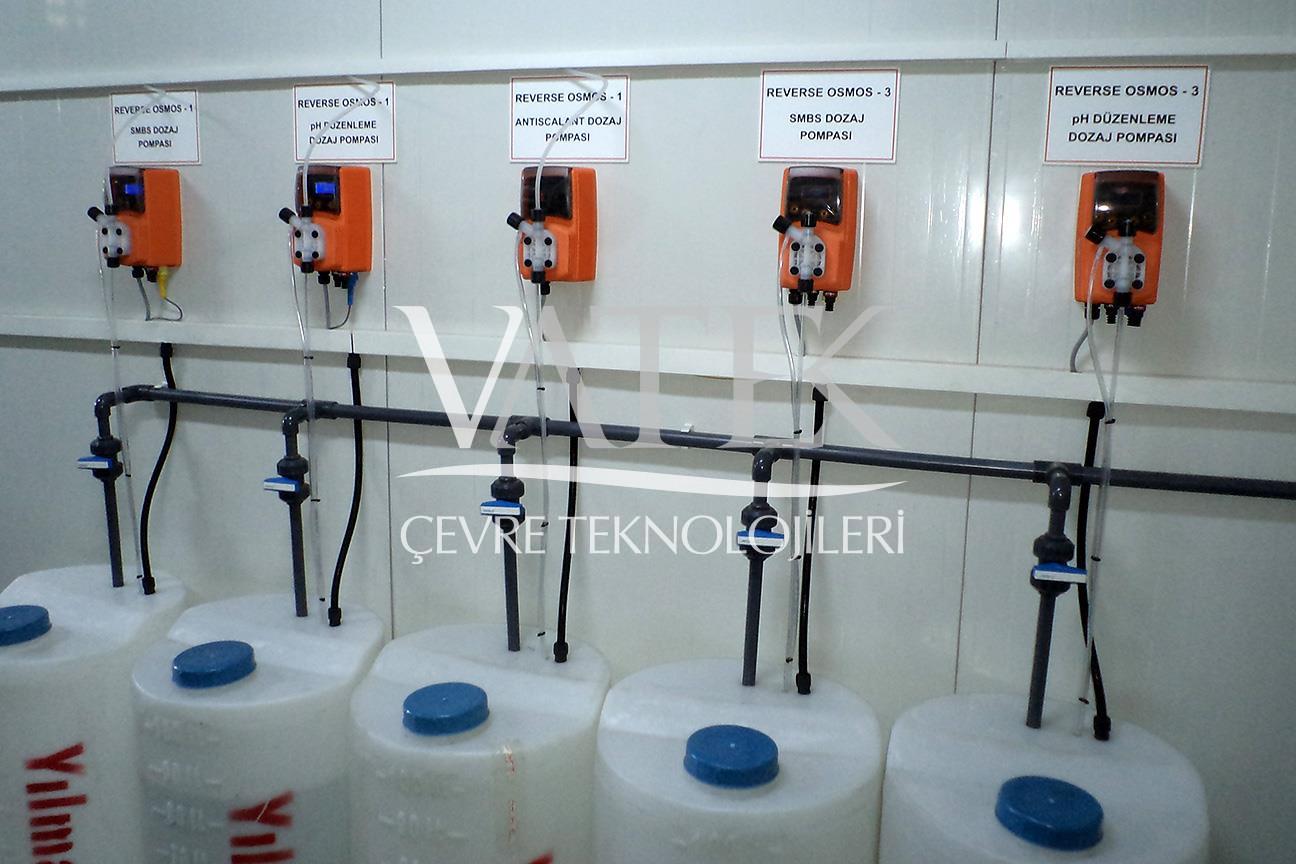
In facilities with swimming pools, the quality and hygiene level of the pool water are particularly important. With our fully automatic dosing systems, an essential component of swimming pools, the chlorine and pH levels that play a critical role in pool water hygiene are continuously monitored. Automatic dosing keeps these values consistently within the required ranges.
This protects user health while enabling more efficient use of pool chemicals.
For More Technical Information +90 (216) 526 0426
Frequently Asked Questions
Filtration, scale prevention, UV disinfection, and automatic dosing solutions support the safe and sustainable use of water in communal facilities.
CALL NOW
1. What Is the Return on Investment (ROI) Period for Water Softening Systems?
Water softening systems can recover their initial investment costs within a relatively short period. The use of soft water extends the service life of plumbing systems and equipment while reducing costly scale-related failures and the need for scale removal. The resulting reductions in detergent, soap, and energy consumption also lower operating expenses, generally allowing the system to become profitable within 1.5 to 3 years.
2. Where Can Greywater Treatment Systems Be Used, and How Much Water Can They Save?
Greywater treatment systems treat wastewater from bathrooms, washbasins, and showers, excluding toilet wastewater, making it suitable for reuse. This treated water can be used in toilet cisterns, landscape and garden irrigation, floor cleaning, and vehicle washing. This enables substantial water savings, particularly in facilities with high water consumption, such as housing complexes and dormitories.
3. Are Ultraviolet (UV) Disinfection Systems Chemically Safe?
Yes. Ultraviolet (UV) disinfection systems disinfect water using a completely physical method without adding any chemicals. UV rays do not alter the taste, odor, or chemical composition of the water. They damage the DNA structures of bacteria and viruses, preventing them from multiplying and making the water microbiologically safe.