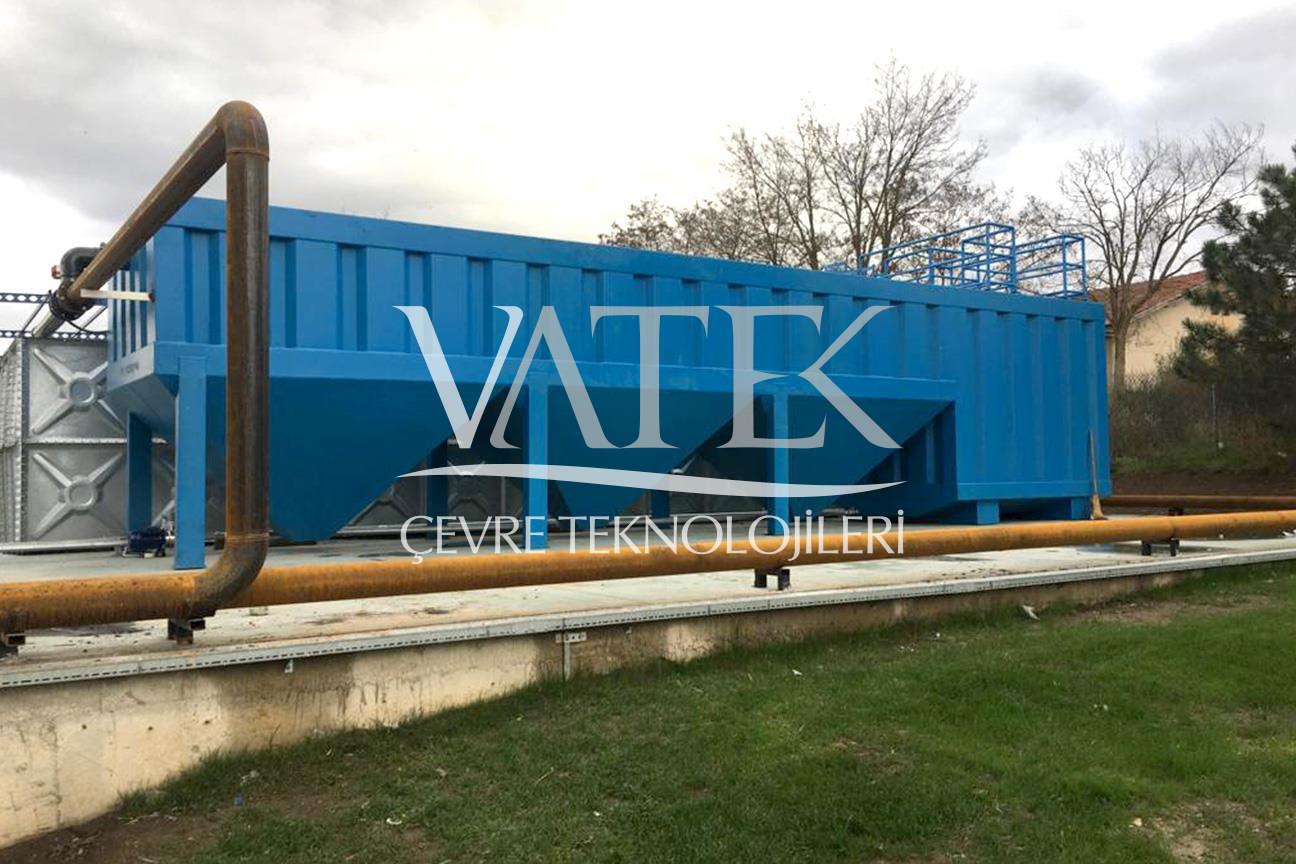
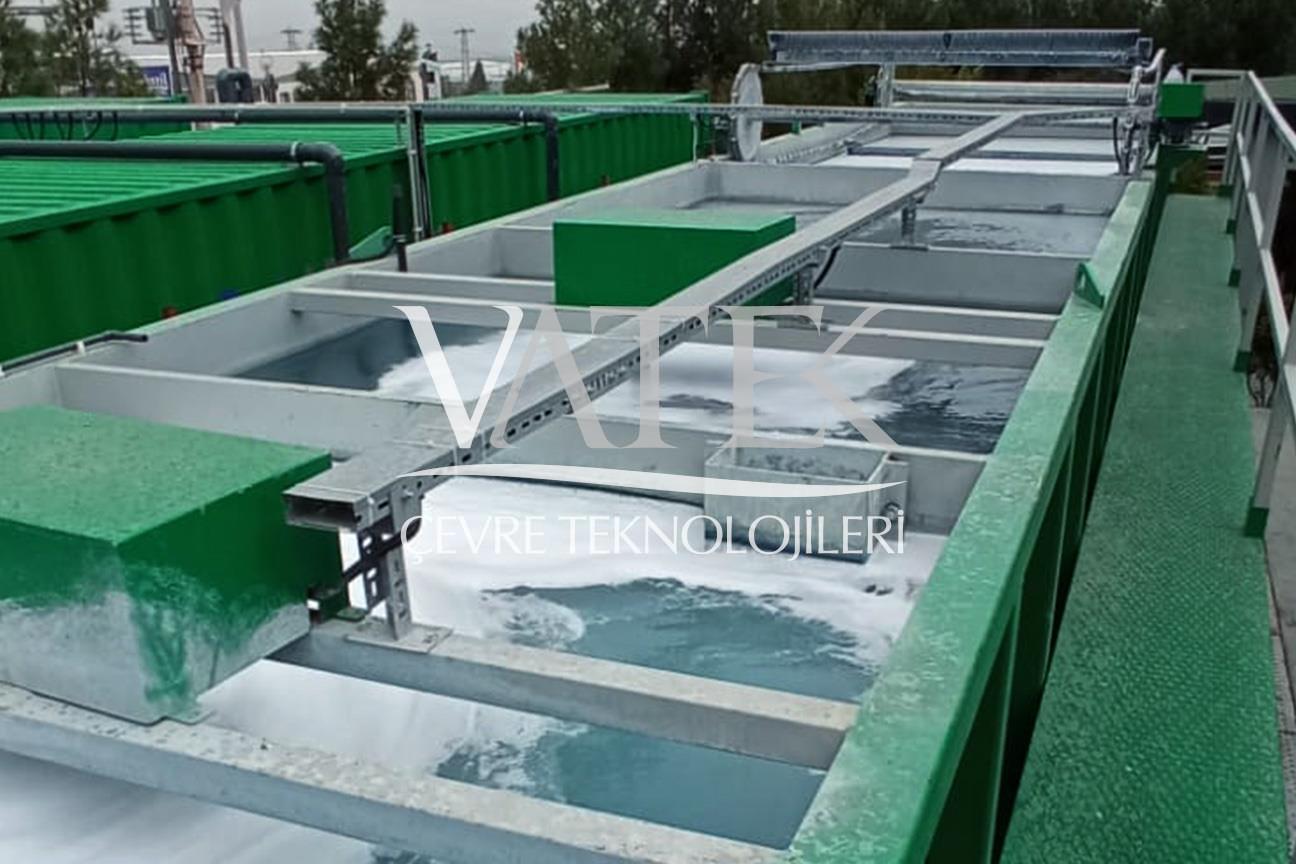
Waste Water Recycling System
- What Is It and Why Is It Necessary?
Today, environmental pressures such as climate change and global warming are placing increasing strain on natural resources. At Vatek, we see this most clearly in water: source quality is declining in some regions, while the cost of access is rising rapidly in others. Simply treating and discharging wastewater is no longer sufficient for many facilities. Correct wastewater recovery offers major benefits for both sustainability and operational continuity because recovery systems directly protect water resources by making water reusable instead of discharging it.
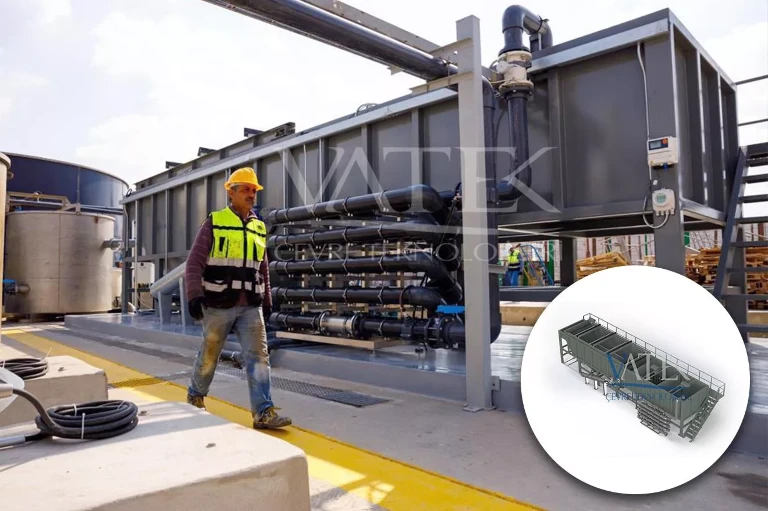
Wastewater recovery systems are engineering solutions that reduce water consumption and establish sustainable water management by enabling treated wastewater to be reused.
We are proud that our textile wastewater recovery systems achieve up to 90% efficiency and help the companies we serve reach the “Excellent” level in the Care for Water ranking.
90%
EFFICIENCY
Water, the fundamental source of life, is increasingly at risk. Therefore, wastewater must not only be treated but also made reusable. Wastewater reycling systems reduce freshwater demand, protect water resources, and make water management more predictable for many facilities.
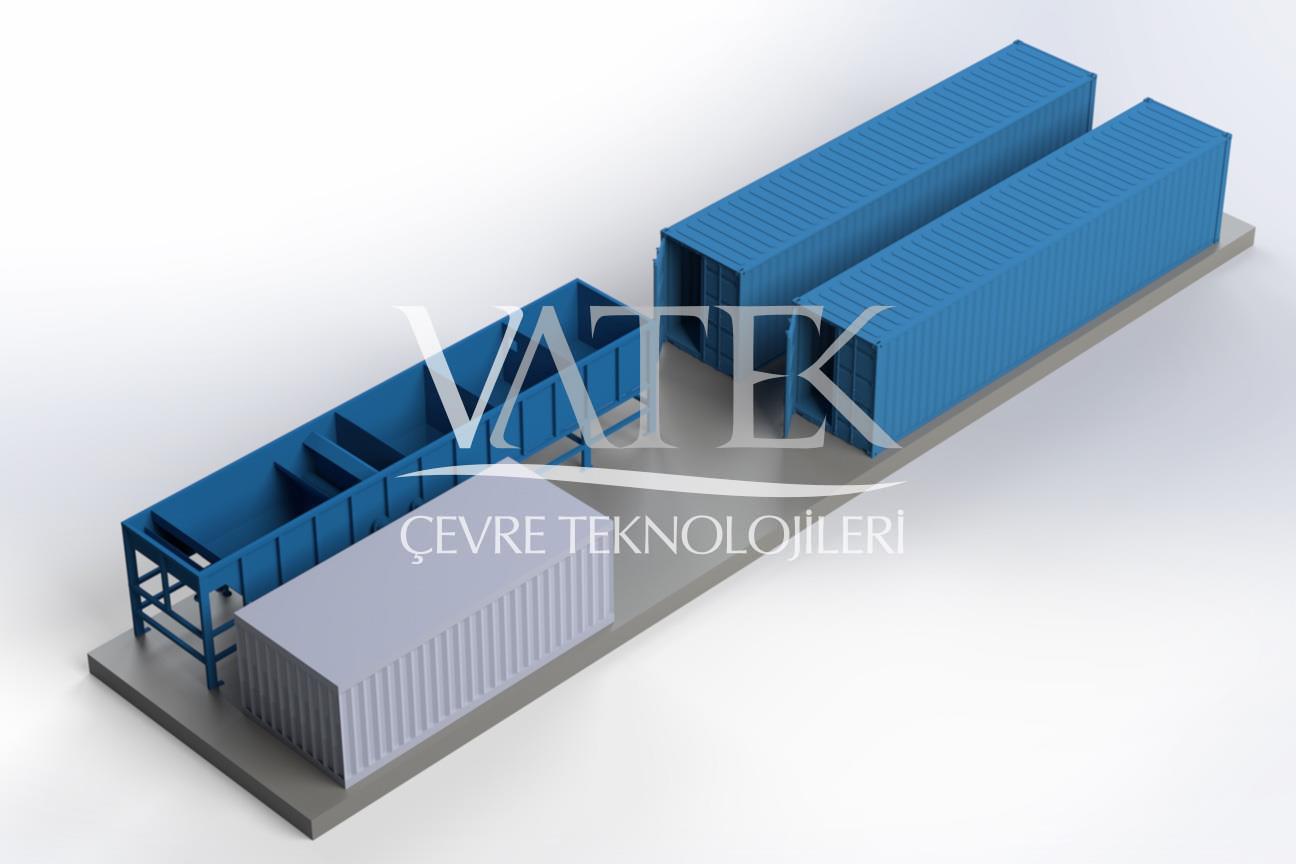
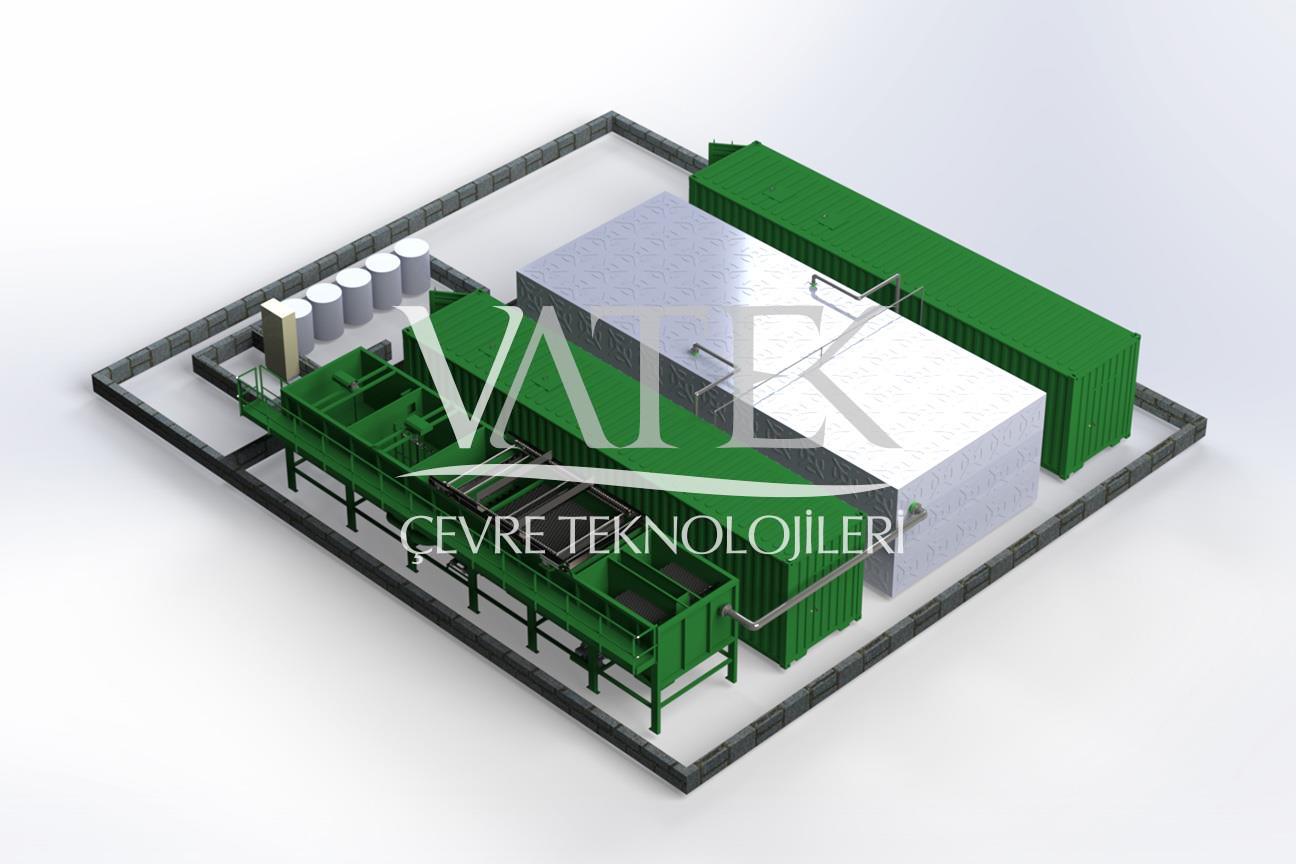
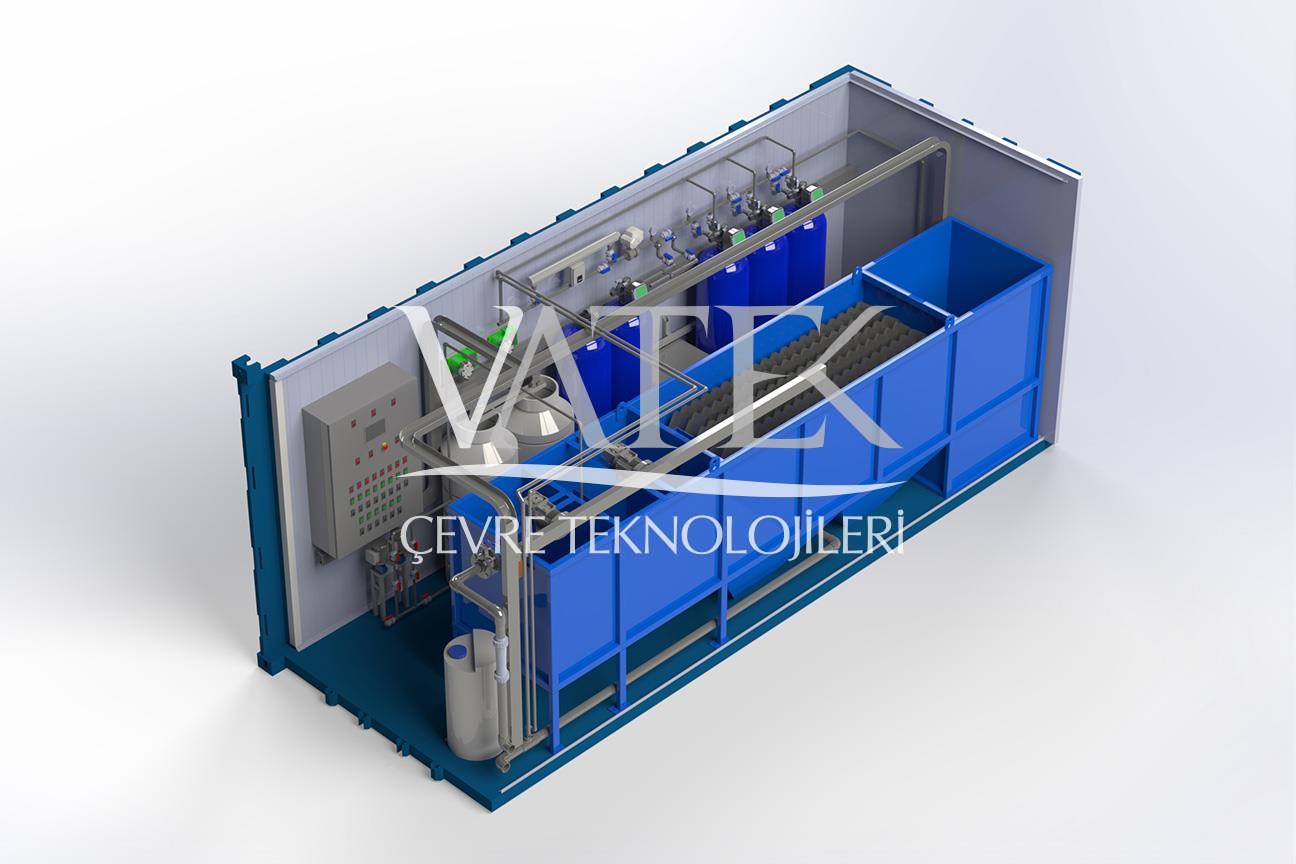
There is no single solution suitable for every facility. Wastewater recovery systems require different designs depending on the water characteristics and intended use. Utility water quality may be sufficient in some sectors, while other processes require much higher purity and stability. This directly affects process selection and the operating approach. Therefore, each custom designed system targets maximum recovery efficiency.
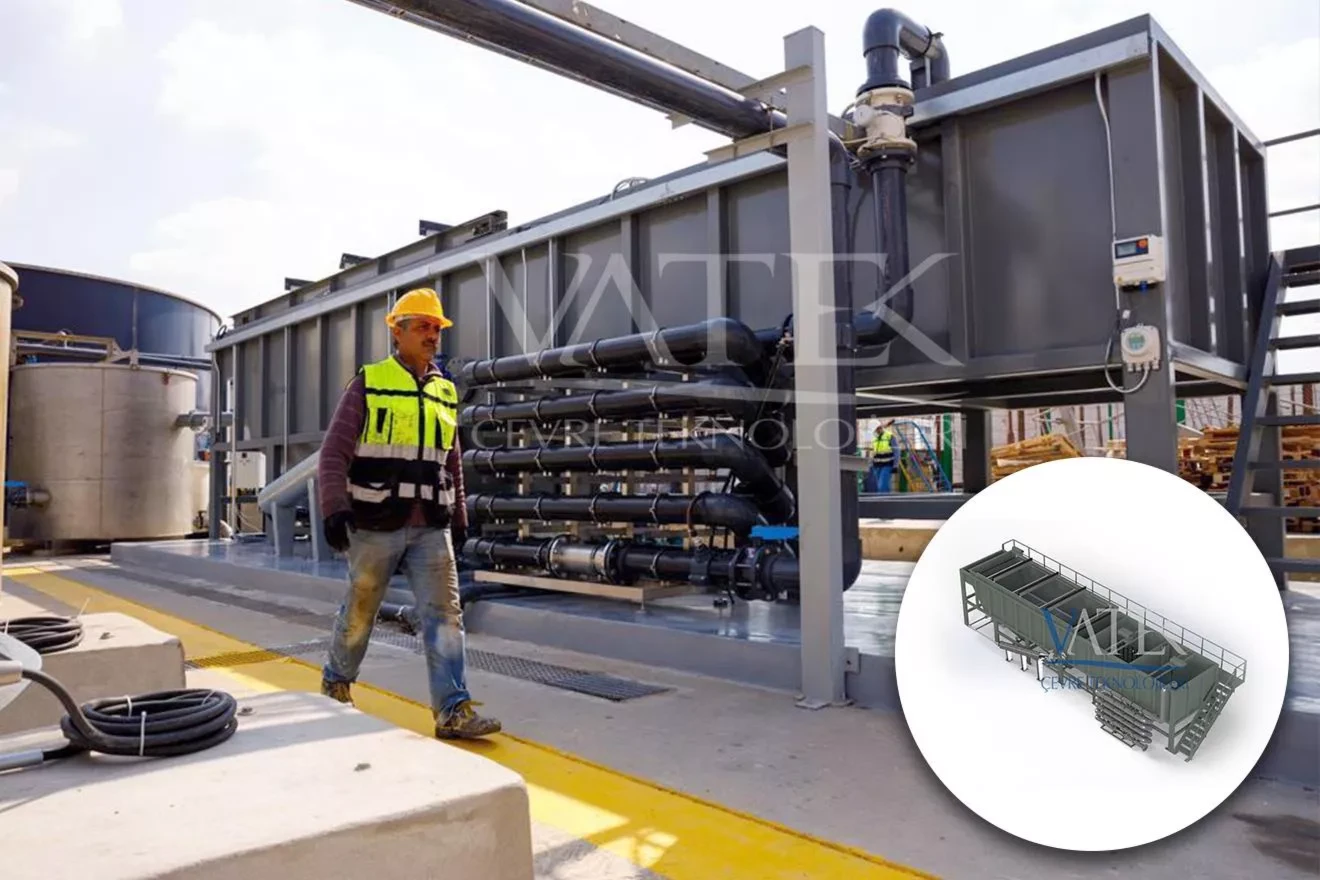
Design
Wastewater quality is the determining factor in system design. Instead of applying the same formula to every source, selecting treatment methods according to water analysis, facility operation, and intended use enables the most effective reuse. At Vatek Water Treatment Systems, we give this particular importance during project engineering because correct design makes operation after commissioning far more stable and manageable.
How Is the Cost of Wastewater Recovery Systems Evaluated?
Considering only one cost item is often misleading. The issue is not merely the installation price; the total cost of water, discharge obligations, and production continuity must be evaluated together. Some facilities recover water to reduce direct consumption, while others primarily aim to reduce water-related risks, stabilize operations, and improve water management. Figures vary by project, but once the correct target and process are established, the benefits are usually felt quickly on site.
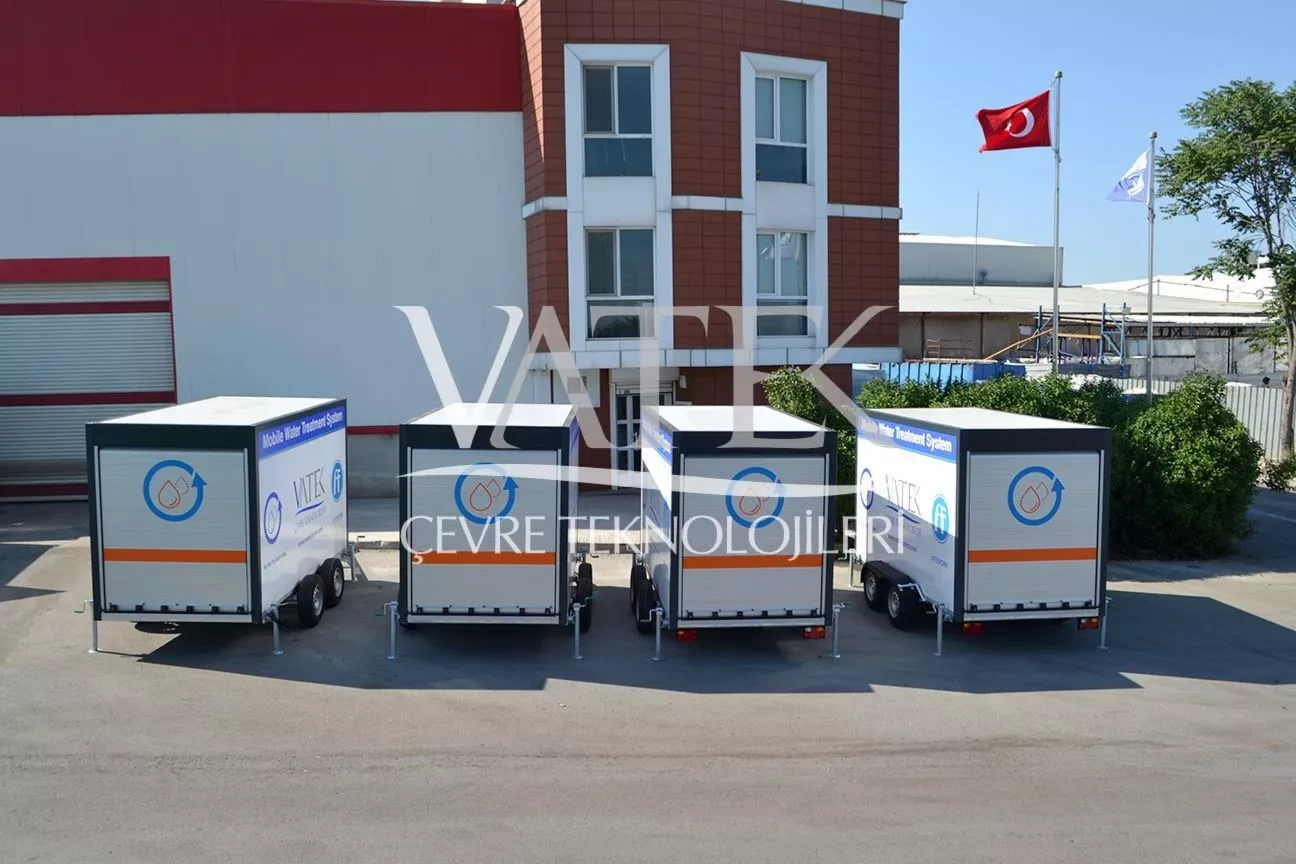
Perform Required Maintenance on Time
Data on Global Water Scarcity (WHO & UNICEF)
According to WHO/UNICEF JMP, as of 2022, 2.2 billion people worldwide lacked access to safely managed drinking water; 115 million of them used surface water directly.
According to UNICEF, 739 million children face high or very high water scarcity, while 436 million live in areas of severe water vulnerability.
Sources: WHO/UNICEF Joint Monitoring Programme (JMP), Progress on Household Drinking Water, Sanitation and Hygiene… (2023 update).
UNICEF, Annual Report 2023 and/or The Climate Changed Child (water scarcity indicators).
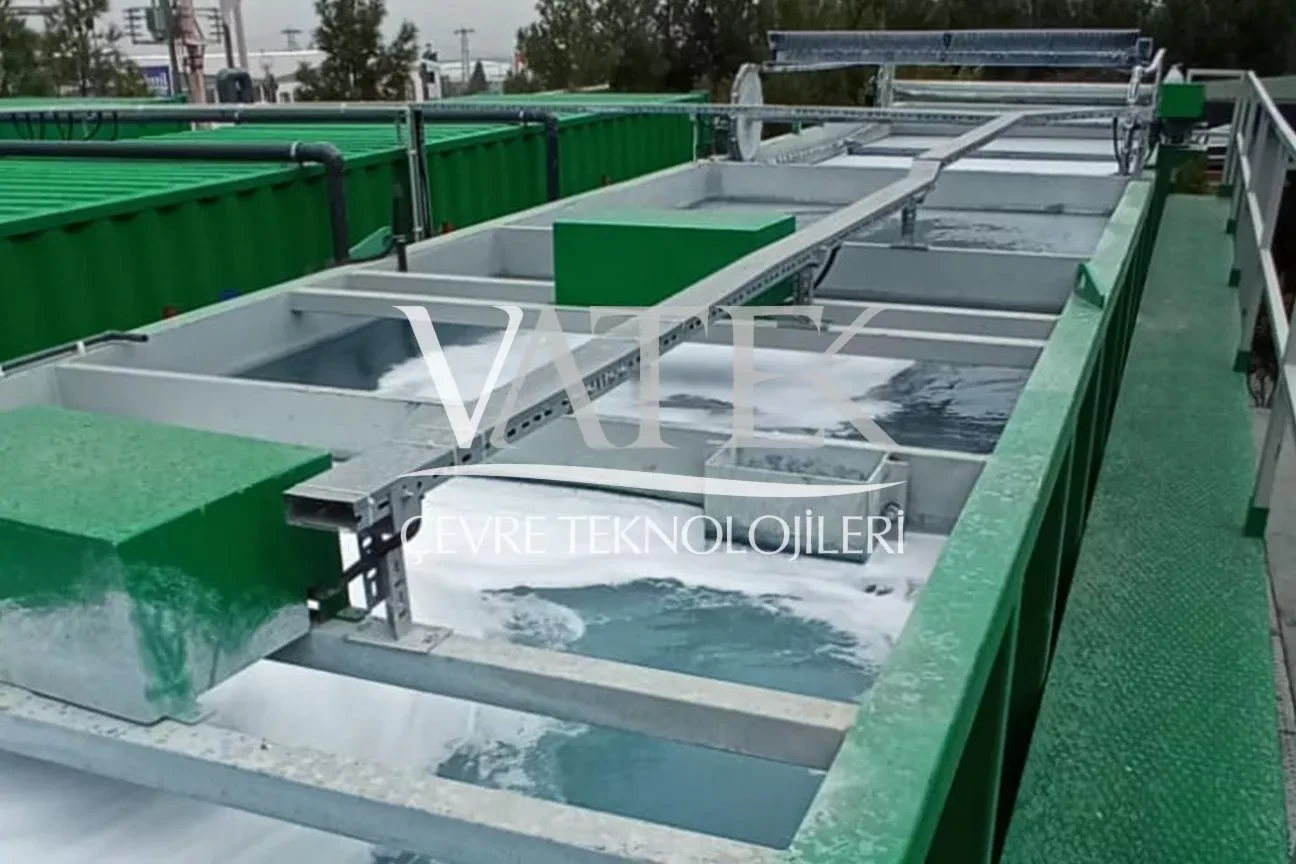
Wastewater Recovery Systems
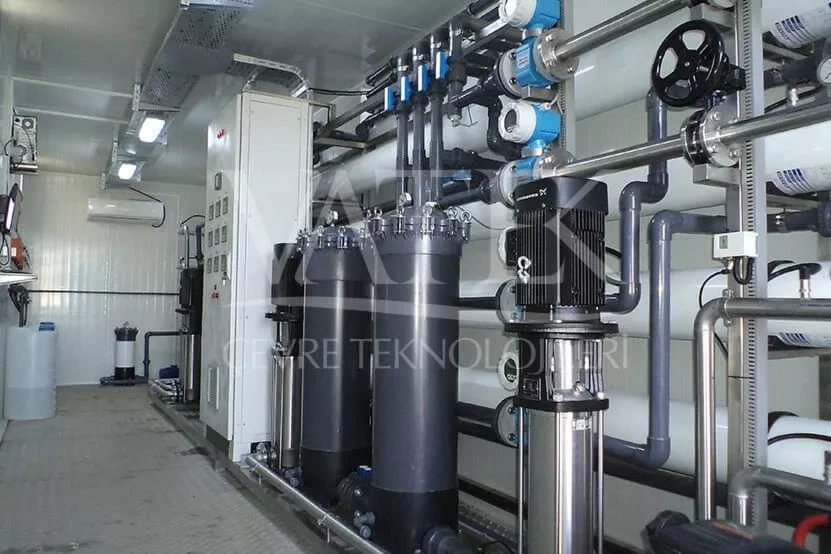
The main wastewater recovery methods include chemical, physical, and biological treatment. Supporting them with different technologies can create a more efficient and stable system. A practical approach is to remove the main pollutant load first and then apply fine treatment stages according to the target quality. This improves both process stability and operational control.
The following systems play important roles in wastewater recovery by providing industry-specific solutions:
MBBR (Moving Bed Biofilm Reactor): A practical, field-proven solution that reduces organic load using microorganisms growing on biofilm carriers.
MBR (Membrane Bio-Reactor): Combines biological treatment with membrane filtration, helping achieve lower turbidity and more stable outlet water.
UF (Ultrafiltration): Frequently used to retain suspended solids and fine particles; it can be considered a polishing stage before advanced treatment.
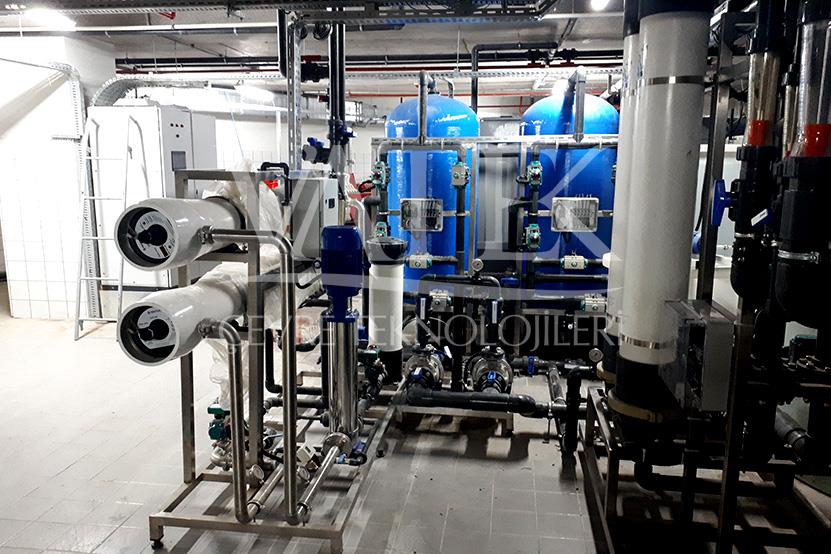
RO (Reverse Osmosis): A powerful membrane process for reducing dissolved salts and many dissolved contaminants; it becomes more critical as target water quality increases.
Nanofiltration: Provides a different balance from RO for selective retention of certain dissolved substances and may be selected according to application needs.
In some cases, treated water may be sufficient for general uses such as garden irrigation. Where advanced treatment is needed, process reuse becomes possible. Recovering process water in industrial facilities reduces consumption and may also provide indirect energy benefits, depending entirely on the process and recovery scenario.
Wastewater recovery systems not only treat water to prevent environmental harm but also enable more efficient resource use. They are practical solutions in the fight against water scarcity investments made today that provide resilience tomorrow. Our engineering approach at Vatek is built on accurate analysis, correct process design, and sustainable operation after commissioning.
Real Scenarios: How Are Savings Achieved?
1) Textile Factory – Daily Consumption of 1,000 m³
- Recovery: 50%–90%
- Reuse: Dyehouse – washing
- Average daily savings: 600 m³
- Significant reduction in discharge costs
- ROI: 1.5–2 years
2) Resort Hotel with 500 Rooms
- Greywater source: Showers and washbasins
- Use: Landscape irrigation + toilet cisterns
- Additional water demand is almost eliminated during summer
- Marketing advantage through a “Green Hotel” certificate
Contact Us for Project Engineering
Wastewater recovery involves different dynamics for every facility. Once water characteristics, intended use, and operating conditions are clarified, the correct process design can be established more accurately. Contact us to evaluate these factors together during project engineering.

Frequently Asked Questions
Regardless of design quality, regular operational monitoring is the key to maintaining consistent long term performance.
CALL NOW