A Meaningful Journey from IFAT Munich to Classrooms in South Africa
A Meaningful Meeting That Began at IFAT Munich 2026
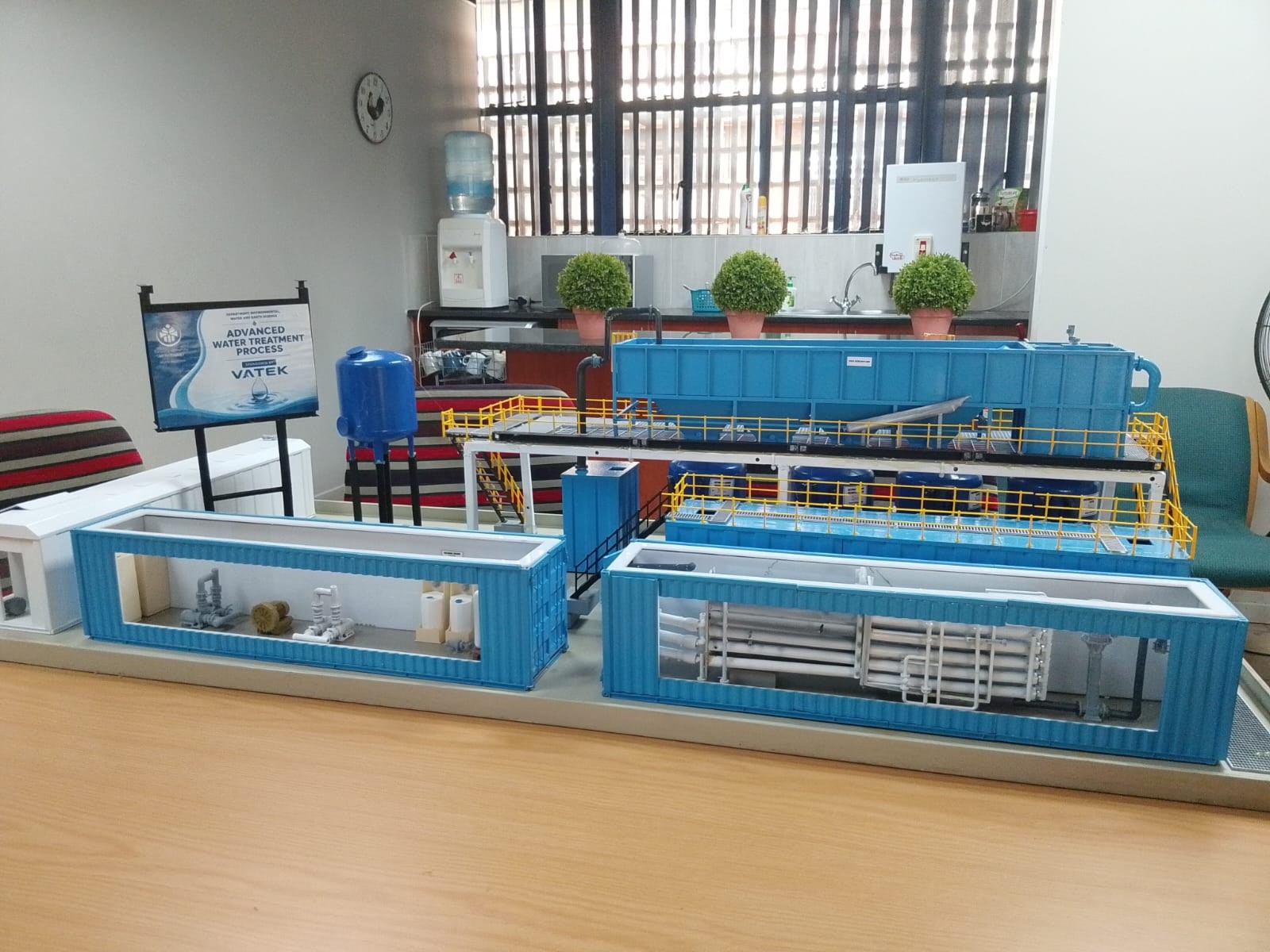
During IFAT Munich 2026, Lizzy Monyatsi, a lecturer at Tshwane University of Technology in South Africa, visited our stand and examined the wastewater treatment and water recovery models we displayed. Using the models, we explained our systems, treatment stages and operating principles, and shared technical information. During our meeting, we discussed how these models could help students understand water and wastewater treatment processes more clearly and practically.
Following our meeting, we presented the models to Lizzy Monyatsi at the exhibition venue for use in student education. In this way, this meaningful meeting at IFAT Munich 2026 turned into a practical knowledge sharing initiative that supports students’ engineering education.
Our Treatment System Models Are Being Used in Education
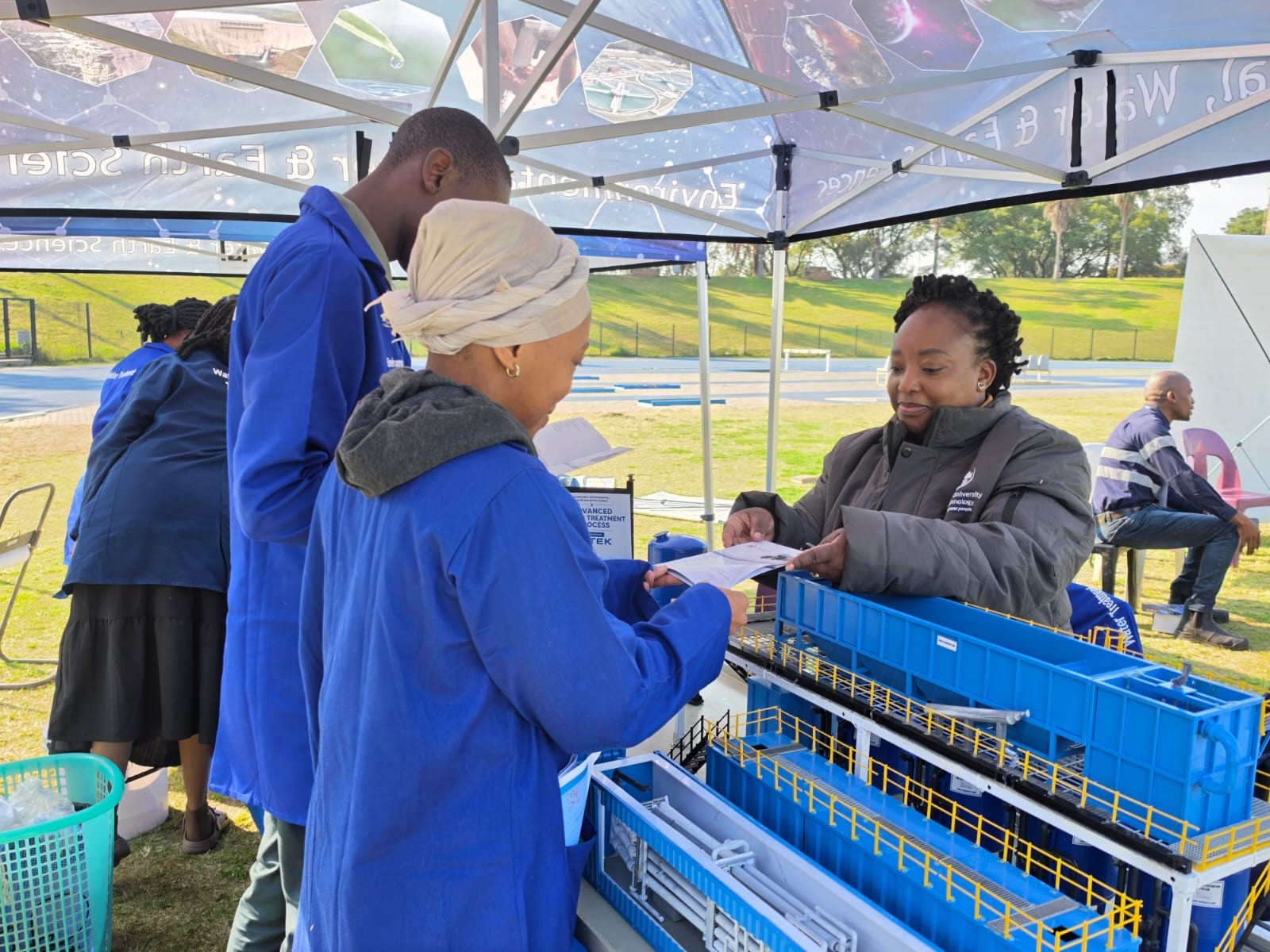
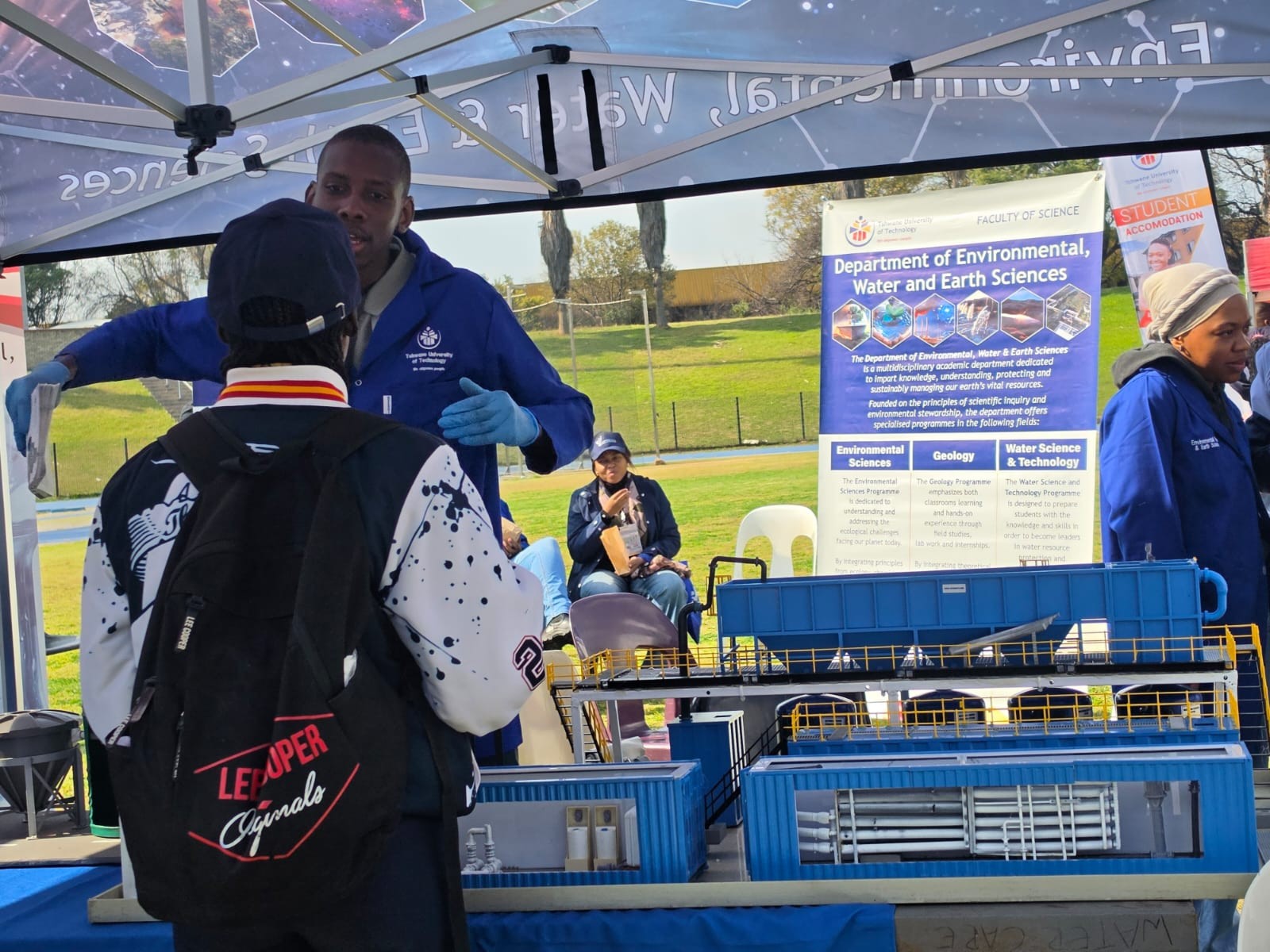
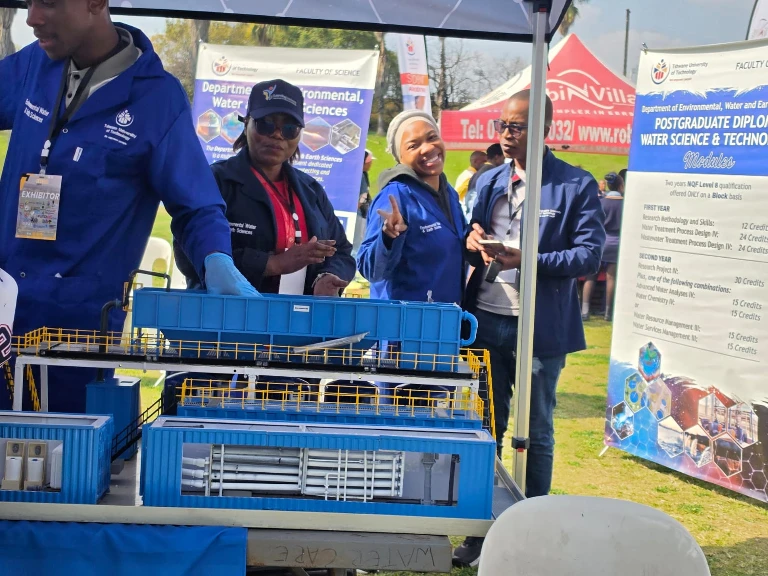
Thanks to the photographs shared with us by Lizzy Monyatsi, we were proud and delighted to see that our models are being actively used in classes at Tshwane University of Technology.
The water and wastewater treatment system models help explain process stages and system operating principles to students in a visual and practical way. Presenting technical information through physical models helps students understand the connections between treatment processes more easily and supports their theoretical knowledge with practical learning.
We Contribute to the Education of Future Engineers
We believe that knowledge grows when it is shared, and we consider contributing to the education of young engineers who will shape the future of water and environmental technologies to be a valuable responsibility.
We greatly value the connections we establish at international exhibitions developing beyond commercial partnerships into opportunities for sharing technical knowledge, experience and education. We believe this approach will help raise awareness of sustainable water management and strengthen the industry’s qualified workforce.
We would like to thank Lizzy Monyatsi and the Tshwane University of Technology team for sharing this meaningful development and these wonderful photographs with us. We wish the engineers of the future every success in their education.